Sports Nutrition: The Best Books to Fuel Training and Recovery
This curriculum starts at the intermediate level by first solidifying the core science of sports nutrition — macronutrients, timing, and energy systems — before moving into advanced, evidence-based strategies for endurance, strength, and body composition. Each stage builds the conceptual vocabulary and practical frameworks needed to fully absorb the next, culminating in cutting-edge research-level thinking about fueling performance and recovery.
Foundations & Frameworks
BeginnerEstablish a solid working model of how macronutrients (protein, carbs, fats) function as fuel, understand energy systems, and learn how to structure a performance diet — the vocabulary every later book assumes.
▸ Study plan for this stage
Pace: 4–5 weeks, ~25–30 pages/day (approximately 150–180 pages/week across both books)
- Energy systems (ATP-PC, glycolytic, and oxidative pathways) and how they fuel different types of athletic activity
- Macronutrient metabolism: how protein, carbohydrates, and fats are digested, absorbed, and utilized for energy and recovery
- Carbohydrate loading and periodization strategies for endurance and high-intensity sports
- Protein requirements for athletes: timing, quantity, and quality across different sports and training phases
- Fat's role in hormone production, energy substrate, and athletic performance (dispelling myths about low-fat diets)
- Hydration physiology and fluid replacement strategies during and after exercise
- Nutrient timing: pre-exercise, during-exercise, and post-exercise nutrition windows and their practical application
- Individual assessment: how to evaluate an athlete's current diet and identify gaps before implementing changes
- Explain the three energy systems and which type of sport or activity primarily relies on each one
- What are the recommended protein intake ranges for different athlete populations, and why does timing matter?
- How do carbohydrate needs change based on training intensity and duration, and what is the science behind carb-loading?
- Describe the roles of dietary fat in athletic performance and recovery, and why athletes need adequate fat intake
- What is the post-exercise recovery window, and what should an athlete consume in the first 2–4 hours after training?
- How do hydration needs vary by sport, climate, and individual sweat rate, and what are evidence-based fluid replacement guidelines?
- Calculate your own daily macronutrient needs based on your sport, body weight, and training phase using guidelines from both books
- Track your actual food intake for 3 days and compare it against your calculated needs; identify one macronutrient gap
- Design a pre-exercise, during-exercise, and post-exercise nutrition plan for a specific sport or training session (e.g., 90-minute soccer match, 2-hour cycling ride)
- Create a hydration strategy for an athlete in a specific climate and sport, including fluid type, volume, and timing
- Analyze a real athlete's current diet (yours or a case study) and write a 1-page assessment identifying strengths and 2–3 evidence-based changes
- Plan a 1-week meal structure for an athlete in a heavy training week vs. a light recovery week, showing how nutrient timing shifts
Next up: This stage equips you with the physiological vocabulary and evidence-based frameworks needed to evaluate sport-specific nutrition strategies, supplement efficacy, and periodized nutrition plans in the next stage.

A comprehensive, science-backed primer by one of the world's leading sports nutrition researchers. It covers energy metabolism, macronutrient roles, and hydration in a clear, structured way — the ideal starting point for an intermediate learner.

Bridges the gap between sports science and real-world eating. Read after Jeukendrup to translate metabolic theory into practical meal planning, timing strategies, and grocery-level decisions.
Protein & Muscle: The Strength Nutrition Layer
IntermediateMaster the science of protein synthesis, amino acid timing, leucine thresholds, and dietary strategies specifically designed to build and preserve muscle for strength athletes.
▸ Study plan for this stage
Pace: 4–5 weeks, ~40–50 pages/day. Start with "The Protein Book" (2 weeks, ~30 pages/day for foundational science), then "Bigger Leaner Stronger" (2–3 weeks, ~50 pages/day for applied protocols).
- Protein synthesis mechanisms: how muscle protein breakdown and synthesis respond to resistance training and amino acid availability
- Essential amino acids (EAAs) and leucine's role as a trigger for mTOR activation and muscle protein synthesis initiation
- Optimal daily protein intake for strength athletes (1.6–2.2g/kg bodyweight) and the diminishing returns above this range
- Amino acid timing and meal frequency: the evidence for pre/post-workout nutrition windows and practical meal spacing for muscle building
- Complete vs. incomplete proteins and amino acid profiles: how to construct meals that deliver all EAAs consistently
- Caloric surplus, protein distribution, and resistance training as the three pillars of muscle hypertrophy
- Individual variation in protein needs based on training age, age, genetics, and caloric intake
- Practical periodization of protein intake and nutrient timing aligned with training phases (bulking, maintenance, cutting)
- Explain the relationship between muscle protein synthesis, muscle protein breakdown, and net muscle protein balance. How do resistance training and amino acid intake shift this balance?
- Why is leucine considered the primary trigger for mTOR activation, and what is the practical significance of the 'leucine threshold' for meal timing?
- What is the evidence-based daily protein recommendation for strength athletes, and why do recommendations vary by source? At what point does additional protein provide diminishing returns?
- Design a daily protein distribution strategy for a 180-lb strength athlete. How would you space protein intake across meals, and why?
- Compare the amino acid profiles of complete proteins (e.g., animal sources) vs. incomplete proteins (e.g., plant sources). How would you construct a plant-based meal to deliver all EAAs?
- How do caloric surplus, protein intake, and resistance training interact to drive muscle hypertrophy? What happens if one of these three is suboptimal?
- Calculate your personal daily protein target using the 1.6–2.2g/kg guideline from 'The Protein Book.' Then audit your current intake for 3 days and identify gaps.
- Map out a complete day of eating (5–6 meals) that meets your protein target with even distribution across meals. Ensure each meal contains at least 25–40g of protein and a complete EAA profile.
- Create a pre- and post-workout nutrition plan based on 'Bigger Leaner Stronger' protocols. Include meal timing, macronutrient targets, and rationale for your choices.
- Analyze the amino acid profile of three protein sources you regularly consume (using USDA or nutrition software). Identify which EAAs are limiting in each and propose complementary foods.
- Design a 12-week periodized nutrition plan for a strength-building phase using 'Bigger Leaner Stronger' principles. Include protein targets, caloric surplus, and meal timing adjustments.
- Conduct a case study: take a hypothetical 200-lb athlete with a 2,500 kcal maintenance and design a hypertrophy-focused nutrition protocol. Justify protein intake, meal frequency, and timing decisions using evidence from both books.
Next up: This stage establishes the biochemical foundation and practical protocols for muscle building, preparing you to explore how micronutrients, supplementation, and advanced periodization strategies optimize strength and body composition outcomes in the next stage.

The most thorough evidence-based deep-dive into protein for athletes in print. Covers dose, timing, source quality, and muscle protein synthesis in rigorous detail — essential before tackling advanced body composition work.
Translates protein and caloric science into a structured strength-training diet system. Read after McDonald to see how the science is applied in a practical, periodized program.
Carbohydrates, Endurance & Energy Systems
IntermediateUnderstand carbohydrate periodization, glycogen dynamics, fat adaptation, and fueling strategies for endurance sports — from training rides to race-day nutrition.
▸ Study plan for this stage
Pace: 4–5 weeks, ~25–30 pages/day. Start with "The Endurance Diet" (weeks 1–2.5), then move to "Racing Weight" (weeks 2.5–5). Allow 2–3 days per book for review and integration.
- Carbohydrate periodization: matching carb intake to training load and phase (base, build, peak, recovery)
- Glycogen dynamics: how muscles store, deplete, and replenish glycogen; the role of training status and carb timing
- Fat adaptation and metabolic flexibility: training the body to efficiently oxidize fat while preserving glycogen for hard efforts
- Fueling strategies for endurance: pre-exercise, during-exercise, and post-exercise nutrition protocols for training and racing
- Energy systems and substrate utilization: understanding aerobic metabolism, lactate threshold, and fuel selection at different intensities
- Race-day nutrition: practical application of carb loading, hydration, and in-race fueling for events lasting 2+ hours
- Body composition and performance: the relationship between weight, power-to-weight ratio, and endurance capacity
- Individual variability: how genetics, training history, and gut tolerance shape personalized nutrition strategies
- What is carbohydrate periodization, and how does it differ from eating the same amount of carbs every day?
- Explain the concept of glycogen depletion and supercompensation. How does this inform your training nutrition strategy?
- What is fat adaptation, and why might training in a fasted or low-carb state be useful for some endurance athletes—and when is it counterproductive?
- Describe a complete race-day fueling plan for a 3-hour endurance event, including pre-race, during-race, and post-race nutrition.
- How do you determine your optimal carbohydrate intake during exercise, and what factors affect your ability to absorb and utilize it?
- What is the relationship between body composition, power-to-weight ratio, and endurance performance, and how should this influence your nutrition approach?
- Track your current carbohydrate intake for one week (using a food app or log). Calculate your daily carbs per kg of body weight and compare it to Fitzgerald's recommendations for your training phase.
- Plan a 4-week carbohydrate periodization cycle for your own training: assign carb targets (low, moderate, high) to each week based on training volume and intensity, then execute and log results.
- Conduct a 2–3 week fat adaptation trial: perform 2–3 easy endurance sessions per week in a fasted state or with minimal carbs, while keeping hard sessions well-fueled. Track energy levels, performance, and recovery.
- Design and test a race-day fueling strategy for a goal event: calculate total carb needs, choose specific products, practice the plan during a long training session, and adjust based on gut tolerance and performance.
- Perform a glycogen depletion and supercompensation experiment: do a hard training session that depletes glycogen, then measure your recovery and performance in the following days with high carb intake versus normal intake.
- Analyze your power-to-weight ratio and body composition using data from your training (power meter, scale, or body fat measurement). Set a realistic target and create a nutrition plan to support it without compromising performance.
Next up: This stage establishes the metabolic and nutritional foundation for endurance performance; the next stage will likely build on these principles to address sport-specific fueling, micronutrient optimization, and advanced periodization for multi-sport or ultra-endurance contexts.

Examines how elite endurance athletes across disciplines actually eat, distilling common principles around carbohydrate quality and diet quality scoring. A perfect bridge from general nutrition into endurance-specific fueling.

Focuses on achieving optimal race weight without sacrificing performance — covering carb periodization, macronutrient ratios, and training-phase nutrition. Read after The Endurance Diet to add the body-composition dimension.
Recovery, Adaptation & Nutrient Timing
IntermediateUnderstand the science of post-exercise recovery nutrition — glycogen resynthesis, muscle repair windows, sleep nutrition, and how to structure eating around training blocks for maximal adaptation.
▸ Study plan for this stage
Pace: 4–5 weeks, ~25–30 pages/day, with 2–3 days per week dedicated to practical application and reflection
- The anabolic window: timing of nutrient intake relative to exercise and its impact on muscle protein synthesis and glycogen resynthesis
- Glycogen depletion and repletion mechanisms—how carbohydrate timing accelerates recovery between training sessions
- Muscle protein breakdown and synthesis windows—the role of amino acids and protein timing post-exercise
- The synergistic effect of carbohydrates and protein in the post-exercise period for maximizing adaptation
- Nutrient timing strategies across different training modalities (strength, endurance, mixed)
- Sleep nutrition and recovery—how evening nutrition supports hormonal recovery and adaptation
- Periodization of nutrient timing across training blocks and macrocycle planning for cumulative adaptation
- What is the anabolic window, and how does nutrient timing within this window enhance muscle protein synthesis compared to delayed feeding?
- Explain the mechanisms of glycogen depletion during exercise and the optimal carbohydrate intake strategy to maximize resynthesis in the 0–4 hour post-exercise window.
- How do carbohydrates and protein interact synergistically in post-exercise nutrition, and why is this combination more effective than either macronutrient alone?
- What are the evidence-based nutrient timing recommendations for different training types (e.g., endurance vs. strength), and how do they differ?
- How should nutrient timing be adjusted across a training block or macrocycle to support progressive adaptation and avoid overtraining?
- What role does sleep nutrition play in recovery, and how should evening meals be structured to optimize hormonal recovery and next-day performance?
- Create a post-exercise nutrition protocol for three different scenarios: a 60-minute strength session, a 90-minute endurance workout, and a mixed training day. Specify timing, macronutrient ratios, and food choices based on Ivy's recommendations.
- Track your own glycogen depletion and repletion over a 3-day training cycle. Log exercise intensity/duration, post-workout nutrition, and subjective recovery metrics (energy, soreness, sleep quality) to observe real-world patterns.
- Design a 4-week periodized nutrition plan that adjusts nutrient timing and macronutrient distribution across different training phases (build, peak, taper, recovery).
- Conduct a self-experiment: consume post-exercise nutrition at two different times (immediately vs. 2 hours post-exercise) on separate training days and compare recovery markers (soreness, strength return, appetite, sleep quality).
- Analyze a typical day's eating schedule and identify gaps in nutrient timing relative to your training. Propose specific meal timing adjustments and predict how they would improve recovery.
- Create an evidence-based sleep nutrition protocol—specify what, when, and how much to eat in the 1–3 hours before bed to support hormonal recovery without disrupting sleep.
Next up: This stage establishes the foundational science of how and when to fuel recovery; the next stage will build on this by exploring how to integrate nutrient timing into comprehensive periodized nutrition plans and address individual variability, special populations, and advanced optimization strategies.
The foundational text on the anabolic window and nutrient timing science. Establishes the research basis for pre-, intra-, and post-workout nutrition that all advanced protocols reference.
Advanced Performance Nutrition & Periodization
ExpertSynthesize everything into sophisticated, periodized nutrition plans — integrating carbohydrate periodization, body composition manipulation, supplementation evidence, and individualized fueling for both endurance and strength goals.
▸ Study plan for this stage
Pace: 8–10 weeks, ~40–50 pages/day (with 2–3 days/week for synthesis work)
- Periodized nutrition planning aligned with training phases (macrocycle, mesocycle, microcycle) and competition calendars
- Carbohydrate periodization strategies: timing, quantity, and availability manipulation for different training intensities and goals
- Body composition management through energy balance, macronutrient timing, and nutrient density without compromising performance
- Evidence-based supplementation protocols: identifying effective vs. ineffective supplements and integrating them into periodized plans
- Individualized fueling strategies for endurance events: pre-event, during-event, and recovery nutrition based on duration and intensity
- Strength and power athlete nutrition: protein timing, creatine, beta-alanine, and other ergogenic aids with practical application
- Integration of multiple nutrition strategies into cohesive, sport-specific periodized plans that adapt to training blocks and competition demands
- How do you structure a periodized nutrition plan that aligns with a 12-month training macrocycle, and what nutritional priorities shift between base, build, and competition phases?
- What is carbohydrate periodization, and how do you manipulate carbohydrate availability and timing to enhance adaptation in different training blocks?
- How would you design a body composition intervention for an athlete without compromising performance, and what role does macronutrient timing play?
- Which supplements have strong evidence for performance enhancement in your sport, and how do you integrate them into a periodized nutrition plan?
- How do you create individualized fueling protocols for endurance events lasting 60+ minutes, accounting for gut capacity, fuel availability, and performance goals?
- What are the key nutritional differences between strength/power athletes and endurance athletes, and how do you periodize protein and carbohydrate intake accordingly?
- Build a complete 12-month periodized nutrition plan for a specific athlete (real or fictional) in your sport, breaking it into macrocycles, mesocycles, and microcycles with explicit nutritional targets for each phase
- Design a carbohydrate periodization strategy for a 16-week training block: specify high-, moderate-, and low-carbohydrate days, timing around key workouts, and the physiological rationale for each
- Create a body composition intervention plan for an athlete with a 12-week timeline: set realistic targets, design energy deficit/surplus phases, specify macronutrient ratios, and explain how performance will be monitored
- Conduct a supplement audit for your sport: identify 5–8 commonly used supplements, evaluate the evidence for each using Burke's framework, and create a decision matrix for which to recommend and when
- Develop a race-day fueling protocol for an endurance event (e.g., marathon, 70.3 triathlon, cycling race): specify pre-event meal timing, during-event carbohydrate/fluid strategy, and post-event recovery nutrition
- Write a case study: take a real athlete with a specific performance goal and constraint (e.g., weight loss while maintaining power, managing GI issues during long events), and develop a periodized nutrition plan that addresses it
Next up: This stage equips you with the frameworks and evidence to design sophisticated, individualized, periodized nutrition plans; the next stage will likely deepen expertise in specialized populations (e.g., female athletes, youth, masters, or sport-specific contexts) or advanced implementation skills (e.g., monitoring, troubleshooting, and adapting plans in real-world conditions).
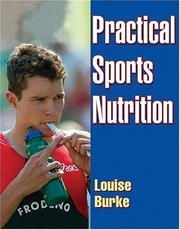
Written by the head of sports nutrition at the Australian Institute of Sport, this is the gold-standard advanced reference. It applies evidence-based nutrition to specific sports and athlete types — the capstone of the curriculum.
Discussion
Keep reading
Paths that share books, cover the same subject, or open a related topic.