Heart disease remains a leading killer, and few health topics generate more conflicting advice. Is cholesterol the villain or a scapegoat? Is fat the problem or sugar? Read one passionate book and you will be certain; read a few and you will be wiser. The goal of a good reading order is exactly that hard-won nuance.
A sequence that works starts with a solid foundation, deliberately exposes you to the cholesterol debate, moves to practical heart-healthy eating, and ends with the broader prevention science. The essential caveat: these books are education, not medical advice. Heart disease risk is individual, and any decision about diet, statins, or treatment belongs with your physician.
Build the foundation
Start with Healthy Heart, Healthy Brain, which connects cardiovascular and cognitive health and frames risk in a modern, preventive way. It gives you the big picture before you wade into the arguments.
Weigh the cholesterol debate
Now engage the controversy on purpose. The Great Cholesterol Myth and Cholesterol Clarity challenge the conventional cholesterol-focused view, while Prevent and Reverse Heart Disease argues the opposite from a plant-based, whole-food position. Reading them together is uncomfortable and clarifying — it teaches you that the science is contested and that individual context matters more than slogans.
Eat for your heart and prevent disease
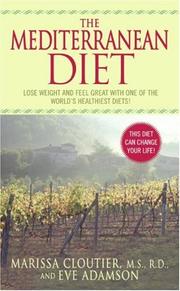
With the debate in mind, turn to practice. The Mediterranean Diet covers the eating pattern with some of the strongest evidence behind it, and Eat to Beat Disease explores how specific foods may support the body's defenses. The Whole Heart Solution, The Cardiovascular Cure, and The End of Heart Disease offer complementary prevention frameworks, and Outlive places heart health within the modern longevity science. Read them as a toolkit to discuss with your doctor, not as competing gospels.
Read in this order and heart health stops being a shouting match and becomes something you can reason about. Follow the full path to build a nuanced understanding of prevention — and take it to your physician for a plan that fits you.
Follow the full reading path →
Ready to learn something deeply?
Build a reading path — free