Best Books on Soul and R&B Music, in Order
This curriculum moves from the emotional and cultural heart of soul music outward to its institutional engines (Motown, Stax), then inward to the voices that defined it, and finally forward to how soul transformed into modern R&B. Each stage builds the vocabulary — musical, historical, and social — needed to fully appreciate the next, so a beginner arrives at the advanced material with real depth.
Foundations: What Is Soul?
BeginnerUnderstand the cultural, emotional, and historical roots of soul music — where it came from, what it meant to Black America, and why it mattered beyond entertainment.
▸ Study plan for this stage
Pace: 4–5 weeks, ~40–50 pages/day (total ~300 pages)
- Soul music as a fusion of gospel, blues, and R&B rooted in African American spiritual and cultural traditions
- The role of soul music in expressing Black identity, resilience, and emotional truth during the Civil Rights era
- Key regional styles and their origins: Memphis soul, Stax Records, Atlantic Records, and the Nashville sound
- Iconic soul artists (Otis Redding, Sam Cooke, Aretha Franklin, Wilson Pickett, etc.) and their contributions to the genre
- The relationship between soul music and social movements—how music became a vehicle for cultural and political expression
- The business and production side of soul: record labels, producers, and the infrastructure that made soul music possible
- Soul's emotional authenticity and vocal techniques: the difference between soul singing and other genres
- What are the primary musical and cultural influences that shaped soul music, and how do they differ from earlier blues and gospel traditions?
- How did soul music serve as a form of cultural expression and resistance during the Civil Rights era?
- What were the key regional variations in soul music (e.g., Memphis vs. Atlantic Records sound), and what made each distinctive?
- Name three major soul artists discussed in the book and explain what made their contributions significant to the genre
- How did record labels and producers shape the development and commercialization of soul music?
- What is the relationship between soul music's emotional authenticity and its appeal to both Black and white audiences?
- Create a timeline of soul music's emergence (1950s–1960s) with key artists, albums, and historical events from the book; annotate with how each shaped the genre
- Listen to 5–7 songs by different artists covered in Guralnick's book (e.g., Otis Redding, Sam Cooke, Aretha Franklin) and write brief notes on vocal style, emotional tone, and instrumentation
- Write a 500-word essay on how one soul artist discussed in the book used music to address social or personal themes
- Create a 'record label map' showing which artists were signed to which labels (Stax, Atlantic, etc.) and how label philosophy influenced their sound
- Conduct a comparative listening exercise: play a gospel song, a blues song, and a soul song side-by-side; identify which elements from each appear in the soul track
- Interview someone (or write a reflection) about how soul music's themes of struggle, love, and resilience resonate with them personally
Next up: By understanding soul's roots in African American culture and its emergence as a powerful form of expression, you'll be prepared to explore how soul evolved, diversified, and influenced subsequent genres and artists in the next stage.
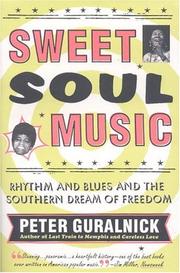
The single best starting point for any soul beginner — Guralnick traces the entire arc of Southern soul from gospel and blues roots through Stax and Atlantic with vivid storytelling and zero assumed knowledge.
The Hitmaking Machines: Motown & Stax
BeginnerUnderstand how the two great soul labels were built, how they differed in sound and philosophy, and how they shaped the music industry and Black entrepreneurship.
▸ Study plan for this stage
Pace: 4–5 weeks, ~40–50 pages/day. "To Be Loved" is approximately 300 pages; plan for 6–7 days of reading per week with built-in review days.
- Berry Gordy's vision of vertical integration: owning production, distribution, and artist development under one roof
- The Motown Sound: how Gordy engineered a distinctive sonic identity through the studio, session musicians (The Funk Brothers), and quality control processes
- Motown as a finishing school: artist development, choreography, etiquette training, and the 'Motown Finishing School' that prepared Black artists for mainstream audiences
- Breaking the color barrier: how Motown strategically marketed Black music to white audiences and radio stations during segregation
- The role of songwriting and production teams: Motown's hit factory model with Holland-Dozier-Holland, Smokey Robinson, and others
- Black entrepreneurship and ownership: Gordy's rise from a $800 loan to building a multi-million dollar Black-owned enterprise
- Artist relationships and loyalty: how Gordy built long-term relationships with artists while maintaining strict creative and business control
- The business of soul: how Motown balanced artistic integrity with commercial viability and profit
- What was Berry Gordy's original vision for Motown, and how did the concept of vertical integration differentiate it from other record labels?
- How did Motown's quality control process and the 'finishing school' approach shape the careers of artists like Diana Ross, Marvin Gaye, and Stevie Wonder?
- What specific strategies did Gordy employ to break through racial barriers and get Motown records played on mainstream (white) radio stations?
- How did the Funk Brothers and Motown's in-house production teams contribute to the distinctive 'Motown Sound'?
- What role did songwriting partnerships (like Holland-Dozier-Holland and Smokey Robinson) play in Motown's commercial success?
- How did Gordy's approach to artist management and ownership differ from other labels, and what were the long-term consequences for both the label and its artists?
- Create a timeline of Motown's founding (1959) through the early 1970s, marking key artist signings, hit records, and business milestones mentioned in Gordy's memoir. Annotate with how each event reflected his stated business philosophy.
- Listen to 5–6 classic Motown hits (e.g., 'Where Did Our Love Go,' 'My Girl,' 'Superstition') and identify sonic elements Gordy discusses: the drum sound, bass lines, horn arrangements, and vocal production. Write a 1-page analysis of how these elements create the 'Motown Sound.'
- Research and write a 2-page profile of one Motown artist (Diana Ross, Marvin Gaye, Stevie Wonder, or The Temptations) using Gordy's memoir as a primary source. Focus on how the artist's development reflected Motown's finishing school philosophy.
- Create a comparison chart: list 5–7 business practices Gordy describes (e.g., quality control, artist training, radio promotion strategy) and explain how each served his goal of breaking the color barrier.
- Interview or survey 3–5 people about their familiarity with Motown artists and music. Ask what they know about the label's history and Black ownership. Reflect on how Gordy's legacy shaped popular culture and collective memory.
- Design a mock 'Motown Finishing School' curriculum based on Gordy's descriptions in the memoir. What would you teach? Why? How does this reflect Gordy's philosophy about preparing artists for mainstream success?
Next up: This stage establishes Motown as the foundational model of soul music and Black entrepreneurship; the next stage will contrast Motown's polished, crossover-focused approach with Stax Records' rawer, more Southern-rooted aesthetic and different business philosophy.
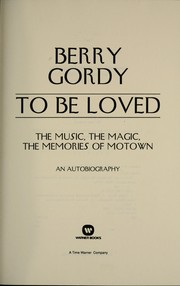
Motown's founder tells the story himself — essential primary-source reading that reveals the ambition, discipline, and crossover strategy behind the 'Sound of Young America.'
The Great Voices
IntermediateGo deep into the lives and artistry of the defining voices of soul, understanding how biography, struggle, and genius combined to create iconic performances.
▸ Study plan for this stage
Pace: 8–10 weeks, ~40–50 pages/day (3–4 hours of focused reading). Allocate roughly 3 weeks per biography to allow time for reflection, listening, and exercises between books.
- How biographical trauma and personal struggle shaped the artistic vision of Aretha Franklin, Little Richard, and James Brown
- The relationship between African American identity, spirituality, and the evolution of soul music as a form of resistance and expression
- Performance as a physical and emotional act: how these artists used their bodies, voices, and stage presence to communicate power and vulnerability
- The role of mentorship, family influence, and community in developing iconic artists—from gospel roots to secular stardom
- How commercial success and artistic integrity intersected (or conflicted) in the careers of these three legends
- The technical and stylistic innovations each artist brought to soul and R&B: vocal techniques, rhythmic experimentation, and emotional authenticity
- The intersection of gender, race, and power dynamics in soul music—particularly Aretha's fight for respect and autonomy
- Legacy and influence: how these three artists shaped the sound, ethos, and business of soul and R&B for generations
- How did Aretha Franklin's childhood experiences with her father's ministry and family trauma influence her approach to vocal performance and song choice?
- What were the key turning points in Little Richard's career, and how did his personal identity and spirituality shape his artistic decisions?
- How did James Brown's philosophy of hard work, discipline, and showmanship differ from the approaches of Aretha and Little Richard, and what does this reveal about different paths to soul music?
- What role did gospel music play in the development of all three artists, and how did they each negotiate the transition from sacred to secular music?
- How did each artist use their music and performance to address or respond to the social and racial conditions of their time?
- What were the major conflicts between commercial demands and artistic vision in these three careers, and how did each artist navigate them?
- Create a timeline for each artist (Aretha, Little Richard, James Brown) mapping key biographical events alongside their major recordings and performances—identify correlations between life events and artistic output.
- Listen to a curated playlist of 15–20 signature songs across all three artists while reading; after each book, write a 2–3 page reflection on how the biography deepens your understanding of the vocal performance and emotional content.
- Comparative analysis essay: Choose one theme (e.g., spirituality, performance style, business acumen, resilience) and trace how it manifests differently across the three artists' lives and work.
- Watch live performance footage (concert recordings, TV appearances) from each artist during key periods mentioned in the books; document how their stage presence, physicality, and audience interaction reflect what you've read about their personalities and philosophies.
- Interview-style reflection: Write imaginary conversations between pairs of these artists (Aretha & Little Richard, James Brown & Aretha, etc.) discussing their approaches to music, success, and identity—ground responses in details from the biographies.
- Create a 'influence map' showing how each of these three artists influenced one another and the artists who came after them; use the books as primary sources and add 2–3 artists each influenced to extend the web.
Next up: By intimately understanding how these three towering figures transformed personal struggle into artistic genius and shaped soul's sound and ethos, you'll be equipped to explore how their innovations rippled through subsequent generations and genres—moving from the lives of legends to the movements and styles they spawned.

Aretha is the undisputed Queen of Soul, and Ritz's authoritative biography — built on decades of access — is the richest single portrait of a soul artist ever written.
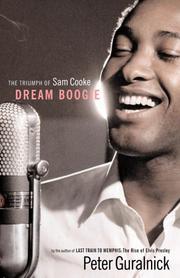
Guralnick's monumental biography of Sam Cooke shows how one voice bridged gospel, pop, and civil-rights activism — essential for understanding soul's moral and spiritual dimension.
Brown's own memoir captures the relentless drive and showmanship that pushed soul toward funk and modern R&B; reading it after Cooke and Franklin reveals the full spectrum of the form.
From Soul to Modern R&B
ExpertTrace how classic soul evolved through funk, quiet storm, new jack swing, and neo-soul into the contemporary R&B landscape, and assess what was gained and lost in the transformation.
▸ Study plan for this stage
Pace: 4–5 weeks, ~40–50 pages/day (approximately 250–300 pages total)
- The lyrical and poetic foundations of rap as an evolution from soul's narrative tradition and emotional authenticity
- How rap inherited and transformed soul's call-and-response structures, vocal delivery styles, and themes of social commentary
- The role of production and sampling in connecting rap's sonic DNA to classic soul, funk, and R&B records
- Rap as a continuation of soul's tradition of using music as a vehicle for Black cultural expression and resistance
- The tension between rap's commercial evolution and its roots in grassroots, community-based performance
- How understanding rap's soul lineage reveals what elements of soul's artistry persist versus what was sacrificed for commercial viability
- How does 'The Anthology of Rap' trace the direct lineage between classic soul music and the emergence of rap as a genre?
- What specific vocal and lyrical techniques did soul artists pioneer that rappers adopted and adapted?
- How did sampling and production choices in early rap records serve as a bridge back to soul and funk records?
- What does Bradley argue about rap's relationship to soul's tradition of social commentary and storytelling?
- In what ways did rap both preserve and transform the emotional authenticity that defined classic soul?
- What does this genealogy reveal about what was gained (innovation, accessibility, cultural reach) and lost (certain forms of musicianship, live instrumentation) in the transition from soul to rap?
- Create a timeline mapping 5–7 key soul artists (e.g., Aretha Franklin, James Brown, Marvin Gaye) to the rappers they directly influenced, citing specific Bradley references for each connection
- Select one classic soul record and one rap record that samples or interpolates it; analyze how the rap version preserves or transforms the original's emotional intent and lyrical themes
- Listen to 3–4 examples of call-and-response in soul music, then compare them to similar structures in rap; write a 1–2 page analysis of how the technique evolved
- Interview or survey 3–5 people about their perception of soul vs. rap; use Bradley's framework to explain the historical continuities they may not have recognized
- Annotate 2–3 key passages from Bradley where he explicitly discusses soul's influence on rap; create a visual mind map showing the conceptual connections he draws
- Write a short critical essay (500–750 words) arguing whether rap should be understood as a 'natural evolution' of soul or a 'radical departure,' using Bradley's evidence to support your position
Next up: Understanding rap's deep roots in soul's vocal, lyrical, and thematic traditions provides the foundation for examining how subsequent R&B subgenres (quiet storm, new jack swing, neo-soul) negotiated their own relationships with soul's legacy while navigating commercialism, technology, and changing cultural contexts.

Though rap-focused, this scholarly anthology is essential context for understanding how hip-hop absorbed and transformed soul's lyrical tradition on the road to modern R&B.
Discussion
Keep reading
Paths that share books, cover the same subject, or open a related topic.