Best Books on Gospel Music, in Reading Order
This curriculum traces gospel music from its deepest roots in African American spirituals through the revolutionary genius of Thomas Dorsey, the electrifying golden age of quartets, and finally gospel's seismic influence on soul and pop. Starting with accessible cultural and historical context, each stage builds the vocabulary, names, and musical concepts needed to fully appreciate the more specialized and analytical books that follow.
Roots & Soil: Spirituals and the African American Sacred Tradition
BeginnerUnderstand where gospel music comes from — the spirituals, the slave church, and the African American religious experience that made it all possible.
▸ Study plan for this stage
Pace: 8–10 weeks, ~25–30 pages/day. Start with Du Bois (2–3 weeks), move to Allen (2–3 weeks), then Floyd (2–3 weeks), with 1–2 weeks for integration and reflection.
- The spiritual as a coded language of resistance and hope within slavery and the enslaved church
- Du Bois's concept of 'double consciousness' and how it shaped African American musical expression
- The role of call-and-response, improvisation, and African musical retention in spirituals
- How spirituals functioned as both religious devotion and survival mechanism in the slave experience
- The documentary and ethnographic value of 'Slave Songs of the United States' as a primary source for understanding authentic spiritual texts
- Samuel Floyd's framework for understanding Black music as a coherent cultural and historical force with its own aesthetic logic
- The transition from spirituals to later gospel forms: continuity of themes, performance style, and communal function
- What does Du Bois mean by 'double consciousness,' and how does he connect it to African American music and spirituals?
- What are the key characteristics of spirituals documented in Allen's collection, and what do they reveal about enslaved people's religious beliefs and daily experiences?
- How did spirituals function as both spiritual expression and a form of coded communication or resistance during slavery?
- According to Floyd, what makes Black music a distinct cultural phenomenon with its own aesthetic principles, separate from European musical traditions?
- What African musical elements (rhythm, call-and-response, improvisation) are preserved in the spirituals, and why did they survive the Middle Passage?
- How do the three texts together establish the spiritual as the foundation for later gospel music development?
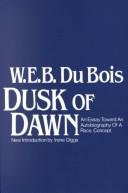
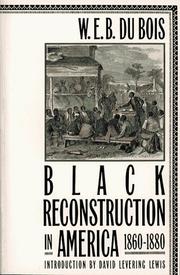
- Read and annotate Du Bois's chapter on 'The Sorrow Songs' (Chapter 14 of *The Souls of Black Folk*), marking passages that connect music to identity, suffering, and hope.
- Select 5–6 spirituals from Allen's *Slave Songs of the United States*, read the lyrics carefully, and write a 1–2 page analysis of the coded meanings, biblical references, and emotional registers in each.
- Listen to 3–4 recorded versions of the same spiritual (e.g., 'Go Down Moses' or 'Swing Low, Sweet Chariot') from different eras/performers; note variations in arrangement, tempo, and vocal style, then reflect on how performers interpret the material.
- Create a visual timeline mapping the historical context of spirituals (key dates in slavery, emancipation, Reconstruction) alongside Du Bois's and Allen's arguments about when and why spirituals emerged.
- Write a short essay (2–3 pages) explaining how Floyd's concept of Black music as a coherent cultural force helps you understand the spirituals not as isolated folk songs but as part of a larger African American aesthetic tradition.
- Conduct a comparative close reading: choose one spiritual from Allen's collection and trace how its themes, language, or musical qualities appear in a later gospel song (research one outside the assigned texts); write 1–2 pages on the continuity and evolution.
Next up: This stage establishes the historical, spiritual, and musical DNA of gospel music, grounding you in the lived experience and artistic genius that created it—preparing you to trace how these same energies, themes, and performance practices evolved into the gospel forms of the 20th century and beyond.
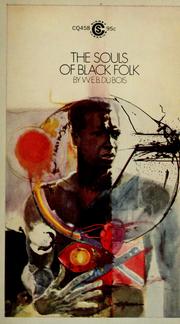
Du Bois's foundational text introduces the 'sorrow songs' (spirituals) as the defining cultural expression of Black America — essential first vocabulary before studying any gospel subgenre.
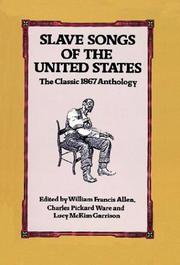
The first major collection of African American spirituals, published in 1867; reading it grounds you in the actual texts and melodies that gospel music would later transform and build upon.
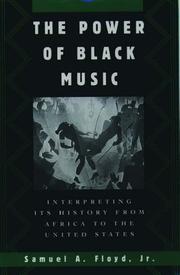
Floyd traces African musical memory through spirituals, blues, and gospel, giving the learner a theoretical framework for understanding how Black sacred music retains and transmits culture across generations.
The Father of Gospel: Thomas A. Dorsey and the Birth of Modern Gospel
BeginnerUnderstand how Thomas Dorsey fused blues and sacred music to invent modern gospel, and grasp the social and religious controversies that surrounded that invention.
▸ Study plan for this stage
Pace: 4–5 weeks, ~25–30 pages/day (approximately 150–180 pages total)
- Thomas A. Dorsey's biography and musical background in blues and spirituals
- The fusion of blues musical elements (chord progressions, rhythmic patterns, instrumentation) with sacred hymn texts and themes
- The role of the Great Migration and urbanization in creating the conditions for gospel music's emergence
- Religious and ecclesiastical resistance to gospel music in Black churches and the theological objections raised
- The development of gospel as a distinct genre with its own performance practices, emotional expression, and social function
- Dorsey's key compositions and their impact on establishing gospel as a commercial and spiritual force
- The relationship between secular blues and sacred gospel as a continuum rather than a binary
- How did Thomas Dorsey's early experience with blues music directly influence his approach to composing sacred music?
- What specific musical elements did Dorsey borrow from blues tradition and adapt for gospel compositions?
- Why did many Black church leaders and congregations initially resist gospel music, and what were their theological objections?
- How did urbanization and the Great Migration create a social and cultural context in which gospel music could flourish?
- What were some of Dorsey's most influential compositions, and how did they demonstrate the blues-gospel fusion?
- How did gospel music eventually gain acceptance in Black churches despite initial opposition?
- Create a timeline of Dorsey's life and musical development, marking key moments when he transitioned from blues to gospel and noting which compositions emerged at each stage
- Listen to 3–4 recordings of Dorsey's compositions (e.g., 'Precious Lord, Take My Hand,' 'Peace in the Valley') while reading relevant passages, and write brief notes on the blues elements you hear in melody, harmony, and rhythm
- Compare a traditional spiritual or hymn with one of Dorsey's gospel compositions side-by-side, documenting the musical and lyrical differences and similarities
- Write a 2–3 page essay addressing the question: 'Why was the fusion of blues and sacred music so controversial in the 1920s–1930s Black church?'
- Create a visual diagram or concept map showing how blues, spirituals, and gospel relate to one another, with Dorsey's role at the center
- Interview or survey 3–5 people familiar with gospel music about how they understand the connection between blues and gospel, then reflect on how Harris's book confirms or complicates their views
Next up: This stage establishes Dorsey as the foundational figure and the blues-gospel fusion as the core innovation, preparing you to explore how subsequent gospel artists, composers, and movements built upon, diverged from, or expanded Dorsey's legacy in later stages.
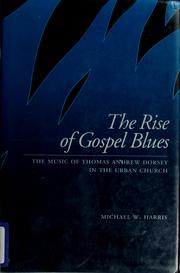
Harris goes deeper into the blues-to-gospel pipeline and Dorsey's musical theology; read after 'Say Amen' to consolidate and expand on the same story with more musical detail.
The Golden Age: Quartets, Jubilee Singers, and Hard Gospel
IntermediateExplore the golden age of gospel quartets and jubilee groups — their performance culture, fierce competition, and the artists who defined the sound from the 1930s through the 1960s.
▸ Study plan for this stage
Pace: 6–8 weeks, ~25–30 pages/day (approximately 2–3 weeks per book, accounting for note-taking and reflection on performance culture and artist profiles)
- The rise of gospel quartets as a distinct performance tradition separate from congregational singing, shaped by jubilee singers' legacy and touring culture
- The competitive ecosystem of gospel quartets: how groups differentiated themselves through vocal arrangements, stage presence, and regional styles
- Key artists and groups (e.g., the Golden Gate Quartet, the Dixie Hummingbirds, the Soul Stirrers) and their innovations in harmony, rhythm, and emotional delivery
- Hard gospel as a stylistic evolution: the shift toward more rhythmic, percussive, and emotionally intense performances in response to secular music influences
- The role of record labels, radio, and live touring circuits in establishing gospel as a commercial and cultural force from the 1930s–1960s
- The relationship between gospel performance culture and the development of soul and R&B music
- Gender dynamics and the prominence of male quartets versus female gospel singers in the commercial gospel landscape
- Theological and social contexts: how gospel music reflected African American spirituality, resilience, and community identity during segregation and the Civil Rights era
- How did the jubilee singing tradition of the 19th century directly influence the formation and performance style of gospel quartets in the 1930s–1950s?
- What were the key differences between jubilee singers and hard gospel quartets in terms of vocal technique, arrangement, and emotional expression?
- Name at least three major gospel quartet groups from the golden age and describe what made each one distinctive in terms of sound, performance style, or innovation.
- How did the competitive touring circuit and record industry shape the development of gospel quartet music during this period?
- What role did hard gospel play in bridging traditional gospel and secular popular music, and which artists exemplified this transition?
- How did gender, race, and regional identity influence which gospel artists achieved commercial success and cultural prominence during the 1930s–1960s?
- Create a timeline mapping 10–15 key gospel quartet groups and artists from the 1930s–1960s, noting their formation dates, signature songs, and stylistic innovations (based on Boyer and Heilbut's accounts).
- Listen to recordings by at least 5 different gospel quartets mentioned in the books (e.g., Golden Gate Quartet, Dixie Hummingbirds, Soul Stirrers, Blind Boys of Alabama) and write 1–2 paragraphs analyzing the vocal arrangements, rhythmic elements, and emotional intensity of each.
- Compare and contrast two quartets from different regions or eras (e.g., early jubilee-influenced groups vs. hard gospel innovators) by analyzing how their performance culture and musical choices reflected their context.
- Write a 500–750 word profile of one major gospel quartet or artist from Boyer or Heilbut's accounts, covering their background, signature style, influence on the genre, and relationship to the broader golden age movement.
- Create a visual map or diagram showing the connections between jubilee singers, gospel quartets, hard gospel, and the emergence of soul/R&B, using specific artists and musical elements from the books as evidence.
- Conduct a close reading of one chapter from each book (Boyer and Heilbut) on the same topic (e.g., performance culture or a specific artist) and write a comparative analysis of how each author frames the golden age differently.
Next up: This stage establishes the foundational knowledge of gospel's commercial and artistic golden age, positioning you to explore how these quartet traditions and hard gospel innovations directly shaped the emergence of soul music, R&B, and modern gospel in the subsequent stage.
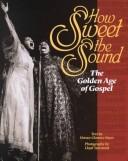
Boyer, himself a gospel musician and scholar, provides the most comprehensive and readable survey of the quartet era and its key figures — the perfect entry point for this stage.
Heilbut's classic, deeply reported book profiles the great gospel singers and quartets with journalistic intimacy; it remains the canonical text on the golden age and belongs right after Boyer's overview.
Gospel's Reach: Soul, Pop, and the Secular Crossover
IntermediateTrace how gospel's vocabulary, feeling, and performers crossed over into soul and pop music, and understand the ongoing tension between the sacred and the secular.
▸ Study plan for this stage
Pace: 8–10 weeks, ~40–50 pages/day (accounting for dense biographical and musical analysis material)
- Gospel's musical DNA: call-and-response, melismatic vocal ornamentation, and emotional intensity as foundational elements that migrated into soul and pop
- The role of gospel performers (Sam Cooke, Aretha Franklin, etc.) as cultural bridges who brought sacred vocal techniques and spiritual authenticity to secular music
- Soul music as a hybrid genre: how artists synthesized gospel's emotional vocabulary with R&B, blues, and pop structures to create a new commercial form
- The sacred-secular tension: the moral and artistic debates within Black communities about whether gospel artists 'selling out' by crossing over, and how artists navigated this conflict
- Regional and institutional contexts: how specific churches, record labels, and cities (Memphis, Detroit, New York) shaped the crossover movement
- Aretha Franklin's centrality: how her career exemplifies the complete integration of gospel power into mainstream pop while maintaining spiritual credibility
- The economics and politics of crossover: how record labels, radio, and the music industry capitalized on and shaped the sacred-to-secular migration
- Authenticity and artistic identity: how performers negotiated their public personas, repertoire choices, and spiritual commitments across sacred and secular spaces
- How did specific gospel vocal techniques (call-and-response, melisma, vocal runs) appear in the soul and pop music discussed in these books, and what artists exemplified this transfer?
- What were the main arguments—both within Black communities and from the music industry—about whether gospel artists should cross over into secular music, and how did artists like Sam Cooke and Aretha Franklin respond to this tension?
- How did the regional contexts described in Guralnick's books (Memphis, Detroit, etc.) and the institutional roles of specific churches and labels influence which gospel artists crossed over and how they did so?
- What role did Aretha Franklin play in legitimizing gospel-inflected soul music in the mainstream, and how did her career differ from or parallel other crossover artists?
- How did the economics of the music industry—record labels, radio play, marketing—actively shape and profit from the sacred-to-secular crossover movement?
- What does 'authenticity' mean in the context of these books, and how did performers maintain or lose it when moving between sacred and secular spaces?
- Create a detailed timeline mapping 5–8 key gospel artists' crossover moments (e.g., Sam Cooke leaving the Soul Stirrers, Aretha's first secular recordings) using evidence from Guralnick and Ritz; annotate each with the specific tensions or industry pressures involved
- Comparative listening and analysis: Select 3 gospel recordings and 3 soul/pop recordings by the same artist (e.g., Sam Cooke's gospel vs. secular work, or Aretha's gospel roots vs. 'Respect'); document which vocal techniques, emotional qualities, and song structures carry over
- Write a 2–3 page analytical essay on one artist's sacred-secular negotiation (e.g., Aretha Franklin, Sam Cooke, or another figure central to these books) that synthesizes evidence from all three texts about their artistic choices, public reception, and personal beliefs
- Create an annotated 'influence map' showing how gospel vocal and emotional vocabulary flowed into specific soul and pop songs/artists discussed in the books; use direct quotes from the texts to support each connection
- Interview or transcribe-based exercise: Identify 2–3 key quotes from each book about the sacred-secular tension, and write a short response explaining what each reveals about how artists, communities, or the industry understood the crossover
- Produce a 'case study' document on one regional/institutional context (e.g., Detroit's church-to-Motown pipeline, Memphis gospel scenes) that shows how geography and institutions shaped crossover patterns, drawing on Guralnick's regional focus
Next up: This stage establishes how gospel's emotional and vocal vocabulary became the beating heart of soul and pop, setting up the next stage to explore how these hybrid genres then influenced rock, funk, hip-hop, and contemporary music—and how the sacred-secular boundary continues to shift in modern genres.
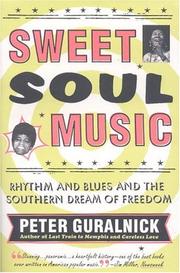
Guralnick's masterpiece on Southern soul shows in granular detail how gospel training, phrasing, and emotion became the engine of Ray Charles, Aretha Franklin, Sam Cooke, and the entire soul movement.
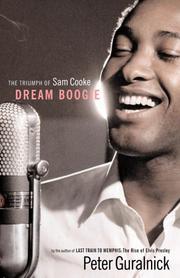
Sam Cooke's journey from the Soul Stirrers to pop stardom is the single most dramatic gospel-to-pop story ever lived; this biography makes the crossover tension vivid and personal.

Aretha is the supreme case study in gospel's pull on pop; Ritz's biography closes the curriculum by showing how the church never really left, even at the top of the pop charts.
Discussion
Keep reading
Paths that share books, cover the same subject, or open a related topic.