Soul and R&B reward a reading order because the music was made by scenes, not by soloists. Stax in Memphis, FAME in Muscle Shoals, Motown in Detroit, and the gospel circuit that fed all of them each had their own economics, house bands, and racial politics. If you start with a single-artist biography, you get a life without the room it was recorded in.
The other thing that trips readers up is the gospel-to-secular crossing. Almost every major soul voice was trained in church and then took heat for leaving it. Books that skip that transition make the singers look like pop acts who happened to have range.
Start with the scene, not the star
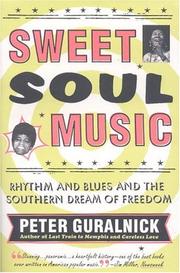
Open with Sweet soul music, Peter Guralnick's account of Southern soul from the late fifties through the early seventies. It is the book that establishes the geography — the studios, the session players, the integrated bands working in a segregated South — and it gives you the frame every later biography slots into. Read it before anything else and names like Booker T., Rick Hall, and Jerry Wexler will already mean something.
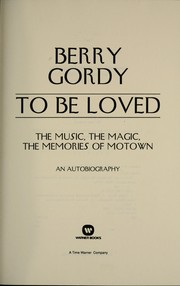
Then cross to Detroit with To be loved, Berry Gordy's own memoir. Treat it as a founder's account rather than a neutral history: Gordy is telling you how he built an assembly line for hit records, and he is not a disinterested narrator about artist contracts or royalties. Read that way, it is enormously useful on the mechanics of quality control, choreography, charm school, and the Hitsville pipeline.
The voices, and the cost of them
With the scenes in place, the biographies land harder. Respect, David Ritz's life of Aretha Franklin, is the essential one — a portrait of a preacher's daughter whose genius was inseparable from a family and a church she could never fully leave behind, and Ritz is candid about the parts of her life she preferred not to discuss. Pair it with Dream boogie, Guralnick's biography of Sam Cooke, which is the clearest single case study of the gospel-to-pop crossing and of a Black artist trying to own his masters and publishing decades before that was normal.
Then read James Brown, the godfather of soul, Brown's own telling. Like the Gordy book it is a primary source with an agenda, and it is best read after Guralnick so you can hear where the self-mythology thickens. What it does better than any secondary account is convey the sheer labor — the fines for missed notes, the touring schedule, the obsessive drilling of a band into a rhythm machine.
Where the line keeps going
Close with The anthology of rap, edited by Adam Bradley. It is a departure from the biographies, and deliberately so: it treats hip-hop lyrics as a body of text and lets you trace how soul's phrasing, sampling sources, and preacher-cadence rhetoric carried forward. If your interest stops at 1975 you can skip it; if you want to understand why the Stax and Motown catalogs became the raw material for the next fifty years of American music, it closes the loop.
If you only have room for two, take Sweet soul music and Respect — the scene and the voice. Follow the full path if you want the whole arc, from Memphis session floors to the sampler.
Follow the full ordered path here: Soul and R&B: The Best Books to Read, in Order.