Best Russian Cookbooks to Learn the Cuisine
This curriculum takes a beginner from the cultural and historical roots of Russian cuisine all the way to mastering its most iconic dishes — from the zakuski table and hearty soups to hand-crafted dumplings, filled pastries, and the art of preserving. Each stage builds on the last: first understanding the pantry and philosophy, then tackling core recipes, then deepening craft and regional nuance, and finally exploring preservation and the full festive table.
Foundations: Culture, Pantry & First Recipes
BeginnerUnderstand the history, key ingredients, and flavor logic of Russian cooking, and cook a first set of approachable classic dishes with confidence.
▸ Study plan for this stage
Pace: 4–5 weeks, ~40–50 pages/day (alternating between both books; allow 2–3 days per week for cooking practice)
- Russian culinary history: how geography, climate, and imperial/Soviet influences shaped the cuisine's evolution and regional diversity
- The Russian pantry: essential ingredients (grains, preserved vegetables, dairy, mushrooms, herbs) and their historical significance
- Flavor logic of Russian cooking: the balance of sour (fermentation, vinegar), rich (butter, sour cream), and earthy (mushrooms, root vegetables) elements
- Foundational techniques: pickling, fermenting, slow-cooking, and layering flavors in soups and stews
- Classic Russian dishes as cultural artifacts: understanding the stories and contexts behind iconic recipes (borscht, pelmeni, piroshki, etc.)
- Regional variation: how different regions of Russia developed distinct culinary traditions based on local ingredients and cultural exchange
- The role of hospitality and communal eating in Russian food culture and table traditions
- How did Russian geography and climate shape the development of preservation techniques like fermentation and pickling?
- What are the five to seven essential ingredients in a traditional Russian pantry, and why is each one important to the cuisine?
- What is the characteristic flavor profile of Russian cooking, and how do sour, rich, and earthy elements work together?
- How do the recipes and food traditions in 'Please to the Table' reflect the historical periods and regions Anya Von Bremzen describes?
- What distinguishes regional Russian cuisines (e.g., Northern vs. Southern, Caucasian influences), and can you name dishes specific to each?
- How do the foundational techniques (fermentation, slow-cooking, layering) appear across different classic Russian dishes?
- Read the introductory chapters of 'Please to the Table' (history and regional overview) and create a timeline of major culinary influences on Russian cooking (Mongol invasions, imperial court, Soviet era)
- Compile a 'Russian Pantry Essentials' list by cross-referencing ingredient discussions in both books; source and taste at least 3 unfamiliar items (e.g., smetana, kvass, or a specific mushroom variety)
- Cook one soup recipe from each book (e.g., borscht from 'Please to the Table' and a vegetable soup from 'A Taste of Russia') and document how the flavor balance of sour/rich/earthy appears in each
- Prepare a fermented or pickled vegetable (such as pickled cucumbers or sauerkraut) following a recipe from one of the books; taste it over 1–2 weeks and note how flavor develops
- Select one classic dish (pelmeni, piroshki, or stroganoff) and read its history across both books, then cook it; write a 1-page reflection on how the recipe embodies Russian culinary values
- Host a small tasting meal featuring 3–4 dishes you've cooked from the books, paired with Russian beverages (kvass, tea, or vodka); invite someone unfamiliar with Russian food and explain the cultural significance of each dish
Next up: This stage establishes the historical, ingredient, and technique foundations that make Russian cooking distinctive; the next stage will build on this knowledge by exploring more complex, regionally specific recipes and advanced preservation and fermentation methods.
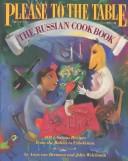
The definitive English-language introduction to the cuisines of the former Soviet republics, including Russia. It opens with pantry essentials, cultural context, and accessible recipes — the perfect first book for a complete beginner.

A focused, scholarly yet practical guide to classic Russian cooking. Read second to reinforce pantry knowledge and begin cooking iconic dishes like borscht, shchi, and zakuski with clear, reliable recipes.
The Soul of the Table: Soups, Zakuski & Everyday Dishes
BeginnerMaster the full spectrum of Russian soups — from borscht to shchi to solyanka — and build a confident zakuski (appetizer) table, understanding how these dishes anchor Russian hospitality.
▸ Study plan for this stage
Pace: 4–5 weeks, ~40–50 pages/day, with 2–3 cooking sessions per week interspersed throughout
- The historical and cultural roots of Russian soups as expressions of regional identity and seasonal availability
- The foundational techniques for building soup stocks and broths that define Russian soup character
- The taxonomy of Russian soups: clear broths (bouillon), vegetable soups (shchi, rassolnik), beet soups (borscht variants), and complex mixed soups (solyanka)
- Zakuski as a deliberate ritual and social practice—cold appetizers that set the tone for hospitality and table culture
- The role of fermentation, preservation, and pantry staples (sauerkraut, pickles, sour cream) in everyday Russian cooking
- How soup and zakuski selections reflect economic constraints, seasonal cycles, and regional geography across Russia
- The balance of sour, savory, and rich flavors as the sensory signature of Russian cuisine
- What are the three main categories of Russian soups, and what distinguishes borscht from shchi from solyanka in terms of ingredients, technique, and cultural significance?
- How do the stocks and broths in 'Beyond the North Wind' and 'The Art of Russian Cuisine' differ in their preparation, and why does the choice of stock matter for the final soup?
- What role do fermented and preserved ingredients (sauerkraut, pickled vegetables, sour cream) play in Russian soups, and how do they contribute to flavor complexity?
- Describe the purpose and composition of a traditional zakuski table. What makes certain dishes essential, and how do they reflect Russian hospitality values?
- How do regional and seasonal variations influence which soups and zakuski appear on a Russian table, and can you identify at least three regional soup traditions?
- What is the relationship between Russian soup-making and historical food preservation techniques, and how does this history inform modern Russian cooking?
- Make a clear chicken or beef stock from scratch following recipes in both books; compare the methods and taste the results side-by-side to understand how technique affects final flavor
- Prepare three different borscht variations (vegetarian, with beef, and a regional variant) over three separate weeks, documenting how ingredients and technique shift the dish's character
- Cook shchi using both fresh cabbage and sauerkraut versions; taste and analyze how fermentation changes the soup's acidity, depth, and cultural meaning
- Assemble and serve a complete zakuski table for 4–6 people, selecting 5–7 cold appetizers from the books; reflect on how the spread creates anticipation and sets a Russian table's tone
- Make solyanka (either meat or fish version) and document the layering of sour, savory, and rich flavors; identify which ingredients contribute which taste notes
- Prepare a week of Russian soups (one different soup per day) and keep a tasting journal noting flavor profiles, texture, and which stock or technique made the biggest impact
Next up: This stage establishes the foundational soups and appetizers that anchor Russian meals, preparing you to explore how these building blocks combine into full menus, multi-course celebrations, and regional feast traditions in the next stage.

Goldstein's deeper dive into the indigenous ingredients and traditions of Russia's north gives essential context for why soups and preserved foods are central. Its soup and cold-table chapters are outstanding and build directly on her earlier book.
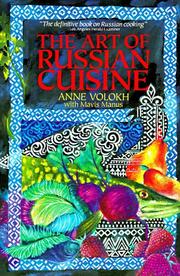
A comprehensive, recipe-rich volume covering zakuski, soups, and main courses in great detail. Read here to expand your repertoire and encounter more regional and historical variation in the dishes you've already started cooking.
Hands-On Craft: Pelmeni, Pirozhki & Filled Doughs
IntermediateDevelop the hands-on dough-making skills needed to produce pelmeni, vareniki, pirozhki, and other filled pastries — the most technique-intensive pillar of Russian home cooking.
▸ Study plan for this stage
Pace: 4–5 weeks, ~20–25 pages/day, with 2–3 dedicated cooking sessions per week for hands-on practice
- The foundational dough ratios and hydration levels for pelmeni, vareniki, and pirozhki—understanding how flour, water, eggs, and salt interact
- Hand-shaping techniques specific to each pastry: pleating pelmeni, sealing vareniki, and crimping pirozhki edges for structural integrity
- The role of resting and chilling dough to develop gluten and prevent shrinkage during shaping and cooking
- Filling preparation and consistency: balancing moisture content so fillings don't burst through or make dough soggy
- The distinction between boiling, pan-frying, and baking methods and how each affects the final texture and browning of filled doughs
- Olia Hercules's approach to connecting family memory and technique—using her personal stories and family recipes as a lens for understanding why these techniques matter
- Troubleshooting common failures: tough dough, torn wrappers, leaking fillings, and uneven cooking
- What are the basic ingredient ratios for a pelmeni dough, and why is the balance between flour and liquid critical?
- Describe the hand-shaping technique for pelmeni: how do you fold, seal, and achieve the characteristic shape without tearing the dough?
- What is the purpose of resting dough between mixing and shaping, and how long should you rest it?
- How do you prepare a filling (meat, potato, or cheese) so it doesn't leak or make the dough soggy during cooking?
- What are the key differences in technique and texture between boiled pelmeni, pan-fried pirozhki, and baked vareniki?
- When a pelmeni tears during shaping or cooking, what are the most likely causes, and how do you prevent them?
- Make a basic pelmeni dough, rest it properly, and shape at least 30 pelmeni by hand, focusing on consistent size and sealed edges; cook and taste them
- Prepare a meat filling for pelmeni (following Hercules's guidance) and practice the balance of seasoning and moisture; make a test batch to evaluate
- Shape a batch of vareniki with a potato or cheese filling, paying attention to sealing technique; boil and pan-fry them to compare textures
- Make pirozhki dough and shape at least 12 pastries; bake them and evaluate browning, flakiness, and filling containment
- Conduct a side-by-side comparison: boil, pan-fry, and bake the same dough recipe to understand how cooking method affects final texture and taste
- Deliberately make mistakes (undersalt the dough, overfill a pastry, skip resting) in small batches to understand cause-and-effect and build troubleshooting intuition
Next up: This stage builds the muscle memory and intuitive understanding of dough behavior needed to advance to more complex filled pastries, laminated doughs, and the decorative techniques that define Russian festive baking.

Hercules brings a personal, post-Soviet perspective with beautiful recipes for filled dumplings and baked pastries across Ukrainian and Russian traditions. Reading it alongside Kachka broadens your dough vocabulary and shows regional variation.
Preserving Traditions: Pickling, Fermenting & the Larder
IntermediateUnderstand and practice the Russian traditions of fermentation, pickling, and preserving — the backbone of the zakuski table and the winter larder — including sauerkraut, pickled cucumbers, salted mushrooms, and fruit preserves.
▸ Study plan for this stage
Pace: 4–5 weeks, ~25–30 pages/day, with 2–3 days per week dedicated to hands-on fermentation projects
- Microbial ecosystems in fermentation: how lactobacillus and wild yeasts drive preservation and flavor development
- Salt's dual role: as a preservative and as a selective medium that favors beneficial bacteria over pathogens
- Anaerobic conditions and their necessity for safe, successful fermentation
- Flavor development through time: how fermentation transforms vegetables, fruits, and other ingredients into complex, umami-rich preserves
- Temperature and environmental control: managing fermentation speed and preventing spoilage
- Adapting fermentation techniques to Russian traditions: sauerkraut, pickled cucumbers, salted mushrooms, and fruit kvass
- The sensory and safety indicators of successful fermentation: taste, smell, texture, and visual cues
- Building a home fermentation practice: equipment, ingredient selection, and troubleshooting common problems
- What role do lactobacillus and wild microorganisms play in fermentation, and how do salt and anaerobic conditions create an environment where they thrive?
- How does salt concentration affect both the preservation process and the flavor profile of fermented vegetables, and what are the risks of using too little or too much?
- What are the key differences between fermentation and pickling (vinegar-based preservation), and why are fermented vegetables considered more nutritionally valuable in Russian culinary tradition?
- How can you identify a successful fermentation by taste, smell, texture, and appearance, and what visual or olfactory signs indicate spoilage or contamination?
- What environmental factors (temperature, light, vessel type, oxygen exposure) most significantly impact fermentation speed and final flavor, and how would you adjust them for a Russian winter larder?
- How would you adapt the fermentation principles from Noma to create traditional Russian sauerkraut, pickled cucumbers, salted mushrooms, and fruit preserves in your own kitchen?
- Make a batch of basic sauerkraut (cabbage + salt) following Noma's fermentation principles; observe and document daily changes in color, smell, taste, and texture over 2–4 weeks
- Ferment a batch of cucumbers using salt and anaerobic conditions; compare the flavor and texture at 1 week, 2 weeks, and 4 weeks to understand how time transforms the ingredient
- Prepare salted mushrooms (a Russian zakuski staple) using the salt-fermentation method; taste and evaluate the umami development and preservation quality
- Create a fruit preserve or kvass-style fermented beverage using wild fermentation; track temperature and environmental conditions to understand their effect on fermentation speed
- Set up a controlled fermentation experiment with two identical batches at different temperatures (e.g., 65°F vs. 72°F); compare fermentation speed, flavor development, and final results
- Conduct a salt-concentration test: ferment three small batches of the same vegetable at different salt levels (2%, 3%, 5%) and evaluate preservation, flavor, and safety indicators
- Build a home fermentation station with proper equipment (glass jars, weights, airlocks, thermometer); document your setup and troubleshoot any issues that arise during your projects
- Taste and analyze 3–4 commercial fermented products (sauerkraut, pickles, kimchi, or kvass); identify flavor notes, texture, and preservation indicators, then compare to your homemade versions
Next up: This stage equips you with the scientific understanding and practical mastery of fermentation and preservation, establishing the foundation for the next stage's exploration of how these preserved ingredients are incorporated into Russian zakuski, soups, and main dishes at the table.

While not Russian-specific, this is the most rigorous and complete modern guide to lacto-fermentation and pickling — the exact techniques behind Russian kvashennaya kapusta, pickled cucumbers, and brined mushrooms. It gives the scientific foundation that makes Russian preserving traditions fully legible.
Mastery & the Full Festive Table
ExpertSynthesize everything into a complete command of the Russian festive table — from a lavish zakuski spread to multi-course holiday meals — and understand how Soviet and post-Soviet history shaped the food culture you have been cooking.
▸ Study plan for this stage
Pace: 8–10 weeks, ~40–50 pages/day, with 2–3 cooking sessions per week
- How Soviet ideology, rationing, and scarcity shaped ingredient choices, cooking techniques, and festive meal traditions
- The role of zakuski (appetizers) as the cornerstone of Russian hospitality and how to build a complete, balanced zakuski spread
- Multi-course festive meal structure: from soup through main, garnish, and dessert—and how each course reflects Soviet and post-Soviet values
- The tension between aspiration and constraint: how Soviet cooks created luxury and abundance from limited resources
- Regional and generational variations in Russian holiday cooking, and how migration and cultural memory preserved food traditions
- The transition from Soviet to post-Soviet food culture and what ingredients, techniques, and dishes survived or were reclaimed
- Anya Von Bremzen's memoir as a lens: how personal family history illuminates broader food-culture history
- How did Soviet rationing and state food policy directly influence the ingredients, techniques, and presentation of festive dishes described in Von Bremzen's memoir?
- What makes a proper Russian zakuski spread, and how do the specific dishes Von Bremzen describes reflect Soviet-era values around hospitality and abundance?
- Describe a complete Russian festive meal from Von Bremzen's accounts: what courses are essential, in what order do they appear, and what is the cultural significance of each?
- How does Von Bremzen use her family's cooking history to illustrate the broader shifts from Soviet to post-Soviet food culture?
- Which dishes or techniques in Von Bremzen's book represent 'making do' under scarcity, and how do they differ from their pre-Soviet or Western equivalents?
- How do generational and regional differences in Von Bremzen's family (and the broader Soviet experience) shape the way Russian festive food is understood and prepared?
- Plan and execute a complete Russian festive meal (minimum 5 courses) using at least 3 recipes directly from Von Bremzen's book; document the sourcing of ingredients and any adaptations required
- Assemble and serve an authentic zakuski spread (minimum 8–10 items) based on Von Bremzen's descriptions; include at least 2 items that reflect Soviet-era resourcefulness or technique
- Cook 3 dishes that appear in different eras of Von Bremzen's narrative (e.g., one from her childhood, one from the Soviet peak, one from post-Soviet); compare and contrast the ingredients, techniques, and cultural context
- Research and prepare a regional Russian festive dish not from your home region; trace how Von Bremzen's memoir illuminates its history and significance
- Create a tasting menu that illustrates the 'tension between aspiration and constraint' in Soviet cooking—pair a luxury dish with a resourceful version of the same dish
- Write a reflective essay (1,500–2,000 words) connecting Von Bremzen's personal family narrative to the broader themes of Soviet food culture, scarcity, and post-Soviet reclamation
Next up: This stage anchors your mastery in the lived, historical reality of Russian festive cooking through Von Bremzen's memoir, preparing you to either teach or adapt Russian cuisine in new contexts, or to explore how other post-Soviet or diaspora food cultures preserve and transform culinary memory.
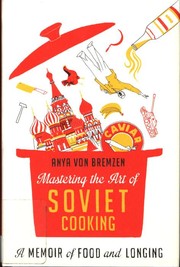
Part memoir, part culinary history, this book ties together every thread of the curriculum — soups, dumplings, preserves, the zakuski table — within the sweep of Soviet history. It is the ideal capstone, giving deep meaning to every dish you have already learned to cook.
Discussion
Keep reading
Paths that share books, cover the same subject, or open a related topic.