The Best Books on Terrariums, in Order
This curriculum takes a beginner from zero knowledge of terrariums to confident, creative mastery of closed and open glass gardens. Each stage builds on the last — starting with core concepts and plant science, moving through hands-on construction techniques, and finally reaching advanced design and specialized ecosystems like moss and tropical wardian cases.
Foundations: Understanding the Glass Garden
BeginnerUnderstand what terrariums are, how closed vs. open systems work, what plants thrive inside glass, and gain the confidence to build your first simple terrarium.
▸ Study plan for this stage
Pace: 4–5 weeks, ~25–30 pages/day. Start with "Terrarium Craft" (weeks 1–2), then move to "The New Terrarium" (weeks 3–5). Allow 2–3 days per book for review and hands-on practice.
- Definition and history of terrariums as self-contained ecosystems within glass containers
- How closed-system terrariums maintain moisture cycles through condensation and evaporation
- How open-system terrariums differ and when to use each type based on plant needs
- Plant selection criteria: humidity tolerance, growth rate, light requirements, and root depth for glass gardens
- Essential materials and tools: appropriate glass containers, soil layers, drainage, and substrate composition
- Basic terrarium assembly: layering technique, planting depth, spacing, and initial watering
- Environmental factors: light, temperature, humidity, and air circulation in a closed glass environment
- Maintenance fundamentals: monitoring condensation, watering frequency, pruning, and troubleshooting common problems
- What is the difference between a closed-system and open-system terrarium, and when would you choose one over the other?
- Explain how the water cycle works inside a closed terrarium and why condensation is important.
- What are the key characteristics of plants that thrive in terrariums, and why do slow-growing plants work better than fast-growing ones?
- Walk through the step-by-step process of assembling a terrarium, including the purpose of each layer.
- What are the most common mistakes beginners make when building terrariums, and how do you prevent them?
- How do you maintain a terrarium once it's built, and what signs indicate that something is going wrong?
- Visit a local garden center or nursery and identify 8–10 plants suitable for terrariums; note their humidity tolerance, light needs, and mature size.
- Gather materials for your first terrarium (glass container, soil, gravel, activated charcoal, moss) and lay them out to understand the layering sequence before assembly.
- Build your first simple closed-system terrarium using a small glass jar or container, following the assembly steps from 'Terrarium Craft'; document the process with photos.
- Create a second terrarium using an open-system design (such as a shallow dish or open bowl) and compare how it differs from your closed system over 2 weeks.
- Set up a daily observation log for your terrarium(s): track condensation patterns, water droplets, plant appearance, and any changes; record observations for at least 10 days.
- Troubleshoot a problem scenario: if your terrarium develops excess condensation or mold, research and implement a solution based on concepts from both books.
Next up: This foundation stage equips you with the knowledge and hands-on experience to build and maintain a functioning terrarium, preparing you to advance to specialized topics such as creating themed terrariums (tropical, desert, woodland), propagating plants within glass systems, and designing larger or more complex glass garden installations.
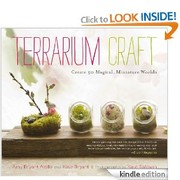
The ideal starting point — a visually rich, beginner-friendly guide that explains the difference between open and closed terrariums, introduces essential tools and materials, and walks through step-by-step projects using moss, ferns, and tropical plants.
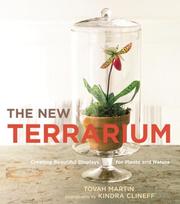
Written by a seasoned horticulturist, this book deepens your plant knowledge right after the basics, explaining why certain plants succeed in glass environments and how to think about light, humidity, and soil layering.
Going Deeper: Moss, Ferns & Miniature Ecosystems
IntermediateMaster the use of moss and ferns as primary subjects, understand how to cultivate and maintain living moss walls and forest-floor ecosystems inside glass, and troubleshoot common problems.
▸ Study plan for this stage
Pace: 4–5 weeks, ~25–30 pages/day, with 2–3 days per week dedicated to hands-on practice and observation
- Moss biology and life cycle: understanding spore reproduction, growth patterns, and environmental requirements (moisture, light, pH, temperature)
- Substrate preparation and pH management: creating acidic, well-draining growing media tailored to moss and fern preferences
- Moisture and humidity control: maintaining optimal water levels without waterlogging or drying out moss and fern ecosystems
- Fern cultivation in glass containers: selecting appropriate fern species, managing fronds, and preventing common diseases like rot and fungal issues
- Creating forest-floor ecosystems: layering substrates, incorporating leaf litter, and establishing balanced microclimates that support moss, ferns, and beneficial microorganisms
- Troubleshooting moss and fern problems: diagnosing and treating algae blooms, pest infestations, brown patches, and nutrient deficiencies
- Moss wall construction and maintenance: building vertical moss installations and sustaining them long-term in glass or open environments
- Seasonal and long-term ecosystem management: adapting care routines to seasonal changes and maintaining ecosystem stability over months and years
- What are the key environmental conditions (moisture, light, pH, temperature) required for different moss and fern species to thrive, and how do you adjust them inside a glass container?
- How do you prepare and layer a substrate for a forest-floor terrarium to support both moss and ferns, and why is pH management critical?
- What are the most common problems that arise in moss and fern terrariums (algae, rot, brown patches, pests), and what are the specific diagnostic and treatment steps for each?
- How do you construct and maintain a living moss wall, and what structural and environmental considerations differ from traditional terrariums?
- What role do decomposers and microorganisms play in a healthy forest-floor ecosystem, and how do you encourage their presence?
- How do you select fern species that are compatible with moss in a shared glass environment, and what pruning or maintenance do they require?
- Create a detailed substrate recipe for a moss-and-fern terrarium based on Schenk's guidance: measure pH, drainage, and organic matter content, then test it with a small moss sample before committing to a full build
- Build a forest-floor terrarium in a glass container, layering drainage material, substrate, leaf litter, and moss/fern specimens; photograph it weekly and document changes in moisture, growth, and ecosystem activity
- Propagate moss from a single specimen using the techniques described in Martin's book; track growth rate, humidity requirements, and any environmental stressors over 3–4 weeks
- Diagnose and treat a common moss or fern problem (algae bloom, brown patches, or wilting) by identifying the root cause using the troubleshooting frameworks in both books, then implement and monitor the solution
- Design and construct a small living moss wall (12–18 inches) using materials and methods from the books; maintain it for 2–3 weeks and document watering frequency, light requirements, and any structural adjustments needed
- Compare two fern species side-by-side in identical glass containers with identical moss substrates; observe and record differences in growth rate, humidity tolerance, and compatibility with moss over 4 weeks
Next up: This stage equips you with deep expertise in cultivating moss and ferns as living subjects and troubleshooting their ecosystems, preparing you to advance to the next stage where you'll integrate these skills into larger, more complex terrarium designs and explore specialized themes (e.g., carnivorous plants, succulents, or multi-biome glass gardens).
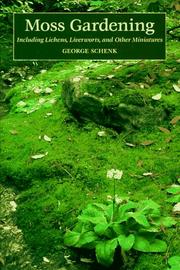
The definitive book on moss — its biology, cultivation, and aesthetic use. Reading this transforms how you select and maintain moss inside terrariums, giving you the science behind why moss thrives in closed, humid glass environments.

A modern, accessible companion to Schenk that covers moss propagation, moisture management, and design — directly applicable to moss terrariums and closed glass gardens.
Advanced Design: Artistic & Tropical Glass Gardens
ExpertDesign terrariums as intentional living art — incorporating tropical plants, hardscape (stone, wood, bark), and advanced compositional principles to create stunning, long-lived indoor glass gardens.
▸ Study plan for this stage
Pace: 6–8 weeks, ~25–30 pages/day, with 2–3 days per week dedicated to hands-on design and building projects
- Compositional principles for glass gardens: balance, focal points, layering, and negative space in confined ecosystems
- Tropical plant selection and pairing: understanding growth habits, humidity requirements, and aesthetic compatibility within terrariums
- Hardscape integration: strategic use of stone, wood, bark, and other materials to create visual interest and support plant health
- The Wardian Case as a historical and functional model: closed-system terrariums and their role in plant preservation and display
- Moisture management and microclimate control in sealed and semi-sealed glass gardens
- Long-term sustainability: designing terrariums that thrive for months or years through proper layering, drainage, and plant selection
- Artistic vision and intentionality: moving beyond basic terrariums to create living sculptures with deliberate aesthetic goals
- How do you apply compositional principles like balance, focal points, and layering to create visually compelling terrariums within a confined glass space?
- What are the key differences between open, semi-closed, and fully closed (Wardian Case-style) terrariums, and how does each affect plant selection and maintenance?
- How do you select and pair tropical plants based on their growth rates, humidity needs, and visual characteristics to ensure long-term harmony in a glass garden?
- What role do hardscape elements (stone, wood, bark) play in both the aesthetics and function of a terrarium, and how do you integrate them intentionally?
- How do you design a closed or semi-closed terrarium to maintain proper moisture balance and prevent common issues like mold or root rot?
- What makes a terrarium 'intentional living art' rather than simply a collection of plants in glass, and how do you plan and execute such a design?
- Study and sketch 5–10 terrarium designs from 'Miniature Terrariums,' analyzing their compositional structure, plant placement, and hardscape use; identify the focal point and balance strategy in each
- Design a detailed plan for a tropical glass garden on paper: choose a container type, select 4–6 tropical plants with complementary growth habits and visual qualities, and specify hardscape materials and placement
- Build a small open terrarium (6–8 inches) using tropical plants and hardscape, deliberately applying one compositional principle (e.g., asymmetrical balance or layered depth)
- Research and document the historical Wardian Case: read the relevant sections in 'Wardian Case' by Luke Keogh, then design a modern closed-system terrarium inspired by its principles
- Build a closed or semi-closed terrarium and monitor it for 4 weeks, tracking moisture levels, condensation patterns, and plant health; adjust as needed and document what you learn about microclimate management
- Create a mood board or visual reference collection for a specific terrarium aesthetic (e.g., tropical rainforest, minimalist zen, geological drama) and use it to guide a full-scale design and build
Next up: This stage equips you with the artistic vision, botanical knowledge, and technical skills to design terrariums as intentional living art, preparing you to advance into specialized applications such as commercial terrarium design, ecosystem-specific builds (desert, aquatic, moss-focused), or large-scale installation work.

Elevates terrarium-making into a design discipline, focusing on composition, scale, and the use of tropical and exotic plants in small glass containers — ideal for the learner ready to move beyond basic builds.

A fascinating deep dive into the history and science of enclosed plant cases, giving advanced practitioners a rich conceptual and horticultural framework for understanding why sealed glass gardens work — and how to push them to their full potential.
Discussion
Keep reading
Paths that share books, cover the same subject, or open a related topic.