The Best Books on Radio-Control Planes, in Order
This curriculum takes a complete beginner from zero knowledge of RC aviation all the way to confident, skilled flying and building — starting with the big picture and trainer selection, moving through hands-on construction and systems understanding, and finishing with advanced flight technique and aerobatics. Each stage builds the vocabulary, mental models, and physical skills needed for the next, so no step feels like a leap.
Foundations: The RC World & Choosing Your First Plane
BeginnerUnderstand how RC aircraft work, what the hobby involves, and how to choose the right trainer plane and radio system to get started safely and confidently.
▸ Study plan for this stage
Pace: 4–5 weeks, ~20–25 pages/day, with 2–3 days per week reserved for research, shopping, and hands-on exercises
- How RC aircraft differ from full-scale planes: control surfaces, power systems, and radio transmission fundamentals
- The four primary control axes (pitch, roll, yaw, thrust) and how transmitter sticks map to aircraft movement
- Trainer plane characteristics: high wing design, stable flight envelope, forgiving handling, and why they're ideal for beginners
- Radio system components: transmitter, receiver, servos, and ESC (electronic speed controller) and how they communicate
- Battery technology (NiMH vs. LiPo): safety, charging protocols, and performance trade-offs for beginner aircraft
- Pre-flight checks, basic aerodynamic principles, and the relationship between control input and aircraft response
- Selecting your first plane and radio system: matching skill level, budget, and learning goals to appropriate equipment
- Safety protocols: flying field etiquette, airspace awareness, and risk mitigation for solo and group flying
- What are the main differences between how an RC aircraft and a full-scale airplane control pitch, roll, and yaw?
- Explain the signal path from your transmitter stick input to the aircraft's control surface movement. What components are involved?
- Why are high-wing trainer planes recommended for beginners, and what flight characteristics make them forgiving?
- What is the role of the ESC (electronic speed controller) and how does it differ from a servo?
- Compare NiMH and LiPo batteries for RC aircraft: what are the advantages and disadvantages of each for a beginner?
- Describe a complete pre-flight checklist and explain why each step matters for safe flying.
- Visit a local RC flying field or club meeting and observe experienced pilots flying trainer planes; note the control inputs and aircraft responses you observe
- Disassemble (or examine) a used RC transmitter and receiver to identify and label each component; trace the signal path from stick to servo
- Research and compare three specific trainer plane models recommended in the book (e.g., Apprentice, Champ, or similar); create a comparison table with specs, price, and beginner suitability
- Practice the four control axes using a free RC flight simulator (e.g., RealFlight, FMS, or Liftoff) for 5–10 hours to build muscle memory before touching a real plane
- Build or assemble a simple RC plane kit (e.g., foam or balsa trainer) following the book's guidance; document each step and identify where control surfaces and radio components are installed
- Create a laminated pre-flight checklist card specific to your chosen trainer plane model; use it to inspect a borrowed or club aircraft under supervision
Next up: This foundation stage equips you with the knowledge to safely operate a trainer aircraft and understand how your inputs translate to flight; the next stage will deepen your piloting skills through progressive flight maneuvers and introduce intermediate aircraft types that demand more precise control and aeronautical awareness.
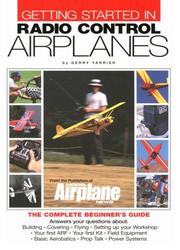
A focused, practical guide from an experienced RC pilot and editor that walks the new flyer through selecting a trainer, understanding radio gear, and joining a club — the perfect follow-up to cement beginner foundations.
Going Deeper: Aerodynamics, Design, and Aircraft Systems
IntermediateUnderstand the aerodynamic principles behind why planes fly, how wing design and CG affect handling, and how to diagnose and tune an aircraft for better performance.
▸ Study plan for this stage
Pace: 8–10 weeks, ~40–50 pages/day (Hurt: ~6 weeks for core chapters; Simons: ~3–4 weeks for application-focused sections)
- Lift generation: how airfoil shape, angle of attack, and airspeed create pressure differentials that produce lift
- Drag types: parasitic drag, induced drag, and their relationship to wing design and flight speed
- Center of gravity (CG) and center of pressure (CP): how their relative positions determine pitch stability and handling characteristics
- Wing design parameters: aspect ratio, planform shape, taper, and twist—and how each affects performance and handling
- Stall behavior: aerodynamic stall mechanics, warning signs, and how design choices influence stall characteristics
- Trim, balance, and control authority: how to achieve neutral trim and ensure control surfaces have sufficient effectiveness
- Model-specific aerodynamics: how principles from full-scale aircraft apply differently to small RC models, including Reynolds number effects
- Tuning and diagnosis: using flight behavior to identify aerodynamic problems and make design or setup corrections
- Explain how an airfoil generates lift and why angle of attack matters. What happens aerodynamically when angle of attack becomes too high?
- What is the difference between parasitic drag and induced drag? How does wing aspect ratio affect induced drag?
- Why is the relationship between center of gravity and center of pressure critical for aircraft handling? What happens if CG is too far forward or too far back?
- Describe how wing planform shape (rectangular vs. tapered vs. elliptical) influences both performance and handling characteristics in an RC model.
- How do you diagnose an aerodynamic problem (e.g., poor climb, wing drop, pitch instability) from flight behavior, and what design or trim changes would address it?
- What is Reynolds number, and why does it matter for model aircraft? How do low-Reynolds-number effects differ from full-scale aviation?
- Build a simple airfoil model (foam or cardboard) and use it to physically demonstrate how angle of attack changes pressure distribution; sketch pressure patterns at 0°, 5°, 15°, and 20° angles.
- Calculate the CG and CP for a specific RC aircraft design (using plans or your own model). Measure or estimate the positions and determine if the CG-to-CP margin is appropriate for the intended flight style.
- Fly a test aircraft and systematically document handling characteristics (pitch trim, roll tendency, stall behavior, climb rate). Then identify which aerodynamic factors likely explain each observation.
- Compare two wing designs (e.g., high aspect ratio vs. low aspect ratio, or rectangular vs. tapered planform) by calculating or estimating their induced drag and handling predictions, then test predictions in flight if possible.
- Perform a trim and balance exercise: adjust CG position in small increments (e.g., 1 cm forward/back) and document how pitch stability and control authority change with each adjustment.
- Analyze a stall event from your own flight experience or video: identify the angle of attack, airspeed, and any aerodynamic warning signs (buffeting, wing drop) and explain the physics behind what occurred.
Next up: This stage equips you with the aerodynamic theory and tuning skills to understand *why* aircraft behave as they do, preparing you to move into advanced topics such as advanced control techniques, high-performance flying, or specialized design challenges (e.g., thermal soaring, speed optimization, or scale realism).
Though written for full-scale pilots, this is the most respected plain-English aerodynamics text available and gives RC pilots a genuine understanding of lift, drag, stability, and control that no hobby-specific book matches.
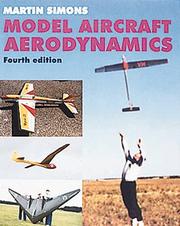
Bridges full-scale aerodynamic theory directly to model aircraft scale effects, airfoil selection, and stability — essential reading for anyone who wants to understand why their plane behaves the way it does.
Mastery: Sport Flying, Aerobatics, and Advanced Techniques
ExpertExpand skills into sport aerobatics, precision flying, and advanced aircraft types, and develop the judgment and situational awareness of a well-rounded, self-sufficient RC pilot.
▸ Study plan for this stage
Pace: 8–10 weeks, ~25–30 pages/day with 2–3 practice flights per week
- Fundamental aerobatic maneuvers (loops, rolls, spins, stalls) and their mechanics
- G-forces, load factors, and structural limits during aerobatic flight
- Energy management and altitude planning for continuous aerobatic sequences
- Aircraft setup and tuning for aerobatic performance (CG, control throws, rates)
- Precision flying techniques: smooth control inputs, coordination, and consistency
- Recovery procedures and emergency techniques for unusual attitudes
- Situational awareness and judgment in aerobatic flight planning and execution
- Building confidence and muscle memory through progressive skill development
- What are the primary forces acting on an aircraft during a loop, and how do load factors change throughout the maneuver?
- How does energy management differ between basic aerobatic sequences and continuous combinations, and why is altitude planning critical?
- What aircraft setup parameters (CG, control throws, servo rates) are most important for aerobatic flying, and how do they affect maneuver quality?
- Describe the proper recovery technique from a spin and explain why smooth, coordinated control inputs are essential in aerobatics.
- How can a pilot develop the judgment and situational awareness needed to fly safely and precisely in aerobatic conditions?
- What are the structural and performance limits of typical aerobatic aircraft, and how do you respect them during flight?
- Perform 10–15 practice flights focusing on one basic maneuver per session (loops, rolls, stalls); record video and review for smoothness and consistency.
- Set up a dedicated aerobatic aircraft following Szurovy's tuning recommendations; document CG, control throws, and servo rates; compare handling before and after adjustments.
- Practice energy management by flying continuous 3–5 maneuver sequences at different altitudes; calculate required altitude gain and refine planning.
- Conduct controlled stall and spin entries in a safe altitude band; practice recovery techniques until they become automatic.
- Fly precision patterns (figure-8s, circles, lines) at varying speeds and altitudes to develop muscle memory and smooth control inputs.
- Keep a flight log noting wind conditions, maneuver quality, energy state, and lessons learned; identify trends and areas for improvement over 8–10 weeks.
Next up: Mastery of foundational aerobatic mechanics and aircraft control from *Basic Aerobatics* establishes the technical and physical foundation needed to progress into competitive sport aerobatics, advanced freestyle sequences, and specialized aircraft types in subsequent stages.
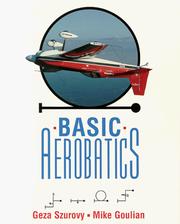
Although written for full-scale pilots, its clear breakdown of loops, rolls, spins, and sequences translates directly to RC aerobatics and gives the advancing RC pilot a structured, safe progression through maneuvers.
Discussion
Keep reading
Paths that share books, cover the same subject, or open a related topic.