Fountain pens look like a simple hobby until you try to buy your third one. Nibs, filling systems, materials, eras, and forgeries all matter, and the price of a mistake climbs fast in the vintage market. Beginners who buy before they read tend to overpay for common pens and miss the ones that hold value.
A sensible reading order separates using pens from collecting them, and separates modern enjoyment from historical scholarship. You start as a writer and enthusiast, build a reference library, then specialize into the brands and instruments that catch your eye. Each stage makes the next purchase smarter.
Learn to use and love them
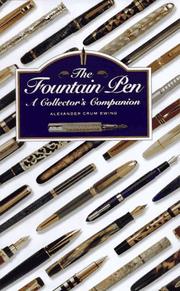
Begin with The Fountain Pen by Alexander Crum Ewing, an accessible overview of how these instruments work and why people fall for them. Then read The Pen Addict's Guide to Fountain Pens, Brad Dowdy's modern, practical companion for choosing pens, inks, and paper as an everyday writer. For context on the medium itself, Ink: The History of a Substance traces where the fluid in your pen actually comes from, which deepens how you think about the whole craft.
Build your reference shelf
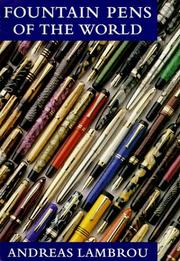
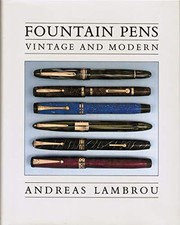
Once you know what you like, add authority. Fountain Pens of the World by Andreas Lambrou is a landmark illustrated reference, and his Fountain pens vintage and modern narrows the lens onto identification and value across eras. Round it out with The illustrated guide to antique writing instruments by Stuart L. Schneider, a broad visual survey that trains your eye for what you are actually holding.
Specialize and collect seriously
When you are ready to go deep, follow the brands and the discipline of collecting. Parker Pens: The History by Cliff Lawrence and The Montblanc Diary and Collector's Guide by Jens Rösler give you two of the most collected makers in exhaustive detail. Finish with Collecting writing instruments by Dietmar Geyer, which frames the hobby as a whole and helps you build a coherent collection rather than a drawer of impulse buys.
Read in this order and you stop guessing at pen shows and start recognizing what is in front of you. Follow the full path to collect with an eye trained by the best references in the field.
Follow the full reading path →
Ready to learn something deeply?
Build a reading path — free