Radio-control flying has a brutal learning curve because every mistake happens fast and far away. A beginner who buys a fast plane and heads to an open field usually returns with a bag of parts. The controls are counterintuitive when the plane flies toward you, and there is no reset button in the air.
A smart reading order trades crashes for knowledge. You start with the basics of flying and equipment, learn to build and maintain your aircraft, then finally understand the aerodynamics that let you fly with intention. Read in sequence and the hobby gets cheaper and far more rewarding.
Get in the air safely
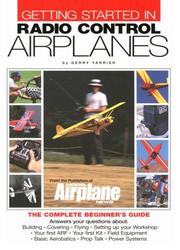
Begin with The Complete Idiot's Guide to Flying RC Planes by Tony Northrup, a genuinely beginner-friendly walkthrough of gear, first flights, and the habits that keep your model whole. Then read Getting Started in Radio Control Airplanes by Gerry Yarrish and The Basics of RC Flying, both of which reinforce setup, trimming, and early stick skills so your first sessions build confidence instead of wreckage. The Joy of Flying Radio Control Aircraft by Wolfgang Matt adds a master's perspective on developing as a pilot.
Build and power your aircraft
Once you can fly a trainer, take control of the hardware. RC Airplane Building Techniques by Gerry Yarrish teaches construction, repair, and setup so you are not helpless when something breaks. Electric Flight Basics by Paul Vliet demystifies motors, batteries, and props, the heart of nearly every modern model. Keep Radio Control Pilot's Handbook by Don Typond nearby as a practical reference for the questions that come up mid-project.
Understand real flight
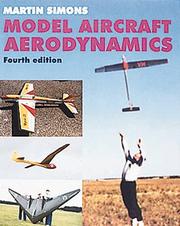
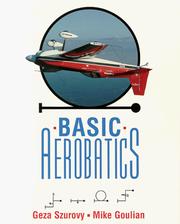
When flying and building feel routine, go deeper into why planes fly. Model Aircraft Aerodynamics by Martin Simons is the definitive text for the hobby, and aerodynamics for naval aviators by H.H. Hurt brings full-scale aviation rigor that sharpens your intuition. Finish with Basic aerobatics by Geza Szurovy to start flying maneuvers on purpose rather than by accident.
Read in this order and you spend your money on flying, not on repairs. Follow the full path to go from nervous first flights to confident, deliberate control.
Follow the full reading path →
Ready to learn something deeply?
Build a reading path — free