Sports cards are easy to buy and hard to buy well. Prices swing with the market, condition changes everything, and the difference between a common and a key card can be a single printing detail. Newcomers who jump in during a hot market often learn the expensive way that hype and value are not the same thing.
A good reading order grounds you in how the hobby actually works before it hands you price data, and it saves the history and cautionary tales for when you can appreciate them. You learn to buy and sell, to reference values, then to understand the forces that move the whole market. Each book makes you a steadier collector.
Learn the modern hobby
Start with The Complete Guide to Buying and Selling Sports Cards by Kyle Irvine, a practical, current overview of how transactions, grading, and condition really work today. It gives you the vocabulary and the guardrails so the rest of the path lands on solid footing rather than guesswork.
Reference values and vintage
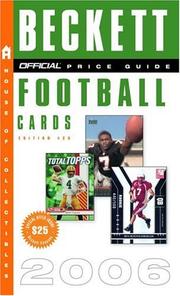
Once you understand the mechanics, add data. Beckett Baseball Card Price Guide and The Official Beckett Price Guide to Football Cards 2006 Edition are longtime standards for reading the market, and The Sport Americana Baseball Card Price Guide by James Beckett rounds out the pricing shelf. For older material, Standard Catalog Of Vintage Baseball Cards by Bob Lemke and The Encyclopedia of Baseball Cards, Volume 1 by Lew Lipset teach identification across the nineteenth and twentieth centuries. Collecting Sports Legends by Gary Engel adds a focused look at the star-driven corners of the hobby.
Understand the hobby's soul
When you can price and identify cards, read for perspective. The card by Michael O'Keeffe tells the gripping story of a single legendary card and the collectors around it, and Mint Condition by Dave Jamieson traces how cardboard went from bubble-gum throwaway to serious market. Together they give you the judgment to collect through the hype instead of chasing it.
Read in this order and you buy with knowledge instead of adrenaline. Follow the full path to build a collection you understand from the cardboard up.
Follow the full reading path →
Ready to learn something deeply?
Build a reading path — free