The Best Books on Fossil Hunting, in Order
This curriculum takes a complete beginner from their first fossil find to building a responsible, well-documented collection and understanding the science behind what they discover. The four stages move from field-ready basics, through identification and site knowledge, into the deeper paleontological science that transforms a hobbyist into a truly informed collector.
First Steps in the Field
BeginnerUnderstand what fossils are, how they form, and gain the practical knowledge to safely and legally go on your first fossil hunt.
▸ Study plan for this stage
Pace: 4–5 weeks, ~25–30 pages/day. Start with "Fossils for Kids" (approximately 1–2 weeks), then move to "The Practical Paleontologist" (approximately 2–3 weeks), allowing time for field observation and practice between reading sessions.
- What fossils are: preserved remains and traces of ancient organisms, and the difference between body fossils and trace fossils
- How fossils form: the major fossilization processes (permineralization, replacement, molds and casts, amber preservation) and the conditions required for fossil preservation
- Geological time and the rock record: how to read stratigraphy and understand relative dating through rock layers
- Identifying common fossils: recognizing shells, trilobites, ammonites, plant fossils, and other beginner-friendly specimens
- Safety and legal considerations: proper field etiquette, obtaining permissions, avoiding hazardous sites, and respecting protected areas
- Essential field tools and techniques: what equipment to bring, how to excavate carefully, proper specimen handling and labeling
- Where to hunt: identifying productive fossil sites, understanding geology to predict where fossils are likely to occur
- What is the difference between a body fossil and a trace fossil, and can you give examples of each?
- Describe at least three different fossilization processes and explain the conditions under which each occurs.
- Why are some rock layers more likely to contain fossils than others, and how does understanding stratigraphy help you find fossils?
- What are the key safety precautions and legal requirements you must follow before going on a fossil hunt?
- What tools should you bring on a fossil hunt, and what is the proper technique for carefully excavating and handling specimens?
- How would you identify a common fossil like a trilobite or ammonite in the field, and what features would you look for?
- Create a visual chart showing the major fossilization processes (permineralization, replacement, molds/casts, amber) with sketches or diagrams illustrating how each one preserves organisms.
- Visit a local museum or online collection and sketch or photograph 5–8 common fossils mentioned in the books, labeling their key identifying features.
- Research and document a fossil site near you (or a famous one if none are local): identify the rock types, geological age, and what fossils have been found there using geological maps and field guides.
- Assemble a field kit with the tools recommended in 'The Practical Paleontologist' and practice proper specimen handling, labeling, and storage techniques in a safe space.
- Read the geological map or stratigraphic column for your chosen fossil site and explain in writing why that location is likely to contain fossils based on rock type and age.
- Conduct a practice 'mini-dig' in a sandbox or soft material using proper excavation techniques described in the books, then clean, label, and catalog your findings as if they were real specimens.
Next up: This stage equips you with foundational knowledge of what fossils are, how they form, and how to safely conduct your first field expedition, preparing you to move into the next stage where you will refine identification skills, learn specialized techniques for different fossil types, and develop a deeper understanding of paleontological research methods.

A highly accessible, photo-rich introduction to what fossils are, how they form, and where to find them — perfect for building core vocabulary before anything else.

Covers the full beginner workflow — tools, fieldwork techniques, excavation, and basic preparation — giving new collectors a clear picture of the hobby end-to-end.
Finding and Identifying Your Finds
BeginnerLearn where specific fossils are found across different rock types and regions, and confidently identify common specimens from major fossil groups.
▸ Study plan for this stage
Pace: 4–5 weeks, ~40–50 pages/day. Start with Thompson's regional and rock-type organization (2–3 weeks), then move to Turek's global perspective and comparative identification (2 weeks). Allocate 2–3 days per week for field practice and specimen handling.
- Rock types (sedimentary, igneous, metamorphic) and their fossil-bearing potential—which rocks preserve which fossils
- Geographic distribution of major fossil groups across North America and globally—where to find trilobites, ammonites, brachiopods, etc.
- Morphological features of common fossil groups (shells, segmentation, symmetry, chamber patterns) that distinguish them in the field
- Stratigraphic context—how fossil age and rock layer relate to identification and collection location
- Preservation types (permineralization, replacement, molds, casts) and how they affect specimen appearance and identification
- Comparative anatomy across fossil groups—recognizing homologous structures to confirm identity
- Regional fossil assemblages and index fossils—using co-occurring species to date and locate productive sites
- What rock types are most likely to contain fossils, and why do sedimentary rocks dominate fossil records?
- Given a fossil specimen and a geographic region, how would you use Thompson's guide to narrow down its identity and verify it matches known North American occurrences?
- What are the key morphological differences between trilobites, ammonites, and brachiopods, and how would you distinguish them in the field?
- How do preservation types (casts, molds, permineralization) affect the appearance of a fossil, and why is understanding preservation important for accurate identification?
- Using Turek's global examples, explain how the same fossil group appears in different regions and time periods, and what that tells you about ancient environments.
- What is an index fossil, and how can identifying one help you date and understand the context of other fossils at your collection site?
- Create a regional fossil map for your state or province using Thompson's guide: mark known fossil-bearing rock formations, list the major fossil groups found in each, and identify 3–5 productive collecting sites within 50 miles of your location.
- Build a morphological identification key for 8–10 common North American fossils from Thompson (e.g., trilobites, ammonites, brachiopods, crinoids): sketch or photograph each, label key features, and practice identifying unlabeled images.
- Collect or obtain 5–10 real fossil specimens (or high-quality casts if originals are unavailable) and practice identifying each using Thompson's descriptions and illustrations; record location, rock type, and preservation type for each.
- Conduct a comparative study using both Thompson and Turek: select one fossil group (e.g., ammonites or brachiopods), document 3–4 North American examples from Thompson, then compare them to global examples in Turek and note geographic and temporal variations.
- Visit a local museum or university collection and examine fossils from your region; use Thompson to identify specimens and note which rock formations and time periods are represented—this grounds field guide knowledge in real material.
- Create a preservation-type reference sheet with sketches or photos: show examples of molds, casts, permineralization, and replacement from both guides, and practice identifying preservation type from specimen photos.
Next up: This stage equips you with the foundational skills to locate and identify common fossils in the field; the next stage will deepen your understanding of fossil ecology, evolution, and interpretation—teaching you to read the story that fossils tell about ancient life and environments.
A Natural History Museum guide that walks through habitats, geological formations, and what to expect to find in each — the essential bridge from 'how to look' to 'where to look.'
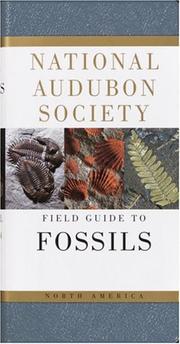
The go-to portable field reference for North American collectors, with photographs and descriptions of hundreds of species across all major fossil groups for on-the-spot identification.

Broadens identification skills beyond North America with a comprehensive photographic survey of fossil types worldwide, reinforcing pattern recognition across a wider range of specimens.
Building a Responsible Collection
IntermediateDevelop skills in specimen preparation, curation, documentation, and understand the legal and ethical responsibilities of fossil collecting.
Focuses specifically on the collector's craft — cleaning, labeling, storing, and cataloguing specimens — providing the practical framework for a well-maintained collection.
The Science Behind the Stones
ExpertUnderstand the paleontological and geological science underpinning fossil formation and evolution, elevating the collector's ability to interpret and contextualize every find.
▸ Study plan for this stage
Pace: 6–8 weeks, ~40–50 pages/day, with 2–3 days per week dedicated to review and exercises
- The transition from aquatic to terrestrial life: how fish evolved into tetrapods and the anatomical innovations required (limbs, lungs, necks, ears)
- The role of Tiktaalik and other transitional fossils as evidence of evolutionary intermediates bridging fish and amphibians
- Paleoenvironmental reconstruction: how to interpret ancient ecosystems, climate, and depositional settings from fossil assemblages and sedimentary rocks
- Comparative anatomy and homology: recognizing shared skeletal structures across vertebrate lineages as evidence of common ancestry
- The fossil record as an incomplete archive: understanding preservation bias, taphonomy, and gaps in the geological record
- Evolutionary timing and radiometric dating: how paleontologists establish the age of fossils and major transitions
- Functional morphology: inferring how extinct organisms moved, fed, and survived based on skeletal structure
- The integration of molecular and paleontological evidence in reconstructing evolutionary trees and timescales
- What anatomical features did early tetrapods develop to transition from water to land, and how do fossils like Tiktaalik demonstrate this transition?
- How does comparative anatomy reveal evolutionary relationships between fish, amphibians, and other vertebrates, and what is homology?
- What methods do paleontologists use to reconstruct ancient environments and ecosystems from fossil evidence?
- Why is the fossil record incomplete, and how do taphonomy and preservation bias affect our understanding of evolution?
- How do paleontologists date fossils and establish the timing of major evolutionary transitions?
- What can functional morphology tell us about how extinct organisms lived, and how do we infer behavior from skeletal remains?
- Create a detailed anatomical comparison chart tracking the evolution of limbs, skulls, and vertebral columns from fish through early tetrapods, noting which features appear in which species
- Sketch or annotate diagrams of Tiktaalik and other key transitional fossils, labeling fish-like and tetrapod-like features and explaining their functional significance
- Analyze a paleoenvironmental case study from the book (e.g., Devonian swamps): identify fossil assemblages, sedimentary clues, and infer climate, water depth, and ecosystem composition
- Practice reading stratigraphic columns: interpret rock layers, fossil positions, and depositional environments to build a timeline of environmental change
- Write a functional morphology analysis of a specific fossil organism: hypothesize how it moved, fed, and reproduced based on skeletal structure
- Compile a taphonomy worksheet: for a given fossil locality, identify which organisms are preserved, which are missing, and explain why (differential preservation, habitat bias, transport)
Next up: This stage equips you with the scientific framework—understanding how fossils form, how organisms evolve, and how to read the evidence in stone—preparing you to apply these principles to your own field observations and collection interpretation in subsequent stages.
A visually stunning and scientifically grounded survey of life through deep time, helping collectors place their specimens within the grand narrative of evolution and extinction.

A landmark work of paleontology tracing the vertebrate move onto land — reading a specialist deep-dive like this teaches collectors how scientists interpret fossil evidence and builds genuine scientific literacy.
Discussion
Keep reading
Paths that share books, cover the same subject, or open a related topic.