The Best Books on Comic Book Collecting, in Order
This curriculum takes a beginner comic book enthusiast from zero knowledge to expert collector, moving through four carefully sequenced stages: understanding the medium's history and culture, learning the mechanics of grading and valuation, mastering storage and preservation, and finally developing the advanced market instincts needed to build a truly valuable collection. Each stage builds the vocabulary and context required to get the most out of the next.
Foundations: The World of Comics
BeginnerUnderstand the history of comic books, the major publishers and eras (Golden, Silver, Bronze, Modern Age), and why certain issues became culturally and financially significant — giving you the 'why' behind collecting.
▸ Study plan for this stage
Pace: 8–10 weeks, ~40–50 pages/day (approximately 2–3 weeks per book with time for reflection and note-taking)
- The origins of comic books in the 1930s–1940s and how pulp magazines and newspaper strips evolved into the modern comic book format
- The Golden Age (1938–1950s): Superman, Batman, and the superhero boom that made comics a mass-market phenomenon
- The moral panic of the 1950s: Fredric Wertham's 'Seduction of the Innocent' and the Comics Code Authority's creation and impact on content
- The Silver Age (1956–1970s): Marvel's rise under Stan Lee and Jack Kirby, the introduction of flawed heroes, and the shift toward more sophisticated storytelling
- The Bronze Age (1970–1985) and Modern Age (1985–present): Darker, grittier narratives, independent publishers, and comics as serious literature
- Why specific issues became valuable: first appearances, key story arcs, cultural moments, and scarcity driving both collector demand and market prices
- The relationship between comic books and American culture: how comics reflected and shaped social attitudes, from WWII patriotism to civil rights and counterculture
- Publisher ecosystems: DC, Marvel, and the role of smaller publishers in diversifying the medium and challenging the mainstream
- How did comic books evolve from pulp magazines and newspaper strips, and what made the superhero format so commercially successful in the late 1930s and 1940s?
- What was Fredric Wertham's argument in 'Seduction of the Innocent,' and how did the resulting Comics Code Authority change the content and business of comics?
- How did Marvel's approach to superhero storytelling in the 1960s differ from DC's, and why did this shift make certain Silver Age issues highly collectible today?
- What cultural and historical events (WWII, the Cold War, civil rights, counterculture) are reflected in the comics of different eras, and how did these connections affect which issues became significant?
- Why do certain comic book issues command high prices in the collector's market? What factors beyond rarity determine value?
- How did the Bronze and Modern Ages challenge the Comics Code and mainstream publishers, and what role did independent publishers play in this evolution?
- Create a timeline of comic book eras (Golden, Silver, Bronze, Modern) with 3–5 landmark issues or events per era. For each, note the publisher, key creators, and why it mattered culturally or commercially.
- Read 2–3 actual Golden Age comics (e.g., Action Comics #1 or Detective Comics #27 facsimiles) and 2–3 Silver Age comics (e.g., Amazing Fantasy #15 or Fantastic Four #1). Write a 1–2 page reflection on how the storytelling, art, and tone differ, and connect your observations to the books' historical analysis.
- Research and document the price trajectory of 3 specific high-value issues (e.g., Action Comics #1, Amazing Fantasy #15, Incredible Hulk #181). For each, identify what made it significant and how its value has changed over time.
- Create a 'publisher map' showing DC, Marvel, and 2–3 independent publishers (e.g., Image, Dark Horse). For each, list 5 landmark titles and note how their editorial philosophies shaped the medium.
- Interview or survey 2–3 experienced comic book collectors (in person, online, or via email). Ask them: What got you started? What's in your collection? How do you decide what to buy? Summarize their answers and reflect on how their motivations align with the historical trends you've read about.
- Write a 2–3 page essay: 'Why Did [Specific Issue] Become Valuable?' Choose one high-profile comic (e.g., Action Comics #1, Watchmen #1, or X-Men #1) and explain its significance using evidence from all three books.
Next up: This stage establishes the historical and cultural foundations that explain *why* certain comics matter, preparing you to move into the next stage where you'll learn the practical skills of grading, authentication, pricing, and building a collection strategy based on this knowledge.
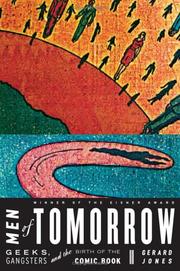
A deeply researched history of how comic books were born and the industry that shaped them — essential context for understanding why Golden and Silver Age books are so prized by collectors today.
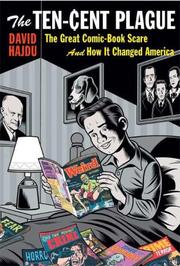
Covers the pivotal and turbulent era of the 1950s comics industry, including the censorship battles that directly shaped which books survived and which became scarce — scarcity being a core driver of value.
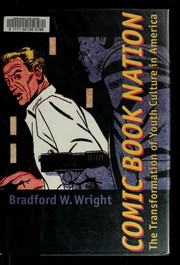
Provides a scholarly but accessible overview of comics across all major eras, giving the collector a mental map of the entire landscape before diving into specific issues and grades.
The Collector's Toolkit: Grading & Key Issues
BeginnerLearn the standardized language of comic book grading (from Poor to Gem Mint), identify key issues and first appearances, and understand how condition and significance combine to determine a book's value.
▸ Study plan for this stage
Pace: 4–5 weeks, ~40–50 pages/day (Grading Guide: 2–3 weeks; Price Guide: 2 weeks)
- The 10-point grading scale (Poor to Gem Mint) and how to assess condition defects (creases, tears, color fading, binding issues)
- The distinction between appearance grade and technical grade, and why both matter for valuation
- Key issues and first appearances: how to identify them and why they command premium prices
- The relationship between condition, rarity, and market value—how the Overstreet Price Guide reflects these factors
- How to use the Overstreet Price Guide to cross-reference grading data with pricing tiers
- Common grading terminology and abbreviations (VF, NM, CGC, etc.) used by collectors and dealers
- The impact of restoration, reprints, and variants on a book's grade and value
- What are the 10 grades on the Overstreet scale, and what specific defects define each grade boundary?
- How would you grade a comic with light creasing, minor color loss, and a small spine tick—and why?
- What makes a comic book a 'key issue,' and how do you identify first appearances using the Overstreet guides?
- Why does a near-mint first appearance command exponentially higher prices than the same book in fine condition?
- How do you use the Overstreet Price Guide to determine the fair market value of a specific comic in a given grade?
- What is the difference between a restored book and an unrestored book in terms of grading and value?
- Grade 5–10 comics from your own collection (or borrowed from a local shop) using the Overstreet Grading Guide's photo examples and defect checklists; write down your grade and reasoning for each
- Practice identifying key issues: select 10 random comics and research whether they are first appearances, origin issues, or significant variants using the Overstreet Price Guide's notes
- Create a comparison chart for one key issue (e.g., Amazing Fantasy #15) showing how price escalates across the 10 grades using the Overstreet Price Guide
- Visit a local comic shop or online marketplace and grade 3–5 comics listed for sale; compare your grades to the seller's claims and note discrepancies
- Build a personal inventory spreadsheet of 20 comics from your collection, recording title, issue #, grade (using Overstreet scale), and estimated value from the Price Guide
- Read the Overstreet guides' case studies on restoration and reprints; then examine 3 comics suspected of restoration and document the evidence
Next up: Mastering grading and key-issue identification equips you to evaluate your own collection's worth and spot undervalued finds, preparing you to move into sourcing strategies and building a focused collection with investment potential.
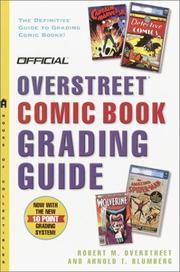
The industry-standard grading reference — every serious collector must speak this language fluently. Read this before any price guide so grades are meaningful, not just numbers.

The bible of comic book valuation, listing key issues, first appearances, and market prices by grade. After mastering grading terminology, this guide becomes a powerful research tool rather than an overwhelming list.
Care & Preservation: Protecting Your Investment
IntermediateMaster the practical science of storing, handling, and preserving comic books — including bags, boards, boxes, temperature, humidity, and professional pressing and pressing — so your collection retains and grows its value over time.
A practical, collector-focused guide covering the nuts and bolts of handling and preserving comics, bridging the gap between knowing what a book is worth and keeping it that way.
Advanced Collecting: Market Mastery & Building a Valuable Collection
ExpertDevelop expert-level instincts for navigating the comic book market — buying at shows, online auctions, and shops; understanding CGC certification; spotting undervalued keys; and building a collection with a coherent, appreciating strategy.
▸ Study plan for this stage
Pace: 4–5 weeks, ~40–50 pages/day (approximately 250–300 pages total); allocate 2–3 sessions per week for reflection and market research exercises
- Comic book history as a foundation for understanding market value and collectibility — recognizing which eras, publishers, and creators command premium prices
- How cultural and artistic movements shaped comic book production, influencing rarity and desirability of specific runs and editions
- The relationship between creative vision, commercial success, and long-term collection appreciation — identifying 'landmark' issues that define eras
- Narrative and thematic patterns across decades that signal which titles and storylines retain or gain collector interest
- The psychology of collecting: how nostalgia, artistic merit, and historical significance drive market demand and pricing
- Key turning points in comic history (Golden Age, Silver Age, Bronze Age, Modern Age) and how to spot undervalued gems within each period
- How Morrison's analysis of iconic characters and runs reveals what makes certain comics 'essential' versus disposable in the collector's eye
- What historical periods and creative movements does Morrison identify as pivotal in comic book evolution, and how do these correlate with current market values?
- How does understanding a comic's cultural and artistic context help you identify undervalued keys that may appreciate over time?
- Which specific runs, creators, or storylines discussed in Supergods are considered foundational to the medium, and why do collectors prioritize them?
- How can you distinguish between comics that have temporary hype versus those with enduring cultural significance that justifies long-term investment?
- What patterns does Morrison reveal about which characters, publishers, or eras have proven resilient in the collector market?
- How does the relationship between artistic innovation and commercial reception inform your strategy for building a coherent, appreciating collection?
- Create a timeline of the major eras Morrison discusses (Golden Age through Modern Age), annotating which key issues and runs he highlights; cross-reference these with current market prices on CGC census data and auction results to identify which have appreciated and why
- Select 3–5 'landmark' storylines or runs Morrison emphasizes (e.g., specific Superman, Batman, or X-Men arcs); research their original publication prices, current market values, and collector demand; write a brief analysis of what drove appreciation
- Attend a local comic book show or browse online auctions (eBay, Heritage Auctions) and identify 5 comics from the eras Morrison discusses; evaluate whether they are undervalued based on his historical context and current market trends
- Build a 'collection thesis' document: define 3–4 coherent collecting strategies (e.g., 'Golden Age Superman keys,' 'Bronze Age X-Men runs,' 'Underrated indie publishers') informed by Morrison's analysis; justify each with historical and market reasoning
- Interview 2–3 experienced collectors or dealers about which Morrison-discussed eras and creators they believe are undervalued; document their insights and compare against your own market research
- Curate a personal 'wish list' of 10–15 comics spanning different eras Morrison covers; research their CGC grades, pricing tiers, and availability; develop a realistic acquisition strategy (priority, budget, timeline)
Next up: By grounding your market instincts in comic book history and cultural significance, you'll be equipped to move into the next stage — where you'll apply this contextual knowledge to hands-on valuation techniques, CGC certification strategy, and tactical buying at shows and auctions.

Written by one of comics' greatest writers, this book deepens a collector's understanding of why certain characters and runs matter culturally, sharpening the instinct for which books will endure in value and significance.
Discussion
Keep reading
Paths that share books, cover the same subject, or open a related topic.