Mocktails: The Best Books on Non-Alcoholic Cocktails
This curriculum takes a beginner from zero-proof basics all the way to advanced craft techniques like house-made syrups, shrubs, fermented sodas, and non-alcoholic spirit substitutes. Each stage builds on the last — starting with inspiration and flavor intuition, moving through core techniques, and finishing with professional-level creativity and the science behind balanced drinks.
Foundations & Inspiration
BeginnerUnderstand what makes a great mocktail, develop a flavor vocabulary, and get excited about zero-proof drinking as a serious craft.
▸ Study plan for this stage
Pace: 2–3 weeks, ~20–25 pages/day (approximately 150–180 pages total)
- The five fundamental flavor categories (sweet, sour, bitter, herbal, and spicy) and how they balance in mocktails
- The role of texture, carbonation, and mouthfeel in creating sophisticated zero-proof drinks
- How to build flavor layers using fresh ingredients, syrups, bitters, and non-alcoholic spirits
- The difference between simple mixology techniques (muddling, shaking, stirring) and how they affect final flavor
- Seasonal and ingredient-driven approaches to mocktail creation
- The cultural and social significance of mocktails as a serious craft, not just alcohol-free substitutes
- What are the five core flavor categories Licalzi emphasizes, and how do they work together to create balance in a mocktail?
- How does carbonation and texture contribute to the overall experience of drinking a mocktail?
- What are three key techniques (muddling, shaking, stirring) and when should you use each one?
- How do fresh, seasonal ingredients elevate a mocktail beyond basic juice-and-syrup combinations?
- What is the difference between a mocktail and a non-alcoholic beverage, according to Licalzi's philosophy?
- Name at least three recipes from the book and explain the flavor balance in each one.
- Taste-test exercise: Prepare three versions of the same mocktail recipe (one with extra citrus, one with added bitters, one with reduced sweetness) and identify how each flavor adjustment changes the overall balance
- Create a personal flavor vocabulary journal: After reading each chapter, write down 5–10 flavor descriptors you've learned and match them to ingredients mentioned in Licalzi's recipes
- Hands-on technique practice: Master muddling, shaking, and stirring by preparing 2–3 recipes from the book, focusing on how each technique affects the final drink
- Seasonal ingredient exploration: Visit a farmers market or grocery store and select 3–4 seasonal ingredients, then design your own mocktail using Licalzi's flavor-balancing principles
- Recipe analysis: Choose three recipes from 'Mocktail Party' and break down their flavor profiles (sweet/sour/bitter/herbal/spicy ratios) in writing
- Host a tasting session: Prepare 2–3 mocktails from the book for friends or family and guide them through identifying the flavor layers and techniques used
Next up: This foundation in flavor theory, ingredient knowledge, and basic techniques equips you to move into the next stage—whether that's mastering advanced flavor combinations, exploring non-alcoholic spirits in depth, or learning how to adapt classic cocktail recipes into sophisticated mocktails.

A practical, beginner-friendly recipe collection that builds confidence with approachable ingredients and clearly explains why each component is chosen — perfect for a first hands-on experience.
Core Techniques: Syrups, Shrubs & Infusions
BeginnerMaster the fundamental building blocks of zero-proof drinks — simple syrups, flavored syrups, shrubs, and cold infusions — so every recipe can be made from scratch.
▸ Study plan for this stage
Pace: 2–3 weeks, ~25–30 pages/day, with 2–3 days per week dedicated to hands-on practice
- The history and cultural significance of shrubs as a preservation and flavor technique
- The chemistry of vinegar-based shrubs: how acid, sugar, and fruit interact to create balanced flavor
- The difference between fruit shrubs, herb shrubs, and spice shrubs, and when to use each
- The two primary shrub-making methods: cold-infusion (maceration) and hot-infusion, and their flavor outcomes
- How to balance sweetness, acidity, and fruit intensity in shrub recipes
- The role of shrubs as modular building blocks in zero-proof cocktails and mixed drinks
- Proper storage, shelf life, and safety considerations for homemade shrubs
- Flavor pairing principles: how to select complementary fruits, herbs, and spices for custom shrub creation
- What is a shrub, and how does its vinegar base distinguish it from other syrups and infusions used in cocktails?
- Explain the chemistry behind why vinegar, sugar, and fruit work together in a shrub. What role does each ingredient play?
- What are the main differences between cold-infusion and hot-infusion methods for making shrubs, and when would you choose one over the other?
- How do you know when a shrub is properly balanced in terms of sweetness, acidity, and fruit flavor?
- Describe at least three different types of shrubs (by primary ingredient or flavor profile) and give an example of how each would be used in a mocktail
- What are the key storage and safety guidelines for homemade shrubs, and how long can they typically last?
- Make a classic fruit shrub (e.g., strawberry or raspberry) using the cold-infusion method, tasting at each stage to understand how flavors develop over time
- Create a hot-infusion shrub with herbs (e.g., basil or mint) and compare the flavor profile to a cold-infusion version of the same base
- Develop a custom shrub by selecting a fruit, herb, and spice combination based on flavor pairing principles; document your ratios and tasting notes
- Prepare three different shrubs and use each one to create a simple zero-proof drink (e.g., shrub + sparkling water + citrus), evaluating how the shrub functions as a building block
- Conduct a side-by-side tasting of shrubs with varying sugar-to-vinegar ratios to identify your preferred balance point and understand how ratios affect flavor
- Bottle and label a batch of shrub, then monitor its appearance, aroma, and taste over 2–4 weeks to observe how it evolves and confirm proper storage conditions
Next up: This stage equips you with the foundational shrub-making skills and flavor-balancing intuition needed to move into other essential zero-proof building blocks—simple syrups, infused syrups, and cold infusions—which will expand your toolkit for creating complex, layered mocktails.

The definitive guide to shrubs (drinking vinegars), which are a cornerstone of complex, alcohol-free cocktails; reading this first gives you the acid-balance intuition needed for everything that follows.
Craft Mocktail Building
IntermediateApply techniques to build balanced, layered zero-proof cocktails with proper structure — understanding sweetness, acidity, bitterness, and dilution as a bartender would.
▸ Study plan for this stage
Pace: 4–5 weeks, ~25–30 pages/day with 2–3 days per week dedicated to hands-on practice
- Flavor balance in zero-proof cocktails: sweetness, acidity, bitterness, and how they interact without alcohol as a structural component
- Dilution and temperature control as primary tools for mouthfeel and integration in mocktails, replacing alcohol's role
- Layering techniques and visual presentation to create depth and sophistication in non-alcoholic drinks
- Ingredient selection and substitution: syrups, bitters, citrus, herbs, and spices that replicate complexity found in traditional cocktails
- Structural frameworks from 'The Art of the Shim' for building balanced drinks (base, modifier, accent model)
- Seedlip's philosophy of distilled botanicals and their application to create spirit-like complexity without alcohol
- Proper technique: shaking, stirring, straining, and chilling to achieve professional-quality texture and temperature
- Tasting methodology: how to evaluate balance, identify what's missing, and adjust recipes systematically
- How do you balance sweetness, acidity, and bitterness in a zero-proof cocktail, and what role does each component play?
- What is the relationship between dilution, temperature, and mouthfeel in mocktails, and how do you control these variables?
- Describe the base-modifier-accent framework from 'The Art of the Shim' and apply it to design an original balanced mocktail.
- How do Seedlip's distilled botanicals function as a spirit substitute, and what other ingredients can serve similar structural roles?
- What tasting and adjustment techniques would you use to identify and fix an unbalanced mocktail?
- How does layering—both visually and in flavor—enhance the perceived sophistication of a non-alcoholic cocktail?
- Read 'The Art of the Shim' and map out Dinah Sanders' framework for mocktail structure; create a one-page reference guide of her base-modifier-accent model with 5 example drinks from the book
- Taste and deconstruct 3 recipes from 'The Art of the Shim': identify the sweetness level, acid source, bitter element, and dilution ratio in each; write tasting notes
- Read 'Seedlip Cocktails' and document how Seedlip uses botanical distillates; compare 3 Seedlip recipes to 3 from 'The Art of the Shim' in terms of flavor architecture
- Build 5 original mocktails using the base-modifier-accent framework, varying sweetness and acid ratios; taste side-by-side and adjust one recipe twice based on balance feedback
- Practice dilution control: prepare the same mocktail recipe at 3 different dilution levels (light, medium, heavy stir/shake); taste and document how mouthfeel and integration change
- Create a layered mocktail (visual and flavor) using techniques from both books; photograph and describe the layering strategy and how it affects the drinking experience
Next up: This stage equips you with the fundamental techniques and flavor-balancing principles needed to advance to specialized mocktail applications—whether exploring seasonal ingredients, advanced garnishing, or adapting classic cocktail recipes into zero-proof versions with full complexity.
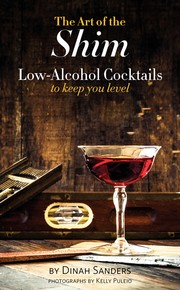
Focuses specifically on low- and no-alcohol drinks with a bartender's eye for balance and structure, bridging the gap between simple recipes and truly craft-level mocktails.

Written by the founder of the most influential non-alcoholic spirit brand, this book teaches how to use distilled non-alcoholic spirits as a base and think about zero-proof drinks with the same complexity as classic cocktails.
Advanced Craft & Flavor Science
ExpertUnderstand the deeper science of flavor, balance, and drink design — enabling the learner to create original zero-proof recipes rather than just follow existing ones.
▸ Study plan for this stage
Pace: 8–10 weeks, ~40–50 pages/day (alternating between books: 2–3 weeks on The Flavor Bible, then 3–4 weeks on Liquid Intelligence, then 2–3 weeks reviewing and synthesizing both)
- Flavor pairing principles: understanding complementary, contrasting, and bridge flavors across ingredients and how they apply to zero-proof drinks
- The science of taste perception: how sweetness, acidity, bitterness, umami, and mouthfeel interact in beverage design
- Extraction and infusion techniques: controlling flavor intensity and complexity through steeping, maceration, and distillation methods
- Balance and proportion: how to scale and adjust flavor components to achieve harmony in original recipes without relying on alcohol as a structural element
- Sensory evaluation and flavor mapping: using systematic tasting and documentation to understand and predict flavor outcomes
- Advanced techniques from Liquid Intelligence: clarification, carbonation, temperature control, and molecular gastronomy applications in mocktail creation
- Recipe development methodology: translating flavor science into repeatable, scalable zero-proof formulas
- How do complementary and contrasting flavor pairings differ, and how would you apply each principle to design an original zero-proof cocktail?
- Explain the role of acidity and sweetness balance in a mocktail and how you would adjust these elements if a recipe tasted flat or cloying.
- What extraction and infusion methods from The Flavor Bible would you use to create a unique herbal or spice-forward base for a mocktail, and why?
- Describe how you would use sensory mapping and systematic tasting notes to develop and refine an original zero-proof recipe.
- How do advanced techniques like clarification or carbonation (from Liquid Intelligence) enhance flavor perception and mouthfeel in a mocktail?
- Design a zero-proof cocktail from scratch using flavor pairing principles and explain your ingredient choices and proportions.
- Create a personal flavor pairing matrix: select 8–10 base ingredients (fruits, herbs, spices, botanicals) and document which flavors complement or contrast with each other using The Flavor Bible's pairing logic; test 3–4 pairings in simple syrups or infusions.
- Conduct a systematic tasting exercise: prepare three versions of the same mocktail base with varying acidity (lemon juice, lime juice, vinegar) and sweetness levels; document sensory notes and identify the optimal balance point.
- Develop an infusion or extraction: choose one botanical or spice and create 2–3 versions using different steeping times, temperatures, or solvents (water, simple syrup, vinegar); compare flavor intensity and complexity.
- Recipe reverse-engineering: select an existing zero-proof cocktail, analyze its flavor components using The Flavor Bible principles, identify what makes it work, then create a variation by swapping one complementary or contrasting ingredient.
- Apply Liquid Intelligence techniques: clarify a fruit juice or herbal infusion using the methods described in the book, then taste the original vs. clarified version and document how clarity affects flavor perception.
- Design and document an original zero-proof cocktail recipe: write a full formula (ingredients, proportions, technique), explain your flavor pairing rationale, test it with 2–3 variations, and refine based on tasting notes.
Next up: This stage equips you with the scientific foundation and hands-on methodology to create original, balanced zero-proof recipes; the next stage will likely focus on scaling these recipes for service, menu development, or teaching others to apply these same principles in professional or home settings.
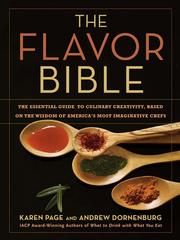
An essential reference that maps flavor affinities between hundreds of ingredients; at this stage it empowers the learner to invent original mocktail recipes by understanding what naturally pairs well.

A deep dive into the science of cocktail-making — carbonation, clarification, texture, and temperature — whose techniques translate directly to elevating zero-proof drinks to a professional level.
Discussion
Keep reading
Paths that share books, cover the same subject, or open a related topic.