Mix world-class cocktails at home
This curriculum takes a beginner from zero bar knowledge to genuine craft-cocktail mastery in four tightly sequenced stages. Each stage builds on the last: you first learn the language and tools, then internalize the classic canon, then develop the palate and balancing instincts that separate good drinks from great ones, and finally explore the creative and professional techniques that elevate a home bar to an art form.
Foundations: Tools, Technique & First Drinks
BeginnerUnderstand bar equipment, core techniques (shaking, stirring, straining), basic spirit categories, and how to make simple, well-known cocktails confidently.
▸ Study plan for this stage
Pace: 3–4 weeks, ~20–25 pages/day; read each chapter once for comprehension, then re-read the technique sections while standing at your home bar to connect the text to physical practice
- Bar tool identification and purpose — Morgenthaler walks through every essential piece of equipment (jiggers, shakers, strainers, bar spoons, muddlers, citrus presses) and explains *why* each exists, not just what it looks like
- Precise measurement & the jigger mindset — the book's central argument is that consistency comes from measuring every pour, every time; internalize the habit before building speed
- The four core techniques — shaking, stirring, straining, and building; understand when each is appropriate (e.g., shaking dilutes and aerates, stirring chills without cloudiness) and how to execute each correctly
- Ice as an ingredient — Morgenthaler treats ice as a first-class cocktail component; learn how ice shape, density, and quantity affect dilution, temperature, and texture
- The six base spirit categories — gin, whiskey (bourbon & rye), rum, tequila/mezcal, vodka, and brandy; grasp their defining flavor profiles so you can predict how they behave in a recipe
- Citrus & fresh juice — the book stresses freshly squeezed juice as non-negotiable; understand why bottled juice fails and how to prep citrus efficiently for a session
- The classic cocktail template — spirit + modifier + acid/sweetener + garnish; recognize this structure in every recipe so you can read any cocktail formula intelligently
- Mise en place for the home bartender — how to prep, organize, and clean your workspace before and after a session, building professional habits from day one
- What is the functional difference between a cobbler shaker and a Boston shaker, and which does Morgenthaler recommend and why?
- When should you stir a cocktail instead of shake it, and what physical outcome does each technique produce in the finished drink?
- Why does Morgenthaler insist on using a jigger for every pour, even for experienced bartenders?
- How does ice density and surface area affect dilution rate, and what does that mean for choosing the right ice for a given drink?
- What are the defining flavor characteristics of at least four of the six base spirit categories covered in the book?
- What is the role of fresh citrus juice in cocktail balance, and what happens to a drink's flavor when bottled juice is substituted?
- Tool scavenger hunt: Before reading Chapter 1, inventory your kitchen for any items that double as bar tools (a fine-mesh strainer, a measuring cup, a mixing glass). After finishing the equipment chapter, build a prioritized shopping list of the three tools Morgenthaler considers most essential and acquire them before moving on.
- Technique drill — shake vs. stir: Make the same simple two-ingredient template (e.g., a spirit + a sweetener) twice in the same session — once shaken, once stirred. Taste them side by side and write two or three sentences describing the textural and temperature differences you notice.
- Jigger accuracy challenge: For one full week, measure every liquid you pour in the kitchen — not just cocktails — using a jigger. This builds the muscle memory Morgenthaler describes as the foundation of consistency.
- Ice experiment: Make one drink with a single large ice cube and the same drink with crushed ice. Time how long each takes to reach the same temperature and note the dilution difference by tasting at the 1-minute and 3-minute marks.
- First cocktail milestone — make five classics: Using only recipes from *The Bar Book*, prepare a Daiquiri, a Whiskey Sour, a Negroni, a Old Fashioned, and a Gimlet on five separate occasions. After each, score yourself on balance (too sweet? too sour? too boozy?) and note one adjustment you would make next time.
- Citrus prep session: Juice six limes and six lemons by hand, then measure the yield. Compare the flavor of the fresh juice to a bottled equivalent side by side. Write down what you observe — this exercise makes Morgenthaler's argument for fresh juice visceral and unforgettable.
Next up: Mastering the equipment, measurement discipline, and classic templates in *The Bar Book* gives you a reliable technical baseline — the next stage can build directly on that foundation by introducing more complex flavor theory, original recipe construction, and a wider repertoire of spirits and modifiers.

The single best technique-first book for beginners — it teaches the 'why' behind every action (ice, dilution, citrus, carbonation) before asking you to follow a recipe, building durable intuition from day one.
The Classic Canon: History, Recipes & the Cocktail Bible
BeginnerLearn the definitive recipes and stories of the 100+ essential classic cocktails, understand their families and templates, and build a mental map of the entire canon.
▸ Study plan for this stage
Pace: 10–12 weeks total: Week 1–3 — "The Joy of Mixology" (~25–30 pages/day, including re-reading Regan's family/template chapters); Week 4–7 — "The Savoy Cocktail Book" (~30–35 pages/day, treating it as both a recipe reference and a historical artifact); Week 8–12 — "Imbibe!" (~20–25 pages/day, reading s
- Cocktail Families & Templates (Regan's taxonomy): understanding how sours, highballs, duos, trios, and other families share a structural DNA that makes hundreds of recipes learnable as variations on a handful of templates
- The Ratio Principle: Regan's insistence that balance — not exact measurements — is the true skill, and how the spirit:modifier:acid:sweetener ratio underpins nearly every classic drink
- The Savoy as a Historical Snapshot: Craddock's 1930 compendium as a primary source capturing the pre-Prohibition and early cocktail-bar golden age, including now-obscure ingredients and techniques that reveal how the canon evolved
- Cocktail Genealogy & the 'Ur-Cocktail': Wondrich's argument in Imbibe! that the Old Fashioned / original 'cocktail' (spirit + sugar + bitters + water) is the ancestor of the entire canon, and how tracing lineage clarifies why drinks taste the way they do
- The Big Six Base Spirits and their Classic Vehicles: how whiskey, gin, rum, brandy, tequila, and vodka each anchor distinct families of classics covered across all three books
- Bitters as a Defining Ingredient: from Wondrich's deep dive into Angostura, Peychaud's, and orange bitters to their practical role in Regan's templates and Craddock's recipes
- The Role of Ice, Dilution & Technique: shaking vs. stirring as a flavor and texture decision (not just a preference), and how Regan's and Craddock's instructions encode technique into the recipe itself
- Reading a Recipe Critically: cross-referencing the same drink across all three books (e.g., the Martini, the Daiquiri, the Manhattan) to see how proportions, garnishes, and even names shifted across eras
- After reading Regan, can you name at least five cocktail families, give a template ratio for each, and cite two classic examples per family from the book?
- The Savoy Cocktail Book was published in 1930 — what does this date tell you about the ingredient availability, spirit styles, and cultural context reflected in Craddock's recipes, and how does that affect how you'd recreate them today?
- Wondrich traces the word 'cocktail' to a specific early definition involving four elements. What are those four elements, and which modern classic drink most purely embodies that original definition?
- Pick any three drinks that appear in both The Savoy Cocktail Book and The Joy of Mixology. How do the proportions or techniques differ, and what does that tell you about how the recipe evolved?
- How does Regan's family/template system change the way you memorize recipes — and can you reconstruct a Whiskey Sour, a Gimlet, and a Negroni from their shared templates without looking them up?
- Based on all three books, what role did American Prohibition (1920–1933) play in shaping the classic cocktail canon, and which specific drinks or trends in the Savoy and Imbibe! reflect that disruption?
- The Template Drill (Regan-based): Each week, pick one cocktail family from The Joy of Mixology, write out its template ratio, then make three drinks from that family back-to-back on the same evening — tasting them side-by-side to feel the template in action rather than just reading it.
- The Savoy 30-Drink Challenge: Over your 4-week Savoy read, select 30 recipes spread across the book (not just the famous ones) and make at least 10 of them, prioritizing drinks that use ingredients you already own. Annotate each recipe in your journal: what worked, what tasted dated, what you'd adjust.
- The Cross-Book Comparison: Choose five canonical drinks (suggested: Martini, Manhattan, Daiquiri, Old Fashioned, Sidecar) and find each one in every book that includes it. Make each version as written, then write a one-paragraph 'recipe biography' for each drink documenting how it changed.
- The Lineage Map (Wondrich-inspired): After finishing Imbibe!, draw a hand-written family tree on a single large sheet of paper starting from the original 'cocktail' (spirit/sugar/bitters/water) and branching outward to at least 20 classic drinks, annotating each branch with the ingredient or technique change that created the new drink.
- The Blind Template Test: Have a friend name any classic cocktail from the three books. Without looking it up, identify its family, recite the approximate ratio, name the base spirit, and describe the correct technique (shake or stir, and why). Repeat until you can do 20 drinks confidently.
- The Ingredient Inventory Audit: Using Regan's families and Craddock's ingredient lists as a guide, build a 'classic canon starter kit' — a written shopping list of the ~15 spirits, ~8 liqueurs, and ~4 bitters that would let you make at least 80% of the drinks across all three books. Price it out and prioritize by which ingredients unlock the most recipes.
Next up: Mastering the classic canon's recipes, ratios, and histories gives you a stable reference point — a 'what correct tastes like' — so that the next stage, which focuses on ingredients, spirits production, and flavor science, transforms from abstract chemistry into a direct explanation of why every classic drink in these three books is built the way it is.
Regan's 'cocktail families' framework is the most useful organizing principle in bartending literature — reading it now lets you see every classic as part of a logical system rather than an isolated recipe.

The canonical 1930 source text of the classic cocktail canon; after Regan's framework, you can now read Craddock's hundreds of recipes with real comprehension and historical context.
Wondrich's meticulous history of Jerry Thomas and 19th-century American cocktail culture gives the canon deep roots, explaining why certain flavor combinations became timeless standards.
Balance & the Palate: Flavor, Spirits & Ingredients
IntermediateDevelop a calibrated palate, understand how spirits are made and how that shapes flavor, and learn to balance sweetness, acidity, bitterness, and dilution by taste rather than by rote.
▸ Study plan for this stage
Pace: 10–12 weeks total: Weeks 1–4 — Cocktail Codex (~25–30 pages/day, including re-reading the root-cocktail chapters); Weeks 5–8 — The Drunken Botanist (~20–25 pages/day, reading thematically by ingredient category); Weeks 9–11 — Bitters (~20 pages/day); Week 12 — review, tasting sessions, and synthesis
- The six 'root cocktails' framework from Cocktail Codex (Old Fashioned, Daiquiri, Sidecar, Whiskey Highball, Flip, and Martini) as templates for understanding every cocktail's structural DNA
- The interplay of the four taste pillars — sweetness, acidity, bitterness, and dilution — and how adjusting any one element shifts the perceived balance of the others
- How production methods (distillation, aging, fermentation base) shape a spirit's flavor profile and therefore its role in a cocktail's architecture, as explored throughout Cocktail Codex
- Botanical sourcing and plant biology as the origin of flavor: how the same plant genus can yield wildly different flavor compounds depending on part used, terroir, and processing, per The Drunken Botanist
- The historical and functional role of bitters as a seasoning agent — not merely a garnish — and how a few dashes can shift balance, add complexity, and bridge disparate ingredients, per Bitters
- Dilution as an active ingredient: how ice type, stirring time, and shaking technique change texture, temperature, and perceived sweetness and alcohol
- Developing a tasting vocabulary and a repeatable sensory evaluation process rather than relying on fixed recipes
- The concept of 'template thinking': using a root structure to improvise, substitute, and create original drinks with predictable balance
- Using the Cocktail Codex root-cocktail framework, which root does a Negroni belong to, and what are the three structural components that define that root?
- If a Daiquiri tastes flat and one-dimensional, which of the four taste pillars is most likely out of balance, and what adjustments — drawn from Cocktail Codex's balancing principles — would you try first?
- After reading The Drunken Botanist, explain how the same botanical (e.g., juniper, citrus peel, or vanilla) can produce dramatically different flavor outcomes depending on whether it is used fresh, dried, distilled, or macerated.
- How does Amy Stewart's exploration of fermentation feedstocks (grains, sugarcane, agave, fruit) in The Drunken Botanist connect to the flavor differences you observe between, say, a blanco tequila and a London Dry gin in a cocktail?
- According to Bitters by Brad Thomas Parsons, what distinguishes aromatic bitters from other bitters styles (e.g., citrus, herbal, mole), and how would you choose between them when seasoning a spirit-forward cocktail versus a sour?
- How does dilution — as discussed across Cocktail Codex — function differently in a stirred cocktail versus a shaken one, and what sensory cues tell you a drink is properly diluted?
- Root-cocktail mapping drill (Cocktail Codex): Build all six root cocktails back-to-back in a single session using the spec ratios in the book. Taste each one analytically — write tasting notes identifying the dominant pillar (sweet, sour, bitter, spirit-forward) before reading the chapter's explanation, then compare your assessment to Day's.
- Substitution riffs using the root framework: Take the Daiquiri root and build three versions swapping only the base spirit (white rum → reposado tequila → calvados). Keep sweetener and acid identical. Document how the spirit's production method (as described in Cocktail Codex and The Drunken Botanist) changes the perceived balance and whether you need to adjust ratios.
- Botanical flavor-tracing exercise (The Drunken Botanist): Choose five botanicals Stewart covers (e.g., juniper, wormwood, gentian, cacao, citrus peel). Taste each in at least two forms — once in a commercial product that features it prominently, once as a raw or dried ingredient. Write a sensory bridge: how does the raw plant flavor translate (or not) into the finished spirit?
- Bitters seasoning experiment (Bitters): Make a base Old Fashioned with bourbon, sugar, and no bitters. Divide into four small portions and add a different bitters style to each (aromatic, orange, mole/chocolate, herbal). Taste blind if possible. Use Parsons's flavor descriptions as a reference to identify which bitters you're tasting, and note how each shifts the drink's balance.
- Dilution control test: Stir the same Manhattan recipe to three different endpoints — 20 seconds, 40 seconds, and 60 seconds of stirring. Taste side by side and record changes in perceived sweetness, alcohol heat, and texture. Calibrate your personal 'done' cue against the principles in Cocktail Codex.
- DIY bitters tincture (Bitters): Follow one of Parsons's foundational bitters recipes (e.g., his aromatic or citrus bitters). Keep a log of each botanical addition, its source plant (cross-reference with The Drunken Botanist), and your sensory impression at each stage. Use the finished bitters in a cocktail from the Cocktail Codex root framework and evaluate whether it achieves the balance Parsons
Next up: Mastering balance and the palate here — understanding why a drink works at the structural and sensory level — sets the foundation for the next stage, where the focus shifts from correcting and replicating to confidently creating: original recipe development, building a home bar program, and exploring advanced techniques like fat-washing, clarification, and batching.
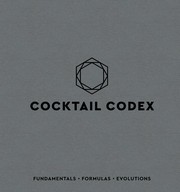
The Death & Co team reduces every cocktail to six 'root' templates, teaching you to diagnose and fix imbalance in any drink — the most important intermediate leap from recipe-follower to intuitive bartender.
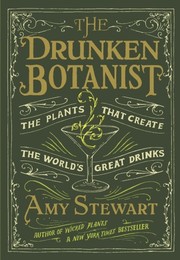
A deep dive into the botanical and agricultural origins of every major spirit and liqueur ingredient; reading it here sharpens your ingredient vocabulary and explains why certain flavors pair naturally.

Bitters are the seasoning of cocktails, and this focused book — placed after you understand balance — teaches their history, use, and even DIY production, adding a powerful finishing tool to your skill set.
Mastery: Creativity, Craft & the Elevated Home Bar
ExpertApply professional-level creative thinking, house-made ingredients, and advanced techniques to design original cocktails and run a home bar with the polish of a great cocktail lounge.
▸ Study plan for this stage
Pace: 8–10 weeks total: Weeks 1–5 cover "Death & Co" (~25–30 pages/day, including deep study of its cocktail recipes and philosophy sections); Weeks 6–10 cover "The Flavor Bible" (used as a reference-first read — spend ~45–60 min/day exploring ingredient entries, cross-referencing with Death & Co recipes,
- The Death & Co philosophy of cocktail design: balance, intention, and the 'why' behind every ingredient choice
- Template-based cocktail construction (sour, spirit-forward, highball, etc.) as a creative scaffold rather than a constraint
- Building a house style: how Death & Co developed a coherent aesthetic and voice across hundreds of original recipes
- House-made ingredients as a creative differentiator: syrups, infusions, tinctures, shrubs, and fat-washes drawn from Death & Co's recipes
- Flavor affinity vs. flavor contrast: using The Flavor Bible to identify ingredient relationships that are complementary, contrasting, or surprising
- Ingredient-led cocktail development: starting from a hero ingredient and building outward using The Flavor Bible's affinity chains
- Layering complexity: how aroma, texture, temperature, dilution, and garnish interact to create a complete sensory experience
- Running an elevated home bar: mise en place, batching, glassware selection, and hosting with the consistency of a professional bar program
- Looking at a Death & Co original recipe, can you articulate the structural template it follows and explain why each ingredient was chosen in terms of balance and flavor role?
- How does Death & Co's approach to house-made ingredients (syrups, infusions, tinctures) elevate a cocktail beyond what off-the-shelf products can achieve — and can you replicate at least one of their house recipes?
- Given a single hero ingredient (e.g., smoked paprika, tamarind, or shiso), how would you use The Flavor Bible to identify three credible spirit pairings and two supporting modifiers to build an original cocktail concept?
- What is the difference between a flavor affinity and a flavor contrast, and how can both be used deliberately in a single cocktail according to The Flavor Bible's framework?
- How would you design a cohesive 'menu' of four original cocktails for a dinner party, ensuring variety in base spirit, flavor profile, and technique — drawing on principles from both Death & Co and The Flavor Bible?
- What does 'mise en place' mean in the context of a home bar, and how do the operational details in Death & Co translate to a realistic elevated home hosting setup?
- Recipe Deconstruction Lab: Choose 5 Death & Co original recipes spanning different templates (sour, stirred, highball, etc.). For each, write a one-paragraph analysis identifying the structural template, the flavor role of every ingredient, and the balance logic — then rate how successfully you think it achieves its stated goal.
- House-Made Ingredient Sprint: Make three house-made ingredients directly from Death & Co (e.g., a flavored syrup, a tincture, and a fat-washed spirit). Use each in at least one cocktail and document how the house-made component changes the drink versus a commercial substitute.
- Flavor Bible Affinity Map: Pick 6 spirits or liqueurs you own. For each, open The Flavor Bible and hand-draw a 'flavor web' of its top 8–10 affinities. Pin these maps above your bar and use them as your primary creative reference for the rest of the stage.
- Original Cocktail Design Challenge: Using only The Flavor Bible as your ideation tool and Death & Co templates as your structure, design and test 3 fully original cocktails from scratch. Document each through at least 3 iterations, noting what changed and why between versions.
- Elevated Home Bar Night: Host a cocktail tasting for 3–6 guests. Prepare a written 'menu' of 4 original or Death & Co-inspired cocktails, batch what can be batched, set up proper mise en place, and serve each drink with a one-sentence verbal description of its flavor intention — then collect feedback.
- Contrast vs. Affinity Experiment: Build two versions of the same base cocktail — one using a pure flavor-affinity approach (all complementary notes from The Flavor Bible) and one using deliberate flavor contrast. Taste them side by side and write a 200-word reflection on which is more interesting and why.
Next up: Mastering original cocktail design and professional-level craft at home positions the reader to explore the broader world of bar culture, spirits production, and sensory science — the natural next frontier for a home mixologist who has outgrown recipes and is ready to pursue sommelier-level spirits knowledge or formal bartending study.

The complete creative and operational philosophy of one of the world's most influential cocktail bars, with hundreds of original recipes — best read now that you have the framework to reverse-engineer every drink.
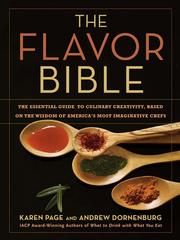
Not a cocktail book, but the essential reference for creative pairing: its ingredient-by-ingredient flavor affinity maps let you invent original, balanced cocktails with confidence rather than guesswork.
Discussion
Keep reading
Paths that share books, cover the same subject, or open a related topic.