Turkish Cooking: The Best Books on Kebabs, Meze, and Baklava
This curriculum takes you from the essential flavors and techniques of Turkish home cooking all the way through regional specialties and the refined pastry arts of the Ottoman kitchen. Each stage builds on the last — first establishing core pantry knowledge and everyday recipes, then expanding into the full breadth of Turkish cuisine, and finally diving deep into the iconic showpieces like kebabs, meze spreads, and baklava that define Turkey's culinary identity.
Foundations: The Turkish Kitchen
BeginnerUnderstand the essential pantry, flavor principles, and everyday techniques of Turkish home cooking — building the vocabulary needed for everything that follows.
▸ Study plan for this stage
Pace: 4–5 weeks, ~40–50 pages/day. Start with "Anatolia" (weeks 1–2), then move to "Turkish Cooking" (weeks 3–5) to deepen technique and pantry knowledge.
- Turkish pantry staples: olive oil, yogurt, dried fruits, nuts, spices (sumac, Aleppo pepper, cumin, coriander), and preserved ingredients
- The Anatolian regional diversity and how geography shapes local flavor profiles and ingredient availability
- Core flavor principles: balance of sour (lemon, pomegranate), savory (salt, herbs), and subtle spice; the role of fresh herbs (parsley, mint, dill)
- Essential everyday techniques: slow-cooking, layering flavors, working with yogurt and olive oil as foundational elements
- The cultural and historical context of Turkish home cooking and its connection to Mediterranean and Middle Eastern traditions
- How to build a functional Turkish kitchen with essential tools and equipment for home cooking
- What are the five most essential pantry ingredients in Turkish cooking, and why does each matter?
- How do regional differences across Anatolia influence the ingredients and flavor profiles used in Turkish home cooking?
- What are the three core flavor-balancing principles in Turkish cuisine, and how do you apply them to a simple dish?
- Describe the role of yogurt and olive oil in Turkish cooking—how are they used beyond simple condiments?
- What are the key differences between Turkish cooking techniques and those from neighboring Mediterranean cuisines?
- If you were setting up a Turkish kitchen from scratch, which five tools or equipment pieces would you prioritize and why?
- Create a personal Turkish pantry inventory: source and taste at least 8–10 staple ingredients (sumac, Aleppo pepper, pomegranate molasses, dried mint, etc.). Write tasting notes for each.
- Cook 3–4 simple recipes from 'Turkish Cooking' that highlight different regional styles (e.g., one from the Aegean, one from Central Anatolia, one from the Black Sea region). Document how ingredients and techniques vary.
- Prepare a yogurt-based dish and an olive oil-based dish from the books, paying close attention to how these foundational ingredients carry flavor and texture.
- Visit a Turkish or Middle Eastern market and identify 5 ingredients you've read about. Speak with a vendor about how they use them in home cooking.
- Make a flavor-balancing exercise: take a simple Turkish recipe and adjust the sour/savory/spice balance three different ways, tasting and noting the differences.
- Prepare one slow-cooked dish (e.g., a stew or braise) from 'Anatolia' or 'Turkish Cooking', observing how time and low heat develop flavor.
Next up: This foundation in Turkish pantry essentials, regional diversity, and core techniques equips you to explore regional cuisines in depth and tackle more complex, specialized dishes that build on these fundamental flavor and technique principles.

A beautifully accessible entry point that introduces Turkish ingredients, regional diversity, and core techniques through clear, well-tested recipes — ideal for absolute beginners building their first mental map of the cuisine.
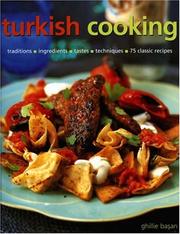
A compact, practical primer covering the full range of Turkish staples — soups, pilafs, meze, and sweets — giving beginners a solid, repeatable foundation before moving to more ambitious books.
Going Deeper: Authentic Turkish Home Cooking
IntermediateMaster the authentic recipes and regional logic of Turkish home cooking, including meze culture, vegetable dishes, and the art of the pilaf.
▸ Study plan for this stage
Pace: 8–10 weeks, ~40–50 pages/day, with 2–3 cooking sessions per week
- The regional diversity of Turkish cuisine and how geography shapes flavor profiles (Anatolian, Aegean, Mediterranean, Black Sea traditions)
- Meze culture as a social and culinary philosophy—small plates, sharing, and the balance of flavors and textures
- The foundational techniques for Turkish vegetable dishes: slow-cooking, layering spices, and the role of olive oil versus butter
- Pilaf mastery: the toast-before-simmer method, grain selection, and how pilaf serves as both side and centerpiece
- The logic of Turkish home cooking—economy, seasonality, and the use of pantry staples (dried fruits, nuts, spices, legumes)
- Flavor building through spice combinations: cumin, cinnamon, sumac, and how they interact in savory dishes
- The distinction between restaurant Turkish and home Turkish cooking, and why authenticity matters
- What are the key regional differences in Turkish cooking, and how do the recipes in Turquoise and The Complete Book reflect these regional variations?
- Explain the philosophy behind meze culture: what makes a successful meze spread, and how do the small plates in these books demonstrate balance and variety?
- Walk through the step-by-step process for cooking a pilaf correctly, including why toasting the grain matters and how you adjust liquid ratios for different grains.
- Describe three distinct Turkish vegetable dishes and explain the cooking technique and flavor logic behind each one.
- How does Turkish home cooking differ from what you might find in a Turkish restaurant, and what does this tell you about authenticity?
- Create a meze menu for 6 people using recipes from both books—justify your selections based on flavor, texture, and seasonal availability.
- Cook at least 3 pilaf recipes from The Complete Book of Turkish Cooking (e.g., plain pilaf, herbed pilaf, pilaf with chickpeas), documenting the toast time, liquid ratio, and final texture. Compare results and refine your technique.
- Prepare a full meze spread (6–8 items) from Turquoise and The Complete Book, focusing on variety of textures, temperatures, and flavors. Serve to friends or family and note which combinations worked best.
- Cook 4 different Turkish vegetable dishes from The Complete Book (such as stuffed eggplant, braised green beans, zucchini fritters, or slow-cooked tomato-based dishes) and analyze the cooking method, spice profile, and role of fat in each.
- Create a spice-pairing map: list the main spice combinations used in Turquoise and The Complete Book, then experiment by making two versions of the same dish with different spice ratios to understand how they shift flavor.
- Plan and execute a complete Turkish home-style meal (appetizers, main, side, bread) using recipes from both books, paying attention to how dishes complement each other and how the meal flows.
- Compare a recipe from Turquoise with a similar recipe from The Complete Book (if both exist), noting differences in technique, ingredient ratios, and presentation—write a brief reflection on what each author emphasizes.
Next up: This stage grounds you in the authentic home-cooking foundation and regional logic of Turkish cuisine, preparing you to explore advanced topics such as bread-making traditions, preserved foods and fermentation, or the evolution of Turkish cooking across diaspora communities.
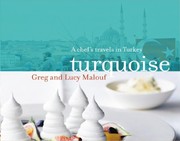
Bridges the gap between home cooking and professional technique, exploring regional Turkish flavors with depth and context — perfect for a cook who has the basics and wants to understand the 'why' behind the cuisine.
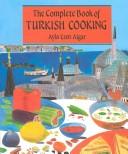
A scholarly yet practical deep dive into the full spectrum of Turkish recipes, written by a leading authority on Ottoman and Turkish food — essential reading for understanding meze, pilafs, and the logic of the Turkish table.
Mastery: Kebabs, Grills & the Ottoman Table
ExpertAchieve mastery of Turkey's most iconic dishes — kebabs, slow-cooked meats, and the grand Ottoman culinary tradition — with professional-level recipes and cultural context.
▸ Study plan for this stage
Pace: 8–10 weeks, ~40–50 pages/day with 2–3 cooking sessions per week
- Regional kebab traditions across Turkey: Adana, Urfa, Iskender, and Şiş variations, and their distinct spice profiles and cooking methods
- Ottoman culinary philosophy and its influence on modern Turkish cooking: hierarchy of flavors, use of spices, and presentation traditions
- Slow-cooking techniques for meat (tandır, tava, and clay pot methods) and how they develop depth of flavor and texture
- The role of charcoal grilling and fire management in achieving authentic kebab texture and smoke integration
- Seasonal eating and ingredient sourcing in Turkish cuisine: how geography and climate shape dish selection and preparation
- Özlem Warren's modern interpretation of traditional Ottoman recipes and how to adapt classical techniques for home kitchens
- The cultural and historical context of the Ottoman table: how imperial court traditions persist in contemporary Turkish dining
- Building a Turkish spice pantry and understanding flavor layering specific to kebabs and grilled meats
- What are the key differences between Adana, Urfa, and Iskender kebabs, and how do their spice blends and cooking methods reflect their regional origins?
- How did Ottoman court cuisine influence the kebab traditions documented in both Istanbul & Beyond and Özlem's Turkish Table?
- Explain the role of charcoal heat and fire management in achieving the characteristic crust and smoke flavor in Turkish grilled meats.
- What slow-cooking methods (tandır, tava, clay pot) are used in Turkish cuisine, and when would you choose one over another?
- How does Özlem Warren adapt traditional Ottoman recipes for modern home cooking, and what techniques does she emphasize for maintaining authenticity?
- Describe the seasonal and geographical factors that influence ingredient selection and dish preparation in Turkish kebab culture.
- Prepare at least three regional kebab varieties (Adana, Urfa, and Iskender) from both books, comparing spice ratios, meat preparation, and grilling technique across recipes.
- Master charcoal grilling: practice fire management and heat zones by cooking 4–5 different kebab styles, documenting temperature, timing, and crust development.
- Recreate a slow-cooked meat dish using traditional methods (clay pot or tava-style) from Özlem's Turkish Table, then compare it to a modern adaptation.
- Build a Turkish spice pantry: source and organize the key spices used in kebab recipes (Aleppo pepper, sumac, cumin, coriander), and create a reference guide for flavor profiles.
- Plan and execute an Ottoman-inspired multi-course meal using recipes from both books, paying attention to flavor progression, presentation, and historical context.
- Conduct a blind taste comparison: prepare the same kebab recipe using two different heat sources (charcoal vs. gas), and analyze how the cooking method affects flavor and texture.
Next up: This stage establishes mastery of Turkey's most celebrated meat dishes and the historical Ottoman culinary framework, preparing you to explore the broader Turkish table—from meze and vegetable preparations to breads, desserts, and the complete dining experience that contextualizes kebabs within a full meal.

A landmark work documenting the extraordinary regional diversity of Turkish cooking from Anatolia to the Black Sea coast, giving advanced cooks the full picture of how kebabs and grilled meats vary across the country.

Written by a Turkish chef raised in Turkey, this book offers deeply authentic, regionally specific recipes — including definitive versions of kebabs and slow-cooked dishes — with the cultural storytelling that elevates technique into tradition.
Discussion
Keep reading
Paths that share books, cover the same subject, or open a related topic.