Cottage gardens: the best books to plant a romantic informal garden
This curriculum takes a beginner from the romantic spirit and visual language of cottage gardening all the way through hands-on plant knowledge, border design, and the art of self-seeding abundance. Each stage builds on the last: you first fall in love with the style, then learn your plants, then master the layered, relaxed design techniques that make an English cottage border sing.
Foundations: The Cottage Garden Spirit
BeginnerUnderstand what a cottage garden is, its history, its aesthetic principles, and the relaxed, abundant planting philosophy that defines the style — building visual literacy before touching a trowel.
▸ Study plan for this stage
Pace: 4–5 weeks, ~20–25 pages/day. Begin with Lloyd's "The Cottage Garden" (weeks 1–2), then move to Martin's "Tasha Tudor's Garden" (weeks 3–4), with a final week for review and synthesis.
- The cottage garden as a historical style rooted in practicality and abundance, not rigid design rules
- How cottage gardens blend ornamental and productive plants—flowers, herbs, and vegetables in close quarters
- The aesthetic principles of layering, color harmony, and apparent 'chaos' that masks intentional composition
- The role of self-seeding, volunteer plants, and naturalized growth in creating the cottage garden's characteristic fullness
- Tasha Tudor's interpretation of the cottage garden as a living expression of personal taste and seasonal rhythm
- The philosophy of relaxed stewardship: working with plants rather than imposing rigid control
- How cottage gardens prioritize sensory experience—fragrance, texture, and visual abundance—over formal symmetry
- What historical and practical origins shaped the cottage garden style, and how does Lloyd trace its evolution?
- How do cottage gardens differ from formal or contemporary garden styles in their approach to plant selection and arrangement?
- What role do self-seeding and 'volunteer' plants play in maintaining the characteristic fullness and spontaneity of a cottage garden?
- How does Tasha Tudor's garden exemplify the cottage garden philosophy, and what personal or aesthetic choices does Martin highlight?
- What are the key aesthetic principles (color, texture, layering, fragrance) that define the cottage garden look?
- How do cottage gardeners balance productivity (food and medicine) with ornamental beauty?
- Create a visual mood board (digital or physical) of 8–10 images from the books or online sources that capture the cottage garden aesthetic; annotate each with the principles it demonstrates.
- Sketch or photograph a cottage garden (in person or from the books) and label the layers: tall plants, mid-height, low borders, and ground cover. Note how plants overlap and intermingle.
- List 15–20 plants mentioned in Lloyd's book or visible in Tudor's garden; categorize them by function (ornamental, edible, medicinal, structural) and note their role in the design.
- Write a one-page 'garden portrait' of Tasha Tudor's garden based on Martin's descriptions, capturing its seasonal changes and the philosophy behind specific plantings.
- Observe a local garden, park, or even a neglected corner with 'wild' growth for 20 minutes. Sketch or note which plants are self-seeding or naturalized, and how they create visual interest without formal arrangement.
- Compare two garden styles (e.g., cottage vs. formal, or cottage vs. modern minimalist) by listing their contrasting principles in a two-column chart based on Lloyd's framework.
Next up: This stage builds the visual and philosophical foundation—understanding *why* cottage gardens look and feel the way they do—preparing you to move into the next stage, where you'll learn the practical skills of plant selection, soil preparation, and layout design to create your own cottage garden.
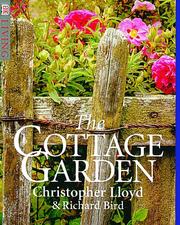
The definitive starting point by one of England's greatest gardeners; it defines the style's history, character, and plant palette in an accessible, inspiring voice that sets the tone for everything that follows.
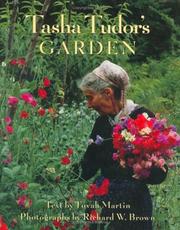
A beautifully illustrated portrait of a living cottage garden in practice, giving beginners a concrete, romantic vision of what they are working toward before diving into technique.
Plant Knowledge: Perennials & Self-Seeders
BeginnerBuild a confident working knowledge of the core cottage garden plants — perennials, biennials, and self-seeders — learning their names, habits, seasons, and how they naturally combine.
▸ Study plan for this stage
Pace: 4–5 weeks, ~25–30 pages/day, with 2–3 days per week dedicated to field observation and note-taking
- Morphology and growth habits of perennials: understanding height, spread, bloom time, and lifespan to predict garden behavior
- Seasonal cycles and succession: how perennials progress through dormancy, emergence, flowering, and decline across the year
- Self-seeding and biennials: recognizing which plants reliably self-sow and how biennials fit into a two-year cycle
- Plant associations and combinations: learning which perennials naturally complement each other in color, texture, form, and bloom time
- Hardiness, soil preferences, and growing conditions: matching plants to specific garden environments for success
- Nomenclature and plant families: building familiarity with common and botanical names to communicate accurately and understand relationships
- Cottage garden aesthetics: how traditional perennials create informal, abundant, and naturalistic effects through layering and density
- What are the key morphological differences between perennials, biennials, and self-seeders, and how does each category behave in a cottage garden over time?
- How do you use Graham Stuart Thomas's descriptions of height, spread, and bloom time to plan layered planting combinations?
- Which perennials and self-seeders from the book are reliable self-seeders, and how would you manage them to prevent overcrowding?
- How would you design a succession of bloom across spring, summer, and autumn using the perennials described in the book?
- What soil conditions and growing requirements does Thomas emphasize for the major cottage garden perennials, and how do these affect plant placement?
- How do you read and apply Thomas's plant descriptions to predict whether a specific perennial will work in your garden conditions?
- Create a detailed plant profile card for 10–15 key perennials from the book, noting height, spread, bloom time, color, self-seeding habit, and preferred conditions
- Visit a local botanical garden or mature cottage garden and identify at least 8–10 plants from the book in situ; photograph them and note their actual size, companions, and seasonal stage
- Sketch a simple cottage garden plan (4m × 6m) using only perennials and self-seeders from the book, showing mature heights and bloom-time layering
- Create a seasonal bloom calendar (spring, early summer, mid-summer, late summer, autumn) listing which perennials from the book flower in each period
- Collect seed heads or pressed flowers from 5–6 self-seeding plants mentioned in the book; label them and create a reference collection
- Write a 500-word plant portrait of one perennial from the book, synthesizing Thomas's description with your own observations or research into its cottage garden role
Next up: This stage equips you with intimate knowledge of individual plants and their behavior, providing the foundation to move into the next stage—learning how to design and manage complete cottage garden compositions, handle succession and self-seeding dynamics, and adapt designs to specific sites and seasons.
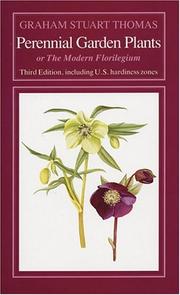
The canonical reference on hardy perennials by a legendary plantsman; reading it now gives you the plant vocabulary and cultural knowledge you need before attempting design.
Design Principles: Layered, Relaxed Borders
IntermediateLearn how to compose a border with height, seasonal succession, and color harmony — translating plant knowledge into the layered, flowing designs that make cottage gardens feel effortlessly lush.
▸ Study plan for this stage
Pace: 4–5 weeks, ~25–30 pages/day. Start with Oudolf (weeks 1–2), move to Lloyd (weeks 2–3), finish with Hobhouse (weeks 3–5), with overlap for integration and practice.
- Layering by height and structure: using Oudolf's principles of vertical composition to create depth and visual rhythm in borders
- Seasonal succession and continuity: planning for year-round interest through flowering sequences and foliage transitions (Lloyd's approach)
- Color harmony and contrast: understanding warm/cool palettes, complementary combinations, and how Hobhouse's color theory creates cohesion in mixed plantings
- Plant associations and communities: selecting plants that thrive together and create naturalistic, self-sustaining compositions
- Rhythm and repetition: using repeated plants and color echoes to unify a border and guide the eye through space
- Relaxed, informal design: balancing structure with spontaneity to achieve the cottage garden's effortless, abundant aesthetic
- Translating theory into practice: moving from understanding individual plants to composing complete, harmonious borders
- How does Oudolf use height, form, and spacing to create visual rhythm and depth in a border, and what role does repetition play in his designs?
- What strategies does Lloyd recommend for ensuring a border has interest across all seasons, and how do foliage plants contribute to this succession?
- How can you use Hobhouse's color principles (warm/cool, complementary, analogous) to create harmony in a mixed border without it feeling chaotic?
- What makes a plant association 'work'—how do you select plants that support each other visually and ecologically?
- How do you balance structure and spontaneity in a cottage garden border to achieve an effortless, lush appearance?
- Given a specific site and season, how would you compose a layered border that incorporates height variation, seasonal succession, and color harmony?
- Sketch a cross-section of a border using Oudolf's layering principles: place plants at back, middle, and front with specific heights and forms (e.g., tall spires, rounded mounds, low groundcovers).
- Create a seasonal succession chart for a single border: list which plants flower/shine in spring, summer, autumn, and winter, ensuring no month lacks interest.
- Analyze a color scheme from Hobhouse's examples: identify the dominant color, accent colors, and foliage tones; then sketch how you'd apply this palette to your own garden space.
- Visit a local garden or study high-quality garden photos and identify 3–4 successful plant associations; note why each pairing works (color, texture, height, bloom time).
- Design a 4×8 ft mixed border on paper: include at least 8–10 plants arranged by height, with annotations for bloom time, color, and form; ensure seasonal interest and color harmony.
- Plant a small trial border (or container grouping) using 5–6 plants selected for layering, succession, and color; photograph it monthly and reflect on what works and what needs adjustment.
Next up: Mastering layered, harmonious borders equips you to tackle the next stage—whether that's refining specific plant families, exploring regional or ecological adaptations, or scaling these principles to larger garden compositions.

Introduces the concept of layered, naturalistic planting design — structure, texture, and seasonal rhythm — giving you a design framework that underpins all great cottage-style borders.
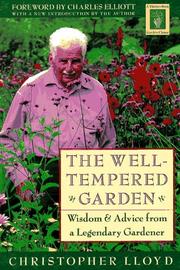
Lloyd's masterwork on practical garden-making; now that you know your plants, his opinionated, detailed advice on combining and managing them in borders becomes fully actionable.

The essential guide to using color in planting design; Hobhouse's clear principles help you move from random abundance to the intentional, painterly color schemes that define great English borders.
Mastery: The Great Cottage Gardeners at Work
ExpertStudy the finished thinking of master cottage gardeners — absorbing their hard-won lessons on plant combinations, year-round interest, and the philosophy of letting a garden evolve — so you can refine and deepen your own garden over time.
▸ Study plan for this stage
Pace: 4–5 weeks, ~25–30 pages/day, with 2–3 days per week reserved for garden observation and note-taking
- The historical context and evolution of old rose varieties and their role in traditional cottage gardens
- Plant combination principles: how old roses work with companion plants to create layered, textured gardens
- Year-round garden interest through strategic rose selection, bloom times, and foliage characteristics
- The philosophy of garden evolution: allowing gardens to mature, self-seed, and develop naturally over seasons and years
- Fragrance as a design element and sensory priority in cottage garden composition
- Pruning, maintenance, and care techniques specific to old roses that preserve their natural form
- The relationship between garden structure (hardscape, pathways) and rose placement for visual flow
- What distinguishes old rose varieties from modern hybrids, and why does Scarman advocate for their use in cottage gardens?
- How does Scarman recommend combining old roses with other plants to achieve continuous interest and depth in a cottage garden?
- What role does fragrance play in Scarman's philosophy of cottage garden design, and how should gardeners prioritize it?
- How should a gardener approach pruning and maintenance of old roses to preserve their natural character while ensuring health?
- What does Scarman mean by 'letting a garden evolve,' and what practical decisions support this philosophy?
- How can a cottage gardener use rose selection and placement to create year-round visual and sensory interest?
- Create a detailed planting plan for a cottage garden bed (real or hypothetical) featuring at least 3–4 old rose varieties from Scarman's recommendations, with companion plantings for spring bulbs, summer perennials, and autumn interest
- Visit a local heritage rose garden or botanical collection and document 2–3 old rose varieties you encounter, noting their growth habit, fragrance, bloom time, and how they're combined with other plants; compare your observations to Scarman's descriptions
- Sketch or photograph your own garden (or a garden you know well) and annotate it with notes on how you would introduce old roses and restructure plantings to follow Scarman's principles of evolution and layering
- Maintain a 'fragrance journal' over 2–3 weeks, visiting your garden or a local garden at different times of day and seasons, recording which plants are fragrant, when, and how their scent contributes to the overall experience
- Write a 500–750 word reflection on one old rose variety from the book: its history, characteristics, ideal companions, and how it embodies Scarman's philosophy of cottage gardening
- Prune or deadhead roses in your own garden (or a community garden) using Scarman's techniques, documenting the process with photos and notes on how the plant responds over the following weeks
Next up: This stage equips you with the refined aesthetic judgment and horticultural knowledge of a master practitioner, preparing you to synthesize cottage garden principles across multiple plant families and design your own signature garden style in the final stage.

Old roses are the backbone of the English cottage border; this focused book teaches you how to integrate them with perennials and self-seeders for the full, romantic effect you are aiming for.
Discussion
Keep reading
Paths that share books, cover the same subject, or open a related topic.