Japanese Gardens: The Best Books on Zen and Garden Design
This curriculum builds from a solid conceptual and historical grounding in Japanese garden traditions toward hands-on design mastery and deep philosophical fluency. Starting at the intermediate level, each stage sharpens a specific lens — history and typology, design principles and materials, then the meditative and horticultural craft — so that each book you read enriches the next.
History, Typology & Cultural Roots
IntermediateUnderstand the major garden types — Zen (karesansui), tea (roji), stroll, and courtyard — their historical origins, and the cultural and spiritual philosophies that shaped them.

A comprehensive, richly illustrated survey of Japanese garden history from ancient to modern. Reading this first gives you the full typological map — Zen, tea, stroll, and courtyard — before diving into any single tradition.

A clear, accessible overview of design philosophy and garden evolution that reinforces Nitschke's history with more practical visual analysis, bridging cultural context toward design thinking.
Design Principles & the Language of Elements
IntermediateMaster the core design vocabulary — stone placement, water, borrowed scenery (shakkei), asymmetry, enclosure, and the spatial grammar that unifies all Japanese garden types.

A translation of the oldest known garden design manual (11th century), this is the foundational primary source for stone and water placement rules. Reading it now, after the historical overview, lets you see these ancient principles in full context.

A beautifully structured modern design guide that translates classical principles — enclosure, borrowed landscape, negative space — into clear visual and spatial lessons, making it the ideal companion to the Sakuteiki.
Craft, Horticulture & Hands-On Making
ExpertDevelop practical mastery of the living materials — moss cultivation, pruned pines, bamboo, water features — and the construction techniques needed to actually build and maintain a Japanese garden.
▸ Study plan for this stage
Pace: 6–8 weeks, ~25–30 pages/day, with 2–3 days per week dedicated to hands-on practice and site observation
- Moss cultivation and maintenance: species selection, moisture management, and substrate preparation for different garden zones
- Pine pruning techniques: branch removal, canopy shaping, and seasonal timing to achieve the characteristic silhouette and structural form
- Bamboo management: containment strategies, culm selection, and pruning to control density and create visual rhythm
- Water feature construction and maintenance: stone placement, water circulation, edge treatment, and seasonal care to preserve naturalistic flow
- Material sourcing and evaluation: selecting stones, plants, and wood that align with design intent and site conditions
- Structural foundations: soil preparation, drainage systems, and hardscape installation that support long-term plant health
- Seasonal maintenance cycles: understanding how gardens change through the year and planning interventions to sustain aesthetic and ecological balance
- The relationship between craft precision and apparent naturalness: how technical skill creates the illusion of effortless nature
- What are the key differences between moss species suitable for shaded versus sunlit areas, and how do you prepare substrate to establish moss in each condition?
- Describe the pruning sequence and timing for a mature pine to achieve an open, layered canopy while maintaining structural integrity.
- How do you contain bamboo rhizomes, and what pruning strategy prevents overcrowding while preserving the visual lightness of the grove?
- What are the critical steps in designing and constructing a water feature—from stone placement to edge treatment—to achieve a naturalistic appearance?
- How do you evaluate and select raw materials (stone, plants, soil) based on site conditions and design intent?
- What seasonal maintenance tasks are essential to keep moss healthy, water features functioning, and pruned forms from reverting to wild growth?
- Propagate moss from collected specimens or purchased fragments; establish it on prepared substrate in a test bed (shaded and sunny areas) and document growth over 4–6 weeks
- Study and photograph 2–3 mature pines in local gardens or parks; sketch their current form, then plan a 2–3 year pruning strategy on paper before attempting live work
- If access permits, assist with or observe a professional pine pruning session; practice hand-tool technique (saws, shears) on branches of similar diameter and angle
- Design and build a small water feature (18–24 inches across) using found or purchased stones; test water circulation, edge stability, and drainage before refining placement
- Conduct a site survey of a potential garden location: assess light, soil, drainage, and existing vegetation; create a material sourcing plan based on findings
- Maintain a seasonal maintenance log for a real or hypothetical garden over 3 months, noting moss condition, pruning needs, water feature function, and corrective actions taken
Next up: This stage equips you with the embodied knowledge of living materials and construction craft; the next stage will integrate these skills into the larger aesthetic and philosophical frameworks that guide composition, spatial flow, and the symbolic meaning embedded in garden design.

Keane's earlier, broader design manual covers site analysis, spatial composition, and plant selection with the precision of a working designer. It synthesizes everything from prior stages into a coherent design process you can apply to your own projects.
Deep Aesthetics & Philosophical Mastery
ExpertInternalize the underlying Japanese aesthetic concepts — wabi, sabi, ma, mono no aware, and mushin — that elevate a technically correct garden into a truly resonant, living work of art.
This celebrated essay on Japanese aesthetics — shadow, subtlety, imperfection, and the beauty of the understated — is essential reading for understanding why Japanese gardens look and feel the way they do at the deepest level.
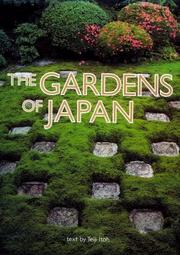
A masterwork of photographic and critical analysis by one of Japan's foremost garden scholars. Read last, it rewards all prior knowledge with nuanced readings of specific gardens that will permanently sharpen your designer's eye.
Discussion
Keep reading
Paths that share books, cover the same subject, or open a related topic.