The Best Books on Locksmithing, in Order
This curriculum takes a complete beginner from zero knowledge of locks all the way through professional locksmithing skills and the nuanced craft of locksport. Each stage builds directly on the last — first understanding how locks are designed and why they can be defeated, then mastering hands-on rekeying and service work, and finally diving into the competitive, community-driven art of sport picking and advanced bypass techniques.
Foundations: How Locks Work
BeginnerUnderstand the mechanical principles behind common lock types (pin tumbler, wafer, disc, padlock) and develop the vocabulary needed for all further study.
▸ Study plan for this stage
Pace: 4–5 weeks, ~25–30 pages/day, focusing on Part 1 and foundational chapters on lock mechanics
- Pin tumbler lock anatomy: drivers, key pins, springs, bible, and shear line
- How the key lifts pins to the shear line to allow plug rotation
- Wafer lock design and how wafers differ from pin tumblers in simplicity and security
- Disc detainer locks: rotating discs and their mechanical principles
- Padlock variants: shackle mechanisms and how they relate to internal lock design
- The relationship between tolerances, binding, and lock manipulation
- Security pins and anti-picking features in modern locks
- Vocabulary: plug, bible, shear line, binding, feedback, and feedback tools
- What are the five main components of a pin tumbler lock, and what role does each play in the locking mechanism?
- Explain the shear line concept: why is it critical to lock function, and how does a correct key interact with it?
- How do wafer locks differ mechanically from pin tumbler locks, and why are they generally considered less secure?
- Describe the basic operation of a disc detainer lock and identify at least two ways it differs from a pin tumbler.
- What is binding, and why is understanding binding essential for both lock design and lock manipulation?
- Compare the internal mechanisms of at least two different padlock types and explain how their designs affect their security.
- What are security pins, and what specific anti-picking features do they introduce?
- Disassemble and reassemble a clear practice pin tumbler lock (or transparent lock trainer) at least 5 times, identifying each component and its function
- Draw detailed labeled diagrams of pin tumbler, wafer, and disc detainer locks from memory, then compare to reference images
- Obtain 3–4 different padlock types and sketch their internal mechanisms based on the book's descriptions and external observation
- Create a glossary of at least 20 locksmithing terms from the book with definitions and sketches
- Examine 5–6 locks from around your home (door locks, padlocks, cabinet locks) and identify their type and basic internal structure
- Build or obtain a simple lock model (clay, cardboard, or 3D-printed) showing pin tumbler mechanics and practice explaining the shear line to someone unfamiliar with locks
Next up: This stage establishes the mechanical vocabulary and foundational understanding of how locks physically work, preparing you to move into hands-on manipulation techniques and the sensory feedback required to interact with locks intentionally.

The definitive reference encyclopedia of lock technology; reading the introductory sections here after the MIT guide cements terminology, lock taxonomy, and security ratings that every later book assumes you know.
Core Locksmithing: Rekeying and Service Work
BeginnerPerform real-world locksmith tasks — rekeying cylinders, cutting keys by code, servicing deadbolts and padlocks — with professional-level accuracy.
▸ Study plan for this stage
Pace: 4–5 weeks, ~40–50 pages/day, with 2–3 days per week dedicated to hands-on practice
- Pin tumbler lock anatomy and function (drivers, key pins, springs, bible, plug, housing)
- Rekeying procedures: removing cylinders, extracting and replacing pin stacks, reassembly, and testing
- Key cutting by code and measurement: understanding bitting sequences, depth and spacing calculations, and using key machines
- Deadbolt service and maintenance: installation, adjustment, troubleshooting binding and sticking issues
- Padlock servicing: disassembly, cleaning, lubrication, and repair of common mechanisms
- Professional locksmith tools and their proper use: picks, raking tools, plug followers, key machines, and calipers
- Safety protocols and ethical practices in locksmith work
- What are the main components of a pin tumbler lock, and how do they interact to control the lock's operation?
- Walk through the complete rekeying process for a standard residential cylinder—from removal to reassembly and testing.
- How do you cut a key by code, and what measurements and tools are essential for accuracy?
- What are the most common deadbolt problems you'll encounter in service work, and how do you diagnose and fix them?
- Describe the disassembly, cleaning, and reassembly process for a padlock, including lubrication best practices.
- What safety precautions and professional standards should guide your locksmith work?
- Disassemble and reassemble a pin tumbler cylinder at least 5 times until you can do it smoothly without damaging pins or springs
- Perform a complete rekeying on 3–4 different residential cylinders using provided key codes, then verify fit and function
- Cut 10 keys by code using a key machine, measuring each bitting depth and verifying accuracy with calipers
- Service and lubricate 2–3 deadbolts, identifying and correcting binding issues, then test smooth operation
- Disassemble, clean, and reassemble 2–3 padlocks of different types, documenting the process with photos
- Practice picking and raking techniques on practice locks to understand how pin stacks interact and bind
- Create a reference chart documenting pin tumbler depths, common key codes, and rekeying pin combinations for quick field reference
Next up: This stage equips you with hands-on mastery of the most common locksmith tasks, preparing you to move into specialized lock types, advanced picking techniques, and security system troubleshooting in the next stage.
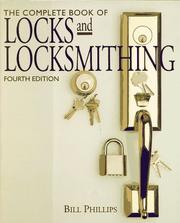
Phillips' comprehensive follow-up expands coverage to automotive, safe, and commercial locks, consolidating service procedures and business knowledge into one volume before moving to more specialized topics.
Locksport Craft: Picking Technique and Tools
IntermediateDevelop deliberate picking technique — single pin picking, raking, tension control — and understand the locksport community's ethical framework and progression ladder.
▸ Study plan for this stage
Pace: 4–5 weeks, ~40–50 pages/day with daily practice sessions
- Single Pin Picking (SPP) methodology and feedback interpretation
- Tension control and its role in successful picks
- Tool selection, construction, and maintenance for intermediate pickers
- Raking and scrubbing techniques as alternatives to SPP
- Lock anatomy: pins, springs, drivers, and binding pins
- Ethical framework and responsible disclosure in the locksport community
- Progression ladder: when to advance from practice locks to security pins and more complex mechanisms
- Feedback recognition: binding, false sets, and binding order
- What is single pin picking and how does tension control directly enable it?
- How do you identify and work with binding pins during a pick attempt?
- What ethical responsibilities do locksport practitioners have, and why does the community emphasize responsible disclosure?
- How do you construct or select appropriate practice tools, and what makes a tool effective for intermediate work?
- What is the difference between raking, scrubbing, and single pin picking, and when is each technique appropriate?
- How do you recognize a false set versus a true open, and why is this distinction critical?
- Pick 10 different practice locks daily using single pin picking, focusing on consistent tension and feedback interpretation
- Construct or modify at least two custom picks from materials (saw stock, feeler gauges) and test their effectiveness
- Perform blind picks (without visual feedback) on 5 locks to develop tactile sensitivity and tension control
- Document your picking attempts in a log: which pins bound first, how you adjusted tension, and what feedback you felt
- Research and write a one-page reflection on the locksport community's ethical code and your personal responsibility framework
- Progress through a standardized practice lock set (e.g., clear locks, then opaque locks with security pins) and identify when you're ready to advance
Next up: This stage establishes the deliberate, controlled technique and ethical mindset required for advanced locksport, preparing you to tackle security pins, complex mechanisms, and specialized locks in the next stage.

The gold-standard locksport textbook, written by one of the community's most respected practitioners; it bridges theory and tactile skill with clear progressions from raking to single-pin picking on real hardware.

Ollam's follow-up focuses on physical security assessment — impressioning, bypass tools, and high-security locks — naturally extending picking skills into a broader security mindset.
Discussion
Keep reading
Paths that share books, cover the same subject, or open a related topic.