Wooden boat building punishes shortcuts. A hull is a three-dimensional curve, and every plank, frame, and fastening has to agree with the lines you started from. Read a glossy build-it book before you understand lofting and you will produce a boat that is subtly, permanently wrong.
The right sequence moves from principles to a real project. First understand how hulls are conceived and drawn; then learn the modern construction methods; then pick a small, forgiving first boat and follow a build from keel to sheer.
Understand the hull first
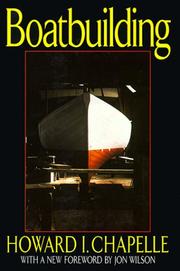
Start with Boatbuilding by Howard Irving Chapelle. It is the classic, encyclopedic account of traditional plank-on-frame construction — dense, but it teaches you to think like a boatbuilder rather than a kit-follower. Then read The Gougeon brothers on boat construction, the definitive text on wood-epoxy methods that reshaped the craft; it explains why modern wooden boats are lighter and longer-lived.
Before you cut anything, work through Lofting by Allan H. Vaitses. Lofting — drawing the boat full-size and fairing its lines — is the skill most beginners skip and most regret skipping. This slim book is the bridge between a drawing and real wood.
Build a real, forgiving boat
With theory in hand, The dory book by John Gardner is the ideal first project: dories are simple, historic, and honest, and Gardner is a patient teacher. Alongside it, How to Build a Wooden Boat by David C. McIntosh is a warm, complete account of a single planked build that ties every earlier concept together.
If you would rather start even smaller and lighter, Stripper's Guide to Canoe-Building by David Hazen and Canoecraft by Ted Moores cover strip-plank canoes — beautiful, achievable, and a gentle introduction to fairing and glassing.
Widen your range
Finally, broaden out. The Boatbuilder's Handbook by Roger Marshall is a practical bench reference for materials, fastenings, and methods across boat types, and Building small boats by Greg Rossel is a superb, approachable survey that leaves you ready to choose your next, more ambitious build.
Followed in order, these books take you from reading a lines plan to launching something you made. The craft leans hard on sharp tools and clean joinery, so it pairs well with the other traditional-trade paths in the ReadingSherpa subjects index. Follow the full path and start with a boat you can actually finish.
Follow the full reading path →
Ready to learn something deeply?
Build a reading path — free