Cob and earthen building feel intuitive — it is mud, straw, and your hands — and that is exactly the trap. The materials are forgiving until they are not: a foundation that wicks moisture, a plaster that will not bond, a floor that dusts forever. The knowledge is old, but it is specific, and the books that teach it best build on one another.
Read in order, you move from inspiration and whole-system thinking to the individual assemblies — walls, floors, plasters — that make a durable, dry, beautiful earthen building.
Fall in love, then get systematic
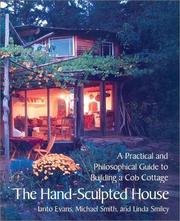
Begin with The hand-sculpted house by Ianto Evans. It is the book that launched the modern cob revival — part philosophy, part method — and it will convince you the thing is possible while teaching real technique. Then widen the frame with The natural building companion by Jacob Deva Racusin, a rigorous, building-science-literate survey of natural materials that keeps the romance honest about moisture, insulation, and code.
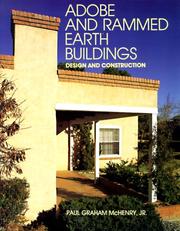
For the load-bearing earth techniques cob shares a family with, Adobe and rammed earth buildings by Paul Graham McHenry is the technical grounding: how earthen walls carry load, resist weather, and last.
Master the wall
Now go deep on cob itself. The Cobber's Companion by Michael G. Smith is the practical, step-by-step manual for mixing and building cob walls, and Building with Cob by Adam Weismann is the richly illustrated modern reference that covers foundations, openings, and finishes in detail. Read together, they cover almost every question a first wall raises.
Finish it right
Walls are only half the building. Earthen floors by Sukita Reay Crimmel is the definitive guide to pouring, oiling, and sealing a floor that is warm, hard, and dust-free — a genuinely tricky assembly. For surfaces, Plastering with Lime by Stafford Holmes teaches the breathable lime finishes that protect earthen walls without trapping moisture, and The art of natural building, edited by Joseph F. Kennedy, is a wide anthology that exposes you to strawbale, earthbag, and every allied technique.
Close with a book that is not about mud at all: A pattern language by Christopher Alexander, the design classic that teaches you to make spaces people actually love to inhabit. It elevates a sound earthen shell into a home.
In sequence, these take you from your first cob loaf to a finished, dry, human building. The craft rewards good hand tools and sharp edges, so it sits naturally beside the other trades in the subjects index. Follow the full path to build with earth, confidently.
Follow the full reading path →
Ready to learn something deeply?
Build a reading path — free