Most pest problems get worse because people skip the first step: figuring out what the pest actually is and why it is there. Spraying broadly kills the predators that were helping you, breeds resistance, and rarely solves the underlying cause. The alternative — integrated pest management — is a way of thinking, and it is best learned before any specific tactic.
This path moves from that mindset through garden and household pests, then into the tough specialist cases (bed bugs, rodents) and finally the responsible use of chemical controls as a last resort.
Learn to identify and think first
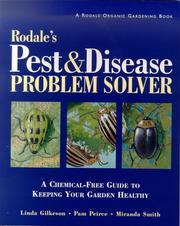
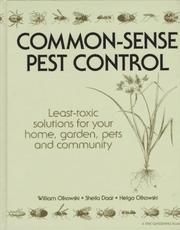
Start with Rodale's Pest and Disease Problem Solver by Linda Gilkeson, an approachable identify-and-treat reference that trains your eye. Then internalize the philosophy with Common-sense pest control by William Olkowski, the foundational text on least-toxic, integrated methods that everything else in this path assumes.
Put it in a whole-home context with The Organic Homesteader by Margaret Roach, which frames pests as one part of a healthy, balanced property rather than an enemy to be eradicated.
Cover home and garden
With the mindset set, get practical. Pest Control for Home and Garden by Simon Hix is a straightforward survey of common indoor and outdoor pests and proportionate responses. For anyone with fruit or shade trees, The Homeowner's Complete Tree Care & Fruit Tree Guide by Peter Deahl handles the pests and diseases specific to trees. Then deepen the garden side with IPM for gardeners by Raymond A. Cloyd, which applies integrated pest management rigorously to the beds and greenhouse.
Handle the hard cases and use chemicals wisely
Some pests demand specialist knowledge. Bed bug handbook by Lawrence J. Pinto is the go-to for the most dreaded household infestation, and Rodent Control: A Practical Guide for Pest Management Professionals by Bobby Corrigan is the definitive text on mice and rats — the book the professionals actually use.
Only when prevention and least-toxic methods fall short should you reach for chemistry, and then knowledgeably: The Pesticide Book by George W. Ware explains how pesticides work, their risks, and safe handling. Round out the path with Pests of the Garden and Small Farm by Mary Louise Flint, a superbly illustrated identification and management reference you will keep for years.
Read in order, these build from "what is this and why is it here" to targeted, responsible control. Pest management is really home stewardship, so it pairs with the other property-and-trade paths in the subjects index. Follow the full path to solve pest problems without creating new ones. These books inform decisions but do not replace a licensed exterminator or pesticide applicator where the law or the infestation requires one.
Follow the full reading path →
Ready to learn something deeply?
Build a reading path — free