Locks feel like magic until someone shows you the pins. Then the whole subject opens up: it is mechanical, learnable, and surprisingly deep. But it is also a security discipline with real ethics, so the right reading order teaches both the mechanism and the responsibility that comes with understanding it.
A quick, important note up front: only work on locks you own or have explicit permission to open. With that settled, the path runs from picking fundamentals, to the full locksmith trade, to the security theory that explains why locks fail.
Learn how a lock actually works
Begin with the classic free primer, The Open Organisation Of Lockpickers: MIT Guide to Lock Picking by Ted the Tool. It explains the pin-tumbler mechanism and the physics of single-pin picking better than anything for a beginner. Then jump to the modern standard: Practical lock picking by Deviant Ollam is a clear, structured, ethics-forward course that turns "I opened one lock once" into a repeatable skill.
Continue with Keys to the Kingdom, also by Deviant Ollam, which extends the craft into bypasses, key impressioning, and elevator and facility access — the wider reality of physical security.
Learn the trade
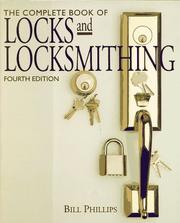
To move from hobby to craft, Practical Locksmithing by Bill Phillips covers installation, rekeying, and service across common hardware, and The complete book of locks and locksmithing, also by Phillips, is the encyclopedic reference for the trade — the one that answers the odd questions no other book does.
Understand security at depth
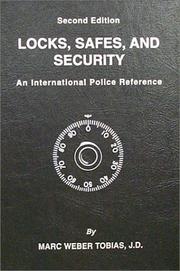
Finally, graduate to the theory that reframes everything. Locks, Safes and Security by Marc Weber Tobias is the exhaustive professional reference on how locks and safes are attacked and defended. Then read two short, brilliant technical pieces: Safecracking for the Computer Scientist by Matt Blaze, which treats locks as a security system with formal weaknesses, and Open in Thirty Seconds by Ira Wiesner, a case study in how a "high-security" lock was defeated.
Read in order, these take you from a curious beginner to someone who genuinely understands physical security — and its limits. The craft rewards fine motor control and good tools, so it sits well beside the other hands-on trades in the subjects index. Follow the full path, ethically and legally, to master the mechanism most people take on faith.
Follow the full reading path →
Ready to learn something deeply?
Build a reading path — free