Injury recovery and rehab: a beginner's ordered reading list
This curriculum builds from intuitive, accessible introductions to the body and pain science, through practical mobility and movement work, and finally into the evidence-based principles that govern safe return to full activity. Each stage assumes the vocabulary and mental models of the one before it, so reading in order is essential. Throughout, the books are chosen to complement — not replace — the guidance of physicians, physical therapists, and other licensed clinicians.
Foundations: Understanding the Healing Body
BeginnerBuild a foundational mental model of how the body heals, what pain actually is, and why rest alone is rarely the full answer — setting the stage for active, informed recovery.
▸ Study plan for this stage
Pace: 8–10 weeks, ~25–30 pages/day (approximately 2–3 weeks per book, with overlap for reflection and integration)
- Pain is a protective output of the nervous system, not simply a signal of tissue damage — understanding this distinction is foundational to recovery
- The nervous system learns and can be retrained: sensitization (becoming more protective) and desensitization (becoming less protective) shape pain experience
- Trauma and chronic stress are stored in the body and nervous system, affecting pain perception, movement patterns, and healing capacity
- The mind-body connection is bidirectional: thoughts, emotions, and beliefs directly influence physical healing and pain levels
- Active engagement (movement, cognitive reframing, emotional processing) is essential to recovery; passive rest alone is insufficient
- Individual variation in healing is normal; understanding your own nervous system's patterns is key to personalized recovery
- Fear-avoidance cycles amplify pain and disability; breaking these cycles requires gradual exposure and nervous system regulation
- What is the difference between nociception (tissue damage signals) and pain (nervous system output), and why does this distinction matter for recovery?
- How does the nervous system become sensitized, and what role does this play in chronic pain?
- How are trauma and chronic stress stored in the body, and what is the relationship between emotional processing and physical healing?
- What is a fear-avoidance cycle, and how can understanding it help you move through pain rather than away from it?
- Why is active engagement (movement, cognitive work, emotional processing) more effective for healing than passive rest alone?
- How do your beliefs and expectations about pain influence your actual pain experience and recovery trajectory?
- Create a personal pain timeline: map when your pain started, what you believed about it at the time, and how your beliefs have shifted — identify fear-avoidance patterns you may have adopted
- Practice nervous system regulation: learn and perform 3–5 grounding techniques (box breathing, progressive muscle relaxation, cold water immersion) daily and track how they affect your pain levels
- Reframe one pain-related thought per day: identify a catastrophizing or fear-based thought about your injury, then write a more evidence-based alternative based on what you've learned
- Movement exploration: perform gentle, pain-free movements in your affected area for 5–10 minutes daily, focusing on what you *can* do rather than what you can't — document changes in sensation and confidence
- Journaling practice: write for 10–15 minutes 3× per week about emotions, stressors, or past experiences that may be linked to your pain; note any physical sensations that arise
- Create a 'pain narrative' document: synthesize what you've learned about your pain from all three books into a single coherent story that explains your injury through the lens of nervous system, trauma, and belief systems
Next up: With a solid understanding of how pain is generated, how the nervous system learns, and how beliefs shape recovery, you're ready to move into the next stage, which will focus on practical, evidence-based interventions—specific movement strategies, rehabilitation protocols, and tools to actively retrain your nervous system and rebuild function.

The ideal starting point: it demystifies pain science in plain language with illustrations, replacing the outdated 'pain = damage' idea with a modern understanding of how the nervous system works. This reframe is essential before tackling any rehab strategy.
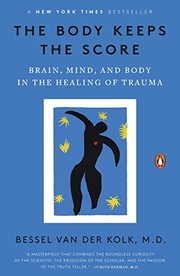
Broadens the beginner's view to include how stress and the nervous system profoundly affect physical healing and pain perception — a crucial context for understanding why recovery is never purely mechanical.
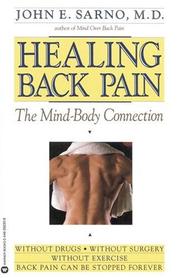
A classic, widely-read introduction to the mind-body connection in musculoskeletal pain. Read critically alongside modern pain science, it opens important questions about psychological contributors to chronic injury and slow recovery.
Mobility & Movement: Getting the Body Moving Safely
BeginnerLearn practical, evidence-informed frameworks for restoring and maintaining mobility, flexibility, and tissue health — the hands-on complement to the conceptual foundation built in Stage 1.
▸ Study plan for this stage
Pace: 6–8 weeks, ~40–50 pages/day, with 2–3 dedicated practice days per week for movement drills
- The concept of 'position before motion' — establishing stable, neutral joint positions before attempting movement
- Mobility vs. flexibility: mobility is active control through a range of motion, while flexibility is passive range; both are necessary for injury prevention
- The role of tissue quality and self-myofascial release (foam rolling, lacrosse ball work) in restoring movement capacity
- Systematic stretching protocols: understanding PNF (proprioceptive neuromuscular facilitation), static, and dynamic stretching and when to apply each
- The 'movement screen' approach: identifying movement restrictions and asymmetries that precede injury
- Breathing, bracing, and core engagement as foundational mechanics for safe movement and load tolerance
- Progressive loading and the importance of earning range of motion through controlled practice, not forcing it
- What is the difference between mobility and flexibility, and why does Starrett argue that position matters before adding motion?
- How do you perform a basic movement screen to identify restrictions or asymmetries in your own body?
- What are the three main categories of stretching protocols Kurz describes, and when should each be used in a training or rehab context?
- Describe the role of self-myofascial release in tissue quality and how it relates to restoring movement capacity.
- How do breathing and bracing mechanics support safe movement and load tolerance during rehabilitation?
- Why is 'earning' range of motion through progressive practice safer and more effective than passive stretching alone?
- Perform a full-body movement screen on yourself using Starrett's framework (shoulder mobility, hip mobility, thoracic spine rotation, ankle dorsiflexion) and document any restrictions
- Practice daily mobility drills from Becoming a Supple Leopard for 15–20 minutes, focusing on your identified problem areas (e.g., couch stretch, deep squat hold, shoulder pass-throughs)
- Implement a self-myofascial release routine 3–4 times per week using a foam roller or lacrosse ball on major muscle groups (quads, calves, glutes, lats, thoracic spine)
- Learn and practice one PNF stretching protocol (e.g., contract-relax for hamstrings) and compare the results to static stretching over 2 weeks
- Film yourself performing a basic movement pattern (bodyweight squat, push-up, or hinge) and analyze your positioning against Starrett's cues; make corrections and re-film weekly
- Design a 4-week progressive mobility program for a specific problem area (e.g., tight hips or stiff shoulders) using both Starrett's drills and Kurz's stretching science
Next up: This stage equips you with the practical tools and body awareness to move safely and restore tissue capacity, setting the stage for Stage 3, where you'll apply these mobility foundations to structured, progressive strength training and load management in rehabilitation.
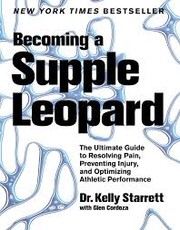
A comprehensive visual guide to movement mechanics, joint mobility, and soft-tissue work. Read after the pain-science foundation so you can apply its techniques with nuance rather than treating every sensation as damage.

Provides the evidence-based 'why' behind flexibility training, correcting common myths about stretching and injury. Its concise, systematic approach pairs well with Starrett's broader movement atlas.
Strength & Load: Building Resilience Through Progressive Training
IntermediateUnderstand how progressive loading, strength training, and structured exercise are the primary drivers of tissue repair and injury resilience — moving from passive recovery to active rebuilding.
▸ Study plan for this stage
Pace: 4–5 weeks, ~40–50 pages/day (approximately 280–350 pages total across both books)
- Progressive overload as the primary stimulus for tissue adaptation and strength development
- The stress-strain relationship: how controlled mechanical stress triggers repair and remodeling in muscles, tendons, and connective tissue
- Movement quality and technique as foundational prerequisites before adding load
- Periodization and structured programming to balance stress and recovery while avoiding plateaus and re-injury
- The role of intensity, volume, and frequency in driving physiological adaptation without exceeding tissue tolerance
- Age-specific and individual variation in recovery capacity and training response
- Bridging from rehabilitation to performance: transitioning injured tissues into resilient, robust structures
- What is progressive overload and why is it essential for moving beyond passive recovery into active tissue rebuilding?
- How does the stress-strain relationship explain why controlled mechanical stress is necessary for tissue repair?
- What role does movement quality play before introducing load, and how do you assess readiness to progress?
- How should training variables (intensity, volume, frequency) be manipulated to drive adaptation while respecting tissue tolerance?
- What is periodization and how does it prevent plateaus and re-injury during the strength-building phase?
- How do age and individual factors influence recovery capacity and training response in injury rehabilitation?
- Read and annotate 'Rebuilding Milo' chapters on movement assessment and loading principles; identify one movement pattern you currently perform poorly and film yourself performing it to assess baseline quality
- Design a 4-week progressive loading plan for one compound movement (squat, deadlift, hinge, or press) using principles from both books; include specific load increments, volume targets, and recovery days
- Perform a self-assessment of your current training program (or lack thereof): map it against the periodization frameworks in 'The Barbell Prescription' and identify where you are in the training cycle
- Implement one week of technique-focused training on a movement you're rebuilding; film daily sessions and compare form progression across the week
- Create a personal recovery and adaptation profile: document your age, training history, current injury status, and sleep/nutrition habits; use this to predict your expected recovery timeline based on principles from both books
- Practice the Valsalva maneuver and bracing techniques described in 'Rebuilding Milo'; perform 3 sets of 5 reps with a light load to establish proper intra-abdominal pressure and spinal stability
Next up: This stage establishes that progressive strength training is the active mechanism of tissue repair and resilience; the next stage will likely explore how to sustain and optimize this resilience through long-term lifestyle integration, nutrition, and prevention strategies.

Written by a physical therapist and strength coach, this is the most direct bridge between rehab and performance training. It provides structured, sport-agnostic protocols for returning to loaded movement after common injuries.

Makes a rigorous, evidence-based case for strength training as medicine and a core pillar of long-term physical resilience. Deepens the reader's understanding of progressive overload as a healing and preventive tool.
Advanced Integration: Evidence-Based Rehab & Return to Activity
ExpertSynthesize pain science, movement, and loading principles into a coherent, evidence-based framework for managing specific injuries, avoiding re-injury, and making smart decisions about return to sport or full activity.
▸ Study plan for this stage
Pace: 6–8 weeks, ~40–50 pages/day (with active note-taking and case review)
- Sport-specific injury patterns and their biomechanical origins across different activities
- Evidence-based assessment frameworks for determining readiness to return to sport (RTS) using objective criteria rather than time-based protocols
- Load management and periodization principles to prevent re-injury and optimize performance during return-to-activity phases
- Integration of pain science with functional movement assessment to guide rehabilitation progression
- Tissue-specific healing timelines and how to match rehabilitation intensity to tissue capacity at each phase
- Prevention strategies grounded in epidemiological data and modifiable risk factors for common sports injuries
- Clinical decision-making: when to refer, when to modify activity, and when to progress loading
- What are the sport-specific injury patterns Micheli identifies for 2–3 sports, and what biomechanical or training factors contribute to each?
- How does Micheli differentiate between time-based and criteria-based return-to-sport protocols, and what objective measures should guide progression?
- Describe a complete rehabilitation framework for one specific injury covered in the book: assessment → early phase → mid-phase → late phase → RTS criteria.
- What role does load management and periodization play in preventing re-injury during return to activity?
- How does Micheli integrate pain science or movement quality into decision-making about when to progress or regress rehabilitation?
- For a given injury, what are the modifiable risk factors Micheli highlights, and how would you design a prevention program?
- Create a one-page injury profile for 3 different sports injuries from the book: include epidemiology, mechanism, tissue involvement, and RTS criteria.
- Design a complete 12-week return-to-sport protocol for one specific injury, with weekly progression milestones, loading parameters, and decision points for regression.
- Conduct a case analysis: take a real or hypothetical athlete with one of Micheli's featured injuries and write a clinical reasoning narrative explaining assessment findings, rehabilitation rationale, and RTS decision.
- Build a prevention program for one sport or injury type using Micheli's epidemiological data and modifiable risk factors; include warm-up, training modifications, and monitoring strategies.
- Compare two different rehabilitation approaches for the same injury (e.g., conservative vs. accelerated) using Micheli's evidence; justify which is appropriate for different athlete profiles.
- Create a decision tree or flowchart for managing one injury type, including red flags for referral, progression criteria, and regression triggers.
Next up: This stage equips you with a comprehensive, injury-specific framework grounded in sports medicine evidence; the next stage will likely deepen expertise in either specialized populations (youth, female athletes, masters), advanced imaging interpretation, or implementation of these principles in real-world clinical or coaching settings.
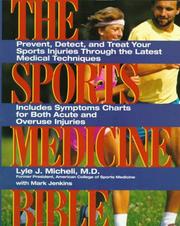
A canonical, clinically grounded reference for common sports injuries, their mechanisms, and their standard-of-care rehab progressions. Best read last, when you have the vocabulary to engage critically with its medical detail.
Discussion
Keep reading
Paths that share books, cover the same subject, or open a related topic.