Fertility and conception: an ordered reading list to start
This curriculum takes a beginner from understanding their own body and cycle, through the science of conception and reproductive health, into evidence-based nutrition and lifestyle optimization, and finally into the clinical landscape of fertility treatment — mirroring the natural journey a person takes when planning a pregnancy. Each stage builds the vocabulary and conceptual foundation needed for the next, so no book feels overwhelming when you reach it.
Foundations: Know Your Body & Cycle
BeginnerUnderstand the menstrual cycle, hormones, ovulation, and basic reproductive anatomy — the essential vocabulary for everything that follows.
▸ Study plan for this stage
Pace: 4–5 weeks, ~25–30 pages/day. Start with Weschler's foundational chapters (1–6, ~80 pages) over 3 weeks, then transition to Briden's core sections (Chapters 1–5, ~70 pages) over 2 weeks. Build in 3–4 days for review and cycle charting practice.
- The four phases of the menstrual cycle (menstruation, follicular, ovulation, luteal) and their hormonal drivers (FSH, LH, estrogen, progesterone)
- How to identify and predict ovulation through multiple biomarkers: basal body temperature (BBT), cervical mucus patterns, and cervical position
- The role of the hypothalamic-pituitary-ovarian (HPO) axis in regulating the cycle and maintaining hormonal balance
- Common cycle irregularities (anovulation, short luteal phase, PCOS, endometriosis) and their underlying causes
- The distinction between contraceptive hormones and natural cycle tracking; why hormonal birth control masks cycle signals
- How nutrition, stress, sleep, and exercise directly impact cycle health and fertility
- Practical charting methods to observe and record cycle data for self-knowledge and troubleshooting
- What are the four phases of the menstrual cycle, and which hormones dominate each phase?
- How do basal body temperature, cervical mucus, and cervical position change across the cycle, and why do these changes occur?
- What is the fertile window, and how can you identify it using multiple biomarkers?
- What is the difference between a regular cycle and an anovulatory cycle, and what are common causes of anovulation?
- How does the hypothalamic-pituitary-ovarian axis work, and what can disrupt it?
- What lifestyle factors (nutrition, stress, sleep, exercise) most directly affect cycle regularity and fertility, and how?
- Chart your own cycle for at least 2–3 months using the Symptothermal Method (BBT + cervical mucus + cervical position). Record daily observations in a paper chart or app.
- Take your basal body temperature every morning before getting out of bed for 30 days. Plot the data and identify the shift that marks ovulation.
- Observe and document your cervical mucus daily, noting texture, color, and stretch. Correlate changes with the cycle phase.
- Create a visual timeline of one complete cycle, labeling the four phases, key hormones, and biomarker changes at each stage.
- Identify one lifestyle stressor (sleep, diet, exercise, stress) and track how changes to it affect your cycle over 2–3 months.
- Write a 1–2 page summary of your own cycle pattern: When do you ovulate? How long is your luteal phase? Are there irregularities? What might explain them based on Briden's framework?
Next up: This stage equips you with the language and self-knowledge to recognize your unique cycle pattern, which is essential for the next stage—whether that focuses on optimizing fertility, managing cycle-related symptoms, or choosing appropriate contraception methods.
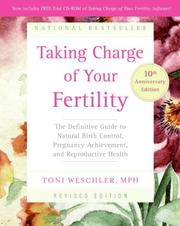
The definitive starting point for anyone learning about their cycle. Weschler explains the Fertility Awareness Method in plain language, teaching readers to read their own body's signals before diving into any science or treatment.

Builds directly on cycle awareness by explaining what a healthy period looks like versus common disorders (PCOS, endometriosis, thyroid issues) — giving readers a clinical lens on the signals Weschler teaches them to track.
The Science of Conception
BeginnerUnderstand how fertilization, implantation, and early pregnancy actually work at a biological level, and what factors influence success.
▸ Study plan for this stage
Pace: 4–5 weeks, ~25–30 pages/day. Start with "Before Your Pregnancy" (weeks 1–2, ~200 pages), then move to "The Impatient Woman's Guide" (weeks 3–5, ~250 pages). Allow 2–3 days for review and integration at the end.
- The menstrual cycle phases (follicular, ovulation, luteal) and how to identify your fertile window
- Sperm biology: lifespan, motility, and the journey to the egg
- Fertilization mechanics: how sperm meets egg and the formation of the zygote
- Implantation process: blastocyst development and embedding in the uterine lining
- Hormonal signaling (FSH, LH, progesterone, hCG) and its role in conception and early pregnancy
- Factors affecting fertility success: age, egg quality, sperm health, timing, and lifestyle
- Early pregnancy markers and how pregnancy is confirmed biologically
- Common misconceptions about conception and evidence-based facts from current research
- What are the four main phases of the menstrual cycle, and when is the fertile window most likely to occur?
- How long can sperm survive in the female reproductive tract, and why does this matter for timing intercourse?
- Describe the journey of a sperm cell from ejaculation to fertilization of the egg.
- What happens during implantation, and how does the blastocyst communicate with the uterus?
- How do FSH, LH, and progesterone regulate the menstrual cycle and support early pregnancy?
- What are the main age-related and lifestyle factors that influence fertility, and what does the research say about their impact?
- Track your own menstrual cycle for at least one full month, noting cycle length, ovulation signs (cervical mucus, basal body temperature if available), and identifying your personal fertile window.
- Create a detailed diagram or flowchart of the menstrual cycle showing hormone levels, ovarian changes, and uterine lining changes across all phases.
- Write a 'sperm's journey' narrative: trace the path of a single sperm cell from ejaculation through fertilization, noting biological barriers and timing challenges.
- Develop a comparison chart of common fertility myths vs. evidence-based facts from both books (e.g., timing myths, age effects, lifestyle factors).
- Create a timeline of early pregnancy development from fertilization through implantation (days 0–12), noting key biological milestones and hormonal changes.
- Conduct a personal fertility assessment: based on the books' frameworks, identify your own risk factors and protective factors for conception success, then research one evidence-based intervention.
Next up: This stage establishes the biological foundation of how conception works, preparing you to move into the next stage where you'll learn practical strategies to optimize fertility, troubleshoot barriers, and navigate medical testing and treatment options.
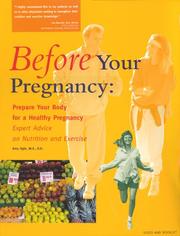
A medically grounded preconception guide written by registered dietitians and reviewed by OB-GYNs; it bridges cycle knowledge into actionable pre-pregnancy planning and introduces key biological concepts accessibly.

A research psychologist cuts through fertility myths with actual data on age, timing, and conception odds — perfect here because it teaches readers to evaluate fertility statistics critically before moving into deeper science.
Nutrition, Lifestyle & Hormonal Health
IntermediateApply evidence-based nutrition and lifestyle strategies to optimize egg quality, hormone balance, and overall reproductive health.
▸ Study plan for this stage
Pace: 6–8 weeks, ~40–50 pages/day (mix of dense science and practical protocols; allow extra time for note-taking and meal planning)
- Mitochondrial function and egg quality: how oxidative stress damages oocytes and how antioxidants (CoQ10, vitamin E, folate) protect them across the 90-day egg maturation window
- Micronutrient deficiencies and reproductive outcomes: the roles of vitamin D, iron, zinc, selenium, and B vitamins in hormone synthesis, ovulation, and implantation
- Insulin resistance and metabolic health: how blood sugar dysregulation impairs fertility through hormonal disruption (PCOS, anovulation) and how dietary patterns restore sensitivity
- Dietary pattern effects on fertility: the Mediterranean-style approach emphasizing whole grains, plant proteins, healthy fats, and fish versus processed foods and trans fats
- Lifestyle factors beyond diet: sleep, stress, exercise intensity, and environmental toxin exposure as modulators of reproductive hormone balance and egg quality
- Practical supplementation protocols: evidence-based dosing and timing of key supplements (CoQ10, prenatal vitamins, omega-3s) tailored to individual needs
- Hormone-food interactions: how specific nutrients support estrogen metabolism, progesterone production, and luteal phase health
- Explain the 90-day egg maturation window and how antioxidant supplementation during this period can improve egg quality. What are the key antioxidants discussed and their mechanisms?
- What is the relationship between insulin resistance and fertility, and how do the dietary recommendations in both books address blood sugar management?
- Compare the nutritional approaches in 'It Starts with the Egg' and 'The Fertility Diet'—what are the overlaps and key differences in their supplement and food recommendations?
- Design a week of meals that incorporates the fertility diet principles from both books. What specific foods are prioritized and why?
- How do lifestyle factors (sleep, stress, exercise) interact with nutrition to affect reproductive hormone balance? Provide specific examples from the texts.
- What micronutrient deficiencies most commonly impair fertility, and what are the evidence-based strategies to address them?
- Create a personal micronutrient audit: track your current intake of vitamin D, iron, folate, CoQ10, and omega-3s against the recommendations in both books. Identify gaps and plan supplementation or dietary changes.
- Design a 2-week meal plan using recipes and principles from 'The Fertility Diet' that emphasizes whole grains, plant proteins, healthy fats, and fish while minimizing processed foods and trans fats.
- Conduct a lifestyle inventory: assess your current sleep (7–9 hours?), stress management, exercise intensity (moderate vs. excessive), and environmental toxin exposure. Map these against hormone health principles from the books.
- Research and compare 3–4 prenatal vitamin brands using the criteria outlined in 'It Starts with the Egg' (CoQ10 content, form of folate, absence of unnecessary fillers). Document your findings.
- Implement a 4-week supplement protocol based on your audit: take recommended doses of CoQ10, vitamin D, and omega-3s, and track any subjective changes in energy, cycle regularity, or mood.
- Interview or survey 2–3 people who have applied these nutrition and lifestyle strategies. Document their experience, challenges, and outcomes to ground the theory in real-world application.
Next up: This stage equips you with the nutritional and lifestyle foundations to optimize reproductive health; the next stage will likely build on this by exploring medical interventions, diagnostic testing, or specific fertility protocols that work synergistically with the evidence-based nutrition and lifestyle practices you've now mastered.

A biochemist synthesizes peer-reviewed research on egg quality, antioxidants, and environmental toxins into specific, actionable recommendations — the most science-dense nutrition book appropriate at this stage.
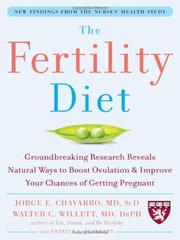
Based on the landmark Harvard Nurses' Health Study, this book presents rigorous epidemiological evidence for dietary patterns that support ovulatory fertility, complementing Fett's supplement-focused approach with whole-diet strategy.
When It's More Complex: Conditions & Assisted Conception
IntermediateNavigate common fertility conditions (PCOS, endometriosis, unexplained infertility) and understand assisted reproductive technologies (IUI, IVF) as informed partners with your medical team.
▸ Study plan for this stage
Pace: 4–5 weeks, ~25–30 pages/day (approximately 150–200 pages total)
- PCOS as a metabolic and endocrine disorder: insulin resistance, androgen excess, and ovulatory dysfunction as interconnected root causes
- The spectrum of PCOS presentations and how symptoms vary widely across individuals (reproductive, metabolic, dermatological)
- Dietary and lifestyle interventions as first-line management: carbohydrate quality, anti-inflammatory foods, and exercise protocols
- Hormonal testing and diagnostic criteria: understanding LH/FSH ratios, testosterone, insulin levels, and ultrasound findings
- Supplement and medication options (inositol, metformin, spironolactone) and when each is appropriate
- PCOS and fertility: how insulin resistance and anovulation affect conception, and realistic expectations for natural vs. assisted conception
- The mind-body connection in PCOS: stress, sleep, and emotional resilience as modifiable fertility factors
- When and how to partner effectively with reproductive endocrinologists and other specialists
- What is the relationship between insulin resistance and PCOS, and why does managing insulin sensitivity improve fertility outcomes?
- How do the diagnostic criteria for PCOS work, and what tests should you request from your doctor to confirm diagnosis?
- What dietary and lifestyle changes does Gersh recommend as foundational PCOS management, and how do they differ from generic fertility advice?
- How does PCOS affect ovulation and fertility, and what are realistic timelines for conception with lifestyle changes alone vs. with medical support?
- What supplements and medications are discussed in the book, and what does the evidence say about their effectiveness for PCOS and fertility?
- How can stress, sleep, and emotional health impact PCOS symptoms and fertility, and what practical strategies does the book offer?
- Track your current diet for 3–5 days and identify high-glycemic or inflammatory foods; redesign one meal per day using Gersh's carbohydrate-quality principles
- Request and review your own hormone panel (LH, FSH, testosterone, insulin, fasting glucose); map your results against PCOS diagnostic criteria and note which hormones are elevated
- Design a personalized 4-week meal plan using anti-inflammatory, low-glycemic recipes aligned with Gersh's nutritional framework; prep and cook at least two new recipes
- Create a weekly movement routine (30–60 minutes) that combines resistance training and aerobic activity as Gersh recommends; track energy, mood, and cycle changes over 4 weeks
- Write a one-page summary of your PCOS presentation (symptoms, test results, family history) and list 3–5 questions to ask your doctor at your next visit
- Develop a stress-management and sleep-optimization plan (e.g., meditation, sleep hygiene, journaling) and monitor its impact on energy and cycle regularity over 2–3 weeks
Next up: Understanding PCOS as a metabolic condition and mastering lifestyle and medical management prepares you to evaluate whether assisted reproductive technologies (IUI, IVF) are necessary and how to optimize your body's readiness before pursuing them.

Provides a deep, systems-based understanding of PCOS — the most common hormonal disorder affecting fertility — building on the hormonal vocabulary established in earlier stages.
Mind, Body & the Whole Journey
ExpertIntegrate the psychological, emotional, and holistic dimensions of the fertility journey, and understand how stress, mindset, and whole-person health interact with reproductive outcomes.
▸ Study plan for this stage
Pace: 8–10 weeks, ~40–50 pages/day, with 2–3 reflection days per week
- The mind-body connection in fertility: how stress, emotions, and beliefs directly impact reproductive physiology and conception outcomes
- Traditional Chinese Medicine (TCM) framework for fertility: qi, blood, and constitutional imbalances as root causes of infertility
- The stress-cortisol-fertility axis: mechanisms by which chronic stress suppresses reproductive function and how to interrupt this cycle
- Whole-person assessment: diagnosing fertility issues through lifestyle, emotional patterns, and systemic health rather than isolated symptoms
- Mindfulness, cognitive reframing, and emotional processing as clinical tools for improving fertility outcomes
- The role of nutrition, sleep, movement, and environmental toxins in supporting reproductive health
- Building resilience and hope during the fertility journey: psychological strategies for managing grief, shame, and identity shifts
- Integration of conventional and complementary approaches: when and how to combine medical treatment with mind-body practices
- How does chronic stress physiologically interfere with ovulation and conception, and what are evidence-based mechanisms to reverse this?
- What are the five constitutional patterns in TCM fertility diagnosis, and how do they manifest in Western terms?
- How can cognitive-behavioral techniques and mindfulness practices be applied to improve fertility outcomes, and what does the research show?
- What role do nutrition, sleep quality, and movement play in reproductive health, and how do you assess deficiencies in these areas?
- How do shame, identity loss, and grief affect the fertility journey, and what psychological interventions help patients move through these emotions?
- How do you create an integrated treatment plan that honors both conventional medicine and mind-body approaches?
- Complete a personal stress audit: map your daily stressors, measure cortisol patterns (via timing of energy/mood), and identify 3 stress-interruption practices to test for 2 weeks
- Assess your own constitutional pattern using TCM principles from Lewis: identify your primary imbalance (e.g., kidney yang deficiency, liver qi stagnation) and journal how it manifests in your body, emotions, and lifestyle
- Practice a 10-minute daily mindfulness meditation for 3 weeks, tracking changes in sleep quality, anxiety, and menstrual regularity or other fertility markers
- Create a nutrition and lifestyle audit: log sleep, movement, diet, and environmental exposures for one week, then identify 2–3 changes aligned with the books' recommendations
- Write a personal fertility narrative: describe your fertility journey, the emotions and beliefs you hold about your body, and identify one limiting belief to reframe using Domar's cognitive techniques
- Design a 12-week integrated fertility plan that combines one conventional medical approach with 2–3 mind-body practices from the books; track adherence and subjective outcomes
Next up: This stage equips you with a holistic, psychosomatic framework for understanding fertility—preparing you to evaluate how specific medical interventions (IVF, medications, surgery) interact with psychological resilience and lifestyle, and to design personalized, whole-person treatment protocols in the next stage.
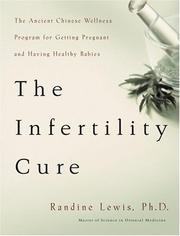
A licensed acupuncturist and Western medicine practitioner bridges Eastern and Western approaches to reproductive health, offering a complementary perspective that rounds out the science-heavy earlier stages.
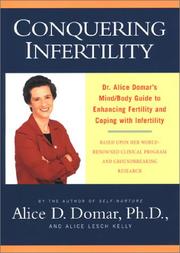
A Harvard psychologist presents her landmark mind-body program for fertility patients, synthesizing stress research and cognitive behavioral techniques — the ideal capstone that addresses the emotional reality of the entire journey.
Discussion
Keep reading
Paths that share books, cover the same subject, or open a related topic.