Harry Potter Reading Order and Reading Guide
Harry Potter is one of the few series where the reading order is genuinely simple: publication order and story order are the same, and the books were written to be read straight through. What this path adds is a sense of where the tone shifts, where the pace changes, and where the companion volumes and the stage play actually belong — which is after the seven novels, not woven into them.
The school-story years
BeginnerGet through the three shortest, lightest books and learn the world's rules before the series changes register.
▸ Study plan for this stage
Pace: 3–5 weeks for all three, and much less if a child is reading them or being read to. Sorcerer's Stone is around 300 pages, Chamber of Secrets around 340, Prisoner of Azkaban around 420 — a chapter a night gets you through each in a fortnight. These are the only three books in the series short enough
- Publication order and story order are identical here, so there is no ordering decision to make — the only real question is when to stop, and the answer is nowhere in these three
- Sorcerer's Stone is published in the UK and most of the world as Philosopher's Stone; it is the same book with one changed word, and buying both by accident is the commonest mistake readers make
- The school-year structure — arrival, term, Quidditch, exams, crisis at the end — is a template that the first three books follow almost exactly, and that the later books break
- Chamber of Secrets is widely called the weakest of the seven and is the one people skip; the diary at its centre is the single most load-bearing object in the whole series and book six is unreadable without it
- Prisoner of Azkaban is where the register changes: no Voldemort, a genuinely constructed time-travel plot, and the first real information about the war that happened before Harry was born
- The rules of the world are being taught in these books rather than used — houses, wands, Quidditch, the Ministry — and later books assume all of it without re-explaining
- J.K. Rowling's public statements on transgender issues have made the books contested for many readers, which is worth knowing before you buy seven of them for a child or for yourself
- Reading age and content age come apart across the series: these three are for eight-year-olds, and the reader who finishes them in a month is not the reader book five is written for
- What does each of the three books teach you about the world that book four then takes for granted?
- Why is the diary in Chamber of Secrets worth remembering four books later, and what does Harry actually learn about how it worked?
- Prisoner of Azkaban drops Voldemort entirely. What does the series gain from a book where the villain is a misunderstanding?
- By the end of book three, what do you know about Harry's parents that you did not know at the start of book one, and who told you?
- If you were handing these to an eight-year-old, where in the sequence would you expect to pause, and why?
- Check which edition you have before you start — Sorcerer's Stone and Philosopher's Stone are the same novel, and the chapter titles will confirm it.
- Keep one page of notes on objects rather than people: the diary, the mirror, the cloak, the map. The series pays off objects far more reliably than it pays off characters.
- After Prisoner of Azkaban, write down what you think the Voldemort war was actually about. Book four will start correcting you almost immediately.
- Time yourself on one of these and multiply by two. That is roughly what Goblet of Fire will cost you, and knowing it in advance prevents the stall that catches most readers.
Next up: You now have the rules of the world and the school-year rhythm, both of which the next two books deliberately break.
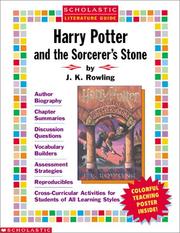
The only correct starting point: it teaches you Hogwarts, the houses, Quidditch and the Voldemort backstory that every later book assumes. Published in the UK as Philosopher's Stone — same book, different title.

Often called the weakest of the seven, but do not skip it — the diary at its centre is the single most load-bearing object in the entire series, and book six depends on you having met it.
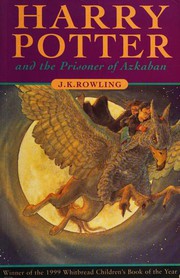
The book where the series stops being a school story and starts being about the war that preceded it. Read here, in order, so the revelation about Harry's parents lands with the weight it was built for.
The turn
BeginnerRead the two books where the series doubles in length and darkens, and understand why the pacing changes.
▸ Study plan for this stage
Pace: 6–8 weeks. Goblet of Fire is about 670 pages and Order of the Phoenix about 870 — together they are longer than the first three books combined. Thirty pages a day is realistic. Expect Order of the Phoenix to be the hardest read in the series and budget extra time for its middle third rather than tre
- This is the point every parent and new reader wants flagged: the books get substantially longer and substantially darker from book four, and the change is abrupt rather than gradual
- Goblet of Fire is a war novel wearing a tournament plot — the Triwizard structure takes up most of the book and the last hundred pages are the reason it exists
- A named character dies in Goblet of Fire and the series never returns to its earlier tone; if you are reading aloud to a child, this is the book to preview first
- Order of the Phoenix is the longest and the most divisive: slow, angry, bureaucratic, and centred on an adolescent who is unpleasant to be around for six hundred pages
- Umbridge is the series' most effective villain precisely because she is an administrator, and the readers who find book five unbearable and the readers who find it the best are responding to the same thing
- The prophecy delivered at the end of book five is the mechanism the last two books run on — everything before it is arguably preamble
- Institutional failure becomes the real subject here: the Ministry, the press and the school are all shown to be unreliable, which is a different kind of story from the one books one to three told
- The pacing complaint about book five is fair and worth accepting rather than arguing with; the payoff is concentrated in its final two hundred pages
- What changes about the series in the last hundred pages of Goblet of Fire that cannot be undone afterwards?
- Order of the Phoenix spends enormous space on bureaucracy and detention. What is that space buying, and does it earn it?
- Why is Harry so angry in book five, and is the novel asking you to sympathise with him or to find him difficult?
- State the prophecy in your own words. What exactly does it commit the last two books to doing?
- Both books are roughly twice the length of anything earlier. What is Rowling doing with the extra room that she could not do before?
- Before starting, decide your daily page count and hold to it. The commonest way to abandon this series is to hit book five at book-three pace.
- If you are giving these to a child, read the last four chapters of Goblet of Fire yourself first and make an explicit decision about timing.
- Write down every institution the two books show failing, and who suffers for each failure. That list is the spine of the remaining series.
- Note the exact scene where you stopped thinking of Hogwarts as safe. It is usually earlier in book four than readers expect.
Next up: With the prophecy in hand and the war open, the last two books are no longer school stories at all — and one of them abandons the school entirely.
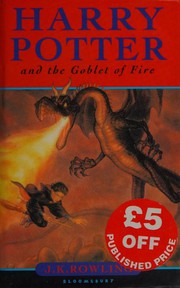
Twice the length of anything before it and the hinge of the whole sequence — everything after this is a war novel. Expect the tournament to occupy most of the book and the last hundred pages to change the series.

The longest and the most divisive: slow, angry and full of bureaucracy, which is the point. Push through the middle; it sets up the prophecy that the final two books are built on.
The endgame
BeginnerFinish the seven-book arc and see how the earlier books were quietly planting its machinery.
▸ Study plan for this stage
Pace: 4–5 weeks for both, around 640 and 700 pages. Read them close together — ideally with no more than a week between them — because Deathly Hallows opens on the emotional beat Half-Blood Prince ends on and loses a great deal if that beat has gone cold. Half-Blood Prince reads faster than its length sug
- Half-Blood Prince is structurally a backstory book: its plot device is a series of memories, and its purpose is explaining what Voldemort actually did with his life
- The diary from Chamber of Secrets is retroactively explained here, which is why skipping book two costs you book six
- Deathly Hallows is the only book in the series with no Hogwarts term to organise it, and its middle section — three people in a tent, achieving very little — is the most criticised stretch in the series and the most thematically deliberate
- The title objects of the last book and the objects introduced in book six are two competing systems, and the novel's climax is a choice between them
- Snape's arc resolves across both books and is the series' one genuinely re-readable piece of construction; most readers miss the groundwork the first time
- The epilogue is universally divisive and structurally detachable — knowing that in advance takes the sting out of it
- Deathly Hallows closes threads from all six predecessors, which means it rewards reading the sequence within a year rather than across a decade
- This is where the series ends. Everything after it in this path is a companion volume, not a continuation
- What does Half-Blood Prince tell you about Voldemort that changes how you read his appearances in books one, two and four?
- Why does Deathly Hallows take Harry out of Hogwarts, and what would be lost if it had kept the school-year structure?
- The tent section is the series' most disliked passage. What is it doing that a faster plot could not do?
- Trace Snape backwards from the end of book seven to his first scene. Where was the information hidden, and where was it withheld unfairly?
- What does the ending assert about the wizarding world's institutions after five books of showing them fail?
- Before starting Half-Blood Prince, reread the last two chapters of Chamber of Secrets. Twenty minutes, and it converts book six's central revelation from confusing to inevitable.
- Keep a running list of the objects Dumbledore is hunting, and check it against the list at the end. The gap is the book's argument.
- After finishing, reread Snape's first scene in Sorcerer's Stone. This is the single most rewarding re-read in the series.
- Decide for yourself whether to read the epilogue before you get to it, and stick to the decision. Readers who back into it resent it more.
Next up: The seven-book story is complete; what remains are the short in-world books and the stage script, all of which assume you have finished it.
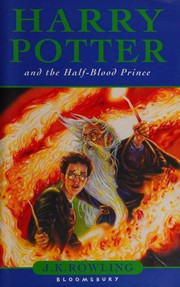
The backstory book: it explains what Voldemort actually did, and it only works because you read Chamber of Secrets four books ago.

The finale, and the only book with no Hogwarts term to structure it. It closes threads from all six predecessors, so read it last and read it soon after Half-Blood Prince.
The companions and the stage play
BeginnerDecide which of the extras are worth your time and why none of them belong inside the main sequence.
▸ Study plan for this stage
Pace: A week, comfortably. Quidditch Through the Ages is about 96 pages, Fantastic Beasts and Where to Find Them about 115, The Tales of Beedle the Bard about 130 — each is a single sitting. Harry Potter and the Cursed Child is a 340-page script and reads in two or three evenings because it is almost enti
- These are companions, not sequels: three of them are in-world artefacts written as if by wizards, and one is a stage script
- The Tales of Beedle the Bard contains a story that is central to Deathly Hallows, which is exactly why it must be read after book seven and never before
- Fantastic Beasts and Where to Find Them is a short in-world bestiary whose pleasure is the marginalia; the films sharing its name tell a completely different story and are not adaptations of it
- Quidditch Through the Ages is a fake sports history and the slightest of the four — genuinely fun, entirely skippable, best treated as dessert
- Harry Potter and the Cursed Child is a play co-written with Jack Thorne and John Tiffany, and it reads like a play: stage directions, scene headings, no interiority at all
- The Cursed Child is best approached as an optional epilogue rather than book eight; readers who expect a novel are reliably disappointed by the form before they get to the content
- Reading a script is a different skill from reading a novel — the emotional work that prose would do is assigned to actors, and the page will feel thin if you do not supply it
- Nothing here changes the seven-book story, which is the strongest argument for reading them last
- Which story in The Tales of Beedle the Bard matters to Deathly Hallows, and what does reading it in full add that book seven's version does not?
- What is the joke of Quidditch Through the Ages, and who is it aimed at?
- Fantastic Beasts is presented as Harry's own school textbook, annotations included. What does that framing let Rowling do that a straight reference book could not?
- Reading The Cursed Child as a script rather than a novel: what is missing from the page, and what would a production supply?
- Having read all four, which of them would you actually recommend to someone who has just finished book seven, and why not the others?
- Read The Tales of Beedle the Bard in one sitting immediately after finishing Deathly Hallows, while the ending is still fresh.
- Read the first ten pages of The Cursed Child aloud. Script format stops feeling flat almost immediately once it is spoken.
- Skim the marginal annotations in Fantastic Beasts before reading the entries — the notes are the actual content.
- Write one paragraph on which of the four you would drop from this path. Every reader drops a different one, and the argument is more useful than the reading.
Next up: That is the whole of the printed Potter canon in the order it works best; anything further is film, and a different story.
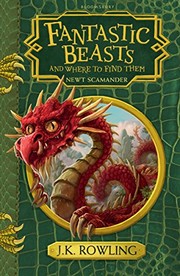
A short in-world textbook, not a novel. Read it after the seven for the pleasure of the marginalia — and know that the films sharing its name tell a different story entirely.

The slightest of the companions and the most purely fun: a fake sports history. A one-sitting read, best saved as dessert.
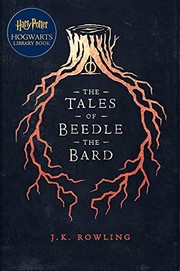
The most rewarding companion, because one of its stories is central to Deathly Hallows. Read it after book seven, never before.

A stage script co-written with Jack Thorne, not a novel, and it reads like one — dialogue and stage directions. Treat it as an optional epilogue rather than book eight.
Discussion
Keep reading
Paths that share books, cover the same subject, or open a related topic.