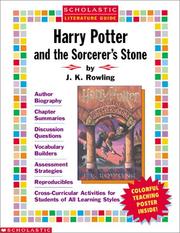
Start with Harry Potter and the Sorcerer's Stone. It is the first book published, the first book chronologically, and the only sensible entry point: the series teaches its own rules in strict sequence and the later volumes never re-explain them. The one complication is the cover. Outside the United States the same novel is titled Harry Potter and the Philosopher's Stone — one changed word and nothing else — and buying both by accident is the commonest mistake readers make.
The second question people actually have is where the slim companion volumes go, and the answer is nowhere near the beginning. Read the seven novels straight through first. The extras are footnotes to a world you have not visited yet.
The seven novels
Harry Potter and the Sorcerer's Stone, Harry Potter and the Chamber of Secrets and Harry Potter and the Prisoner of Azkaban are the school-story years: arrival, term, Quidditch, exams, a crisis in the last fifty pages. Each runs 300 to 420 pages, and a child can get through one in a fortnight.
Harry Potter and the Chamber of Secrets is the volume people skip, usually on the grounds that it is the weakest. Do not skip it. The diary at its centre is the most load-bearing object in the entire series, and Harry Potter and the Half-Blood Prince is close to unreadable without it.
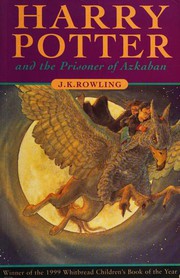
Harry Potter and the Prisoner of Azkaban is where the register changes: no Voldemort at all, a genuinely constructed time-travel plot, and the first real information about the war that happened before Harry was born.
The break at book four
This is the thing to know before you hand the set to a nine-year-old. Harry Potter and the Goblet of Fire runs around 670 pages and Harry Potter and the Order of the Phoenix around 870 — together longer than the first three combined — and the change is abrupt rather than gradual. A named character dies on the page in book four, the tone turns to wartime paranoia in book five, and the reader who finished the first three in a month is not the reader book five was written for.
Harry Potter and the Order of the Phoenix is the hardest read in the series: long, angry, and with a middle third that stalls a lot of people. Budget extra time rather than treating the stall as a failure. Harry Potter and the Half-Blood Prince is the shortest of the late books and pays off the most setup. Harry Potter and the Deathly Hallows abandons the school-year structure entirely, which is why its slow middle surprises readers who assumed a term would be underway.
The companion books
Three short in-world volumes sit alongside the novels: Fantastic Beasts and Where to Find Them, Quidditch Through the Ages and The Tales of Beedle the Bard. They are artefacts rather than stories — a textbook, a sports history and a collection of wizarding fairy tales — and each takes an hour. Read them after book seven. The Tales of Beedle the Bard is the one with real bearing on the plot, because one of its stories is the key to Harry Potter and the Deathly Hallows, and reading it early spoils that reveal.
Where to stop
Stop after Harry Potter and the Deathly Hallows if you want the story as it was written. Harry Potter and the Cursed Child is a stage play script credited to Jack Thorne, from a story developed with J.K. Rowling and John Tiffany, set nineteen years later. It is a different form — dialogue and stage directions, readable in an evening — and opinion on it is genuinely split, with a large share of readers treating it as licensed fan fiction rather than book eight. Read it if you want more of the world; it is nobody's idea of a finale.
One factual note before you commit to seven hardbacks: J.K. Rowling's public statements on transgender issues have made the books contested for many readers, and some now buy them second-hand or not at all. That is a decision for you rather than for a reading guide.
Browse more series reading orders on Discover.
Follow the full ordered path here: Harry Potter Reading Order and Reading Guide.