Gospel music is usually encountered backwards — through the singers who left it. People find Sam Cooke, Aretha Franklin or Ray Charles first and only afterwards learn where the vocal technique, the call-and-response, and the rhythmic feel came from. Reading in chronological order corrects that, and it turns a genre history into something more interesting: an account of how sacred music was repeatedly transformed by, and then transformed, the popular music around it.
The path below runs from the spirituals through the invention of gospel blues in 1930s Chicago to the golden age quartets and finally to the crossover that produced soul. The tension running through all of it — that moving this music into commercial settings was seen by many in the church as a betrayal — is the story's central conflict, and every book takes a position on it.
The nineteenth-century root
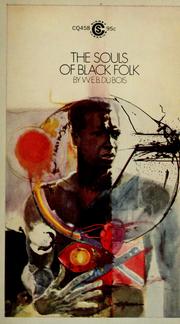
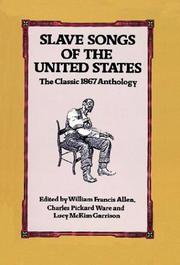
Start with The Souls of Black Folk. W. E. B. Du Bois's closing chapter on the sorrow songs is the founding piece of writing on Black sacred music in America, and the book as a whole establishes the framework — double consciousness, the church as institution — that later scholars use. Then Slave Songs of the United States, the 1867 collection by Allen, Ware and Garrison, which is the earliest substantial transcription of the spirituals. Read it as a primary document, complete with its compilers' visible struggle to notate rhythms and inflections their notation could not hold.
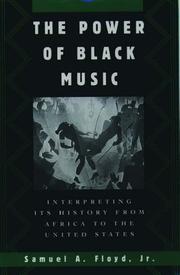
The Power of Black Music by Samuel Floyd Jr. is the theoretical spine: he traces musical practices — call and response, the ring shout, signifying — from African sources through the spirituals into jazz, gospel and beyond. It is the most analytically demanding book here and the one that gives you a vocabulary for what you are hearing. If you want more of that vocabulary, music theory is the adjacent track.
The invention of gospel
The rise of gospel blues by Michael Harris is the pivotal book: a study of Thomas A. Dorsey, who moved from playing blues piano as Georgia Tom to writing sacred songs that used blues form and feeling, and who faced serious resistance from established churches for doing it. This is the moment gospel as we know it is created, and Harris treats it as both a musical and an institutional history.
How sweet the sound by Horace Clarence Boyer covers the golden age that followed — the quartets, Mahalia Jackson, Clara Ward, the Soul Stirrers, the Dixie Hummingbirds — from a scholar who was also a working gospel musician. It is the strongest book on the singing itself.
The gospel sound by Tony Heilbut is the journalist's counterpart: interviews and profiles from decades of following the artists, gossipy where Boyer is analytical, and full of detail no archive holds. Read both; they cover the same era and disagree pleasantly.
Out of the church
Sweet soul music by Peter Guralnick tracks the Southern soul of Stax and Muscle Shoals and makes the continuity explicit — the vocal technique and the emotional architecture of soul are gospel's, redirected. Dream boogie is Guralnick's biography of Sam Cooke, the clearest single case study of the crossing: the Soul Stirrers' lead singer becoming a pop star, and the cost of it inside the gospel world.
Close with Respect, David Ritz's biography of Aretha Franklin, whose father's Detroit church was a gospel institution and whose greatest records never really left it.
Follow the full path in order and the line from a ring shout to a Stax single is unbroken. The funk hub picks the story up on the rhythmic side.
Follow the full ordered path here: Best Books on Gospel Music, in Reading Order.