Gluten-free baking: the best books for breads, cakes, and pastries
This curriculum takes a beginner from zero gluten-free knowledge to confident, technique-driven mastery across breads, cakes, and pastries. Each stage builds on the last: first understanding why gluten-free baking behaves differently, then developing a reliable repertoire, and finally diving into the science and artisan-level craft that separates good results from exceptional ones.
Foundations: Understanding the Gluten-Free Kitchen
BeginnerUnderstand why gluten-free baking is different, learn the core alternative flours and binders (xanthan gum, psyllium husk, eggs), and successfully complete simple, forgiving recipes to build confidence.
▸ Study plan for this stage
Pace: 4–5 weeks, ~25–30 pages/day, with 2–3 baking sessions per week
- Why gluten provides structure, elasticity, and rise in traditional baking, and what happens when it's removed
- The role and characteristics of alternative flours (rice flour, almond flour, tapioca starch, sorghum flour, etc.) and how they differ from wheat flour
- How xanthan gum and psyllium husk replace gluten's binding and thickening functions, and proper dosing for different recipes
- The function of eggs as binders, leaveners, and structure-builders in gluten-free baking
- Why gluten-free batters and doughs behave differently (wetter, more delicate) and require adjusted mixing and handling techniques
- How to read and interpret gluten-free recipes critically, understanding ingredient ratios and why substitutions matter
- The importance of precision, weight measurements, and testing in gluten-free baking versus traditional baking
- Building confidence through simple, forgiving recipes before attempting complex ones
- Why is gluten important in traditional baking, and what structural problems arise when it's removed?
- What are the main alternative flours used in gluten-free baking, and what are the strengths and limitations of each?
- How do xanthan gum and psyllium husk work as binders, and what are typical dosing guidelines?
- What role do eggs play in gluten-free baking beyond just moisture?
- How does the texture and handling of gluten-free batter differ from traditional batter, and why?
- What are three key differences in technique or approach when following a gluten-free recipe versus a traditional one?
- Bake the simple recipes from 'Gluten-free Girl and the Chef' (e.g., basic cookies or muffins) and document how the batter looks, feels, and behaves compared to traditional recipes you've made
- Make a side-by-side comparison: bake the same recipe type using a traditional wheat flour version and a gluten-free version from 'How Can It Be Gluten Free,' noting texture, rise, and taste differences
- Prepare three different gluten-free flour blends (rice-based, almond-based, and a mixed blend) and test each in a simple cookie recipe to observe how flour composition affects outcome
- Experiment with xanthan gum dosage: bake the same recipe with the recommended amount, then with 25% less and 25% more, documenting the textural differences
- Bake at least two recipes from 'How Can It Be Gluten Free Cookbook' that use different binders (one with xanthan gum, one with psyllium husk or eggs), and compare their structure and crumb
- Keep a detailed baking journal for each recipe attempted, recording ingredient weights, oven temperature, baking time, visual cues for doneness, and final texture—identify patterns in what works
Next up: This stage builds the foundational knowledge and hands-on confidence needed to move into the next stage, where you'll tackle more complex recipes (laminated doughs, cakes with multiple components, or yeast-based breads) and learn advanced troubleshooting techniques.
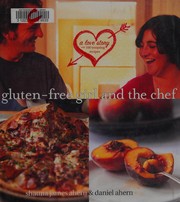
A warm, narrative-driven introduction that explains the emotional and practical shift to gluten-free cooking and baking, making it ideal first reading to build motivation and basic vocabulary before tackling technique.
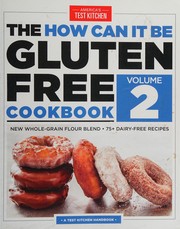
America's Test Kitchen rigorously explains WHY each ingredient substitution works, giving beginners a clear mental model of flour blends and binders that underpins everything that follows.
Building a Repertoire: Everyday Baking
BeginnerDevelop a reliable collection of everyday gluten-free baked goods — muffins, cookies, quick breads, and simple cakes — while internalizing the role of moisture, fat, and starch in texture.
▸ Study plan for this stage
Pace: 6–8 weeks, ~25–30 pages/day, with 2–3 baking sessions per week
- The role of moisture in gluten-free batters and doughs—why gluten-free recipes require more liquid and how to achieve the right consistency
- Fat as a texture builder: how different fats (butter, oil, eggs) create tenderness, richness, and structure in gluten-free baked goods
- Starch blending and selection: understanding how different starches (cornstarch, tapioca, potato) affect crumb structure, rise, and mouthfeel
- Binding agents and leavening: how xanthan gum, psyllium husk, eggs, and chemical leaveners compensate for gluten's binding and rising properties
- Practical troubleshooting: identifying and correcting common failures (dense crumbs, dry texture, spreading, collapse) in everyday recipes
- Scaling and adapting: how to confidently modify recipes and understand why gluten-free baking ratios differ from conventional baking
- Building flavor and texture in simple forms: mastering muffins, cookies, quick breads, and basic cakes as the foundation for more complex baking
- Why do gluten-free batters typically require more liquid than their wheat-based counterparts, and how do you know when a batter has the right consistency?
- How do different fats (butter versus oil) affect the texture and crumb structure of gluten-free cakes and cookies, and when would you choose one over the other?
- What is the purpose of xanthan gum in gluten-free baking, and how much do you need to achieve proper binding without creating a gummy texture?
- How do you troubleshoot a dense, heavy muffin or quick bread, and what adjustments to moisture, fat, or leavening would you make?
- What are the key differences between gluten-free and conventional baking ratios, and how would you adapt a traditional recipe to work gluten-free?
- How do starch blends affect the final texture of cookies versus cakes, and why might you use different blends for different applications?
- Bake three muffin recipes from 'Gluten-Free Baking Classics' (e.g., blueberry, chocolate chip, and bran) and document texture, crumb structure, and moisture levels; compare notes on how the recipes differ
- Make two versions of the same cookie recipe—one with butter and one with oil—and conduct a side-by-side taste and texture comparison to understand fat's role
- Bake a quick bread (banana bread or zucchini bread) from Roberts, then intentionally modify one variable (reduce liquid by 2 tablespoons, increase leavening, or swap starch blend) and document how it changes the result
- Prepare three simple cakes from the Roberts book using different starch blends or binding approaches and evaluate crumb structure, rise, and mouthfeel to internalize starch selection
- Bake at least two bread recipes from Hunn's 'Gluten-Free on a Shoestring Bakes Bread' (e.g., biscuits and bagels) and practice dough handling, shaping, and identifying proper hydration levels
- Create a personal troubleshooting log: document one failed or imperfect bake, identify the likely cause using Roberts's or Hunn's guidance, and successfully re-bake with a targeted fix
Next up: Mastering the fundamentals of moisture, fat, and starch in simple everyday bakes equips you with the confidence and intuition to tackle more complex, layered recipes—such as laminated doughs, enriched breads, and decorated cakes—where these principles interact in more sophisticated ways.
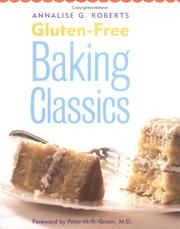
Roberts focuses on replicating beloved classics with a small, consistent flour-blend system, helping beginners build repetition and muscle memory without juggling too many variables at once.

Introduces gluten-free yeast breads and sandwich loaves in an approachable, budget-conscious way — a natural next step once quick breads feel comfortable, bridging everyday baking toward more complex leavening.
Going Deeper: Cakes, Pastries & Specialty Flours
IntermediateMaster tender layer cakes, pie crusts, and pastry doughs, and learn to work confidently with individual alternative flours (almond, oat, teff, buckwheat, rice) rather than relying solely on pre-made blends.
▸ Study plan for this stage
Pace: 8–10 weeks, ~25–30 pages/day, with 2–3 baking projects per week
- Structural role of protein, starch, and hydration in gluten-free cake and pastry doughs
- Techniques for achieving tenderness and lift in layer cakes without gluten (creaming, folding, leavening balance)
- Pie crust construction: fat distribution, hydration, and lamination principles in gluten-free doughs
- Individual flour characteristics: protein content, absorption rates, and flavor profiles of almond, oat, teff, buckwheat, and rice flours
- Building flavor depth through spice blending and ingredient selection (Goyoaga's approach to Scandinavian-inspired baking)
- Troubleshooting common gluten-free pastry failures: shrinkage, greasiness, density, and spread
- Substitution logic: when and how to swap pre-made blends for single-flour or custom blends based on desired outcome
- What are the key differences in how almond, oat, teff, buckwheat, and rice flours behave in cake batters, and which would you choose for a tender layer cake versus a dense, moist cake?
- Explain the relationship between fat distribution, hydration, and gluten-free pie crust texture. How do you achieve a flaky crust without gluten?
- How does Goyoaga's approach to flavor building (spices, extracts, citrus) compensate for the structural limitations of gluten-free baking?
- Describe the creaming method in gluten-free baking: why does it matter, and how does it differ from gluten-based cakes?
- When would you use a single alternative flour versus a blend, and what are the trade-offs?
- What are three common gluten-free pastry failures and their causes? How would you adjust a recipe to prevent each?
- Bake Goyoaga's cardamom or spice cake from Cannelle et Vanille; document texture, crumb structure, and flavor. Repeat with one substitution (e.g., oat flour for part of the blend) and compare.
- Make a gluten-free pie crust using Goyoaga's or Medrich's method; practice lamination and chill timing. Blind-bake and evaluate flakiness and shrinkage.
- Bake three layer cakes using different single flours (almond, rice, and buckwheat) with identical ratios otherwise; taste and assess crumb, moisture, and flavor. Document which works best for what application.
- Create a custom flour blend for a specific cake type (e.g., tender yellow cake) by combining two or three alternative flours; test and refine based on results.
- Prepare Medrich's flavor flour recipes (e.g., almond or oat-based cakes) and analyze how each flour's inherent flavor changes the final dish.
- Troubleshoot a failed gluten-free pastry or cake from your own kitchen using concepts from both books; identify the likely cause and propose a fix.
Next up: This stage builds the foundational skills and ingredient knowledge needed to move into advanced territory—such as laminated doughs (croissants, Danish), emulsified batters, and the science of how to layer multiple alternative flours strategically for complex textures and flavors.

Goyoaga's refined, grain-free and gluten-free pastry work introduces single-flour and nut-flour techniques with stunning results, expanding the learner's palate for what alternative flours can achieve aesthetically and texturally.
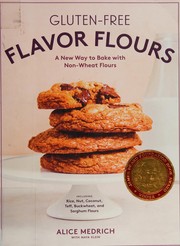
Medrich — a James Beard Award–winning author — systematically explores individual alternative flours chapter by chapter, teaching the learner to think in terms of flavor and texture profiles rather than one-size-fits-all blends.
Artisan Breads: Fermentation & Structure Without Gluten
IntermediateProduce artisan-style gluten-free loaves using sourdough fermentation, psyllium husk structure, and high-hydration doughs — understanding how to replicate the crust, crumb, and chew of wheat bread.
▸ Study plan for this stage
Pace: 6–8 weeks, ~20–25 pages/day with 2–3 baking sessions per week
- The five-minute-a-day dough method: how cold fermentation over days develops flavor and structure without kneading
- Psyllium husk's role in mimicking gluten's elasticity and creating structure in high-hydration doughs
- Hydration management in gluten-free doughs: why higher water content works and how to handle wet doughs
- Sourdough fermentation principles: wild yeast and bacterial cultures creating tang, open crumb, and extended shelf life
- Crust development techniques: steam, scoring, and surface preparation to achieve artisan appearance and texture
- Crumb structure and open crumb formation: how fermentation time, hydration, and handling affect holes and chew
- Dough handling without gluten: shaping, resting, and proofing strategies that work with psyllium and other binders
- Troubleshooting common gluten-free bread failures: dense crumb, gummy interior, weak crust, and over-proofing
- How does the five-minute-a-day method use cold fermentation to develop flavor and structure, and why is this advantageous for gluten-free doughs?
- What is the specific role of psyllium husk in gluten-free artisan bread, and how does it create elasticity and structure in high-hydration doughs?
- Why can gluten-free artisan doughs tolerate higher hydration than traditional gluten-free recipes, and how do you manage handling very wet doughs?
- What fermentation timeline and temperature conditions does the book recommend for sourdough flavor development, and how do you know when fermentation is complete?
- How do you create and maintain an open crumb structure in gluten-free bread, and what role does fermentation time play?
- What techniques does the book recommend for achieving a crispy, artisan-style crust on gluten-free loaves, and why is steam important?
- Mix and maintain a gluten-free sourdough starter using the book's method; feed it regularly for 1–2 weeks and document activity (bubbling, smell, rise)
- Make the book's basic five-minute-a-day dough; refrigerate for 3–5 days, then shape and bake one loaf, noting how fermentation time affects flavor and crumb
- Bake 2–3 loaves varying psyllium husk amounts (e.g., 1.5 tbsp, 2 tbsp, 2.5 tbsp per loaf) and compare resulting elasticity, hydration handling, and crumb structure
- Practice shaping and scoring gluten-free doughs; bake side-by-side with and without steam to observe crust color, crispness, and oven spring
- Conduct a fermentation timing experiment: bake identical doughs at 2 days, 4 days, and 7 days cold fermentation, tasting for sourness and evaluating crumb openness
- Troubleshoot a failed loaf (dense, gummy, or weak crust) by identifying which variable (hydration, fermentation, psyllium amount, baking temperature) likely caused it and adjust in your next bake
Next up: This stage equips you with the foundational techniques and understanding of fermentation-driven gluten-free bread, preparing you to explore advanced variations—such as whole-grain and seed-based artisan loaves, laminated doughs, or specialized hydration strategies for different flours—in the next stage.

Adapts the famous stored-dough method to gluten-free flours, making artisan-style loaves accessible and demystifying high-hydration gluten-free doughs for the intermediate baker.
Mastery: The Science & Art of Gluten-Free Baking
ExpertUnderstand the food science behind starch gelatinization, protein networks, and emulsification in gluten-free systems, enabling the learner to troubleshoot any recipe, develop original formulas, and bake at a professional level.
▸ Study plan for this stage
Pace: 8–10 weeks, ~40–50 pages/day with daily baking experiments
- Starch gelatinization and retrogradation: how starch granules absorb water, swell, and release amylose, and how this changes texture over time in gluten-free baked goods
- Protein networks and their substitutes in gluten-free systems: understanding how gluten normally creates structure, and what hydrocolloids (xanthan gum, psyllium husk) and starches do instead
- Emulsification and fat distribution: how lecithin, egg proteins, and other emulsifiers stabilize fat-water mixtures to create tender crumbs and smooth batters
- Hydration and moisture management: calculating water absorption rates for different gluten-free flour blends and adjusting for humidity, altitude, and ingredient variations
- Maillard reaction and caramelization in gluten-free systems: how browning develops differently without gluten's buffering effect, and how to control it
- Leavening mechanisms: how baking soda, baking powder, and steam interact with gluten-free batters to create rise and crumb structure
- Ingredient functionality and substitution: the role of each component (binders, starches, flours, fats, liquids) and how to swap them while maintaining chemistry
- Temperature control and baking science: how oven temperature, internal crumb temperature, and cooling rates affect final texture and structure
- How does starch gelatinization differ in gluten-free batters compared to wheat-based ones, and why does this affect crumb structure and shelf life?
- What is the role of hydrocolloids like xanthan gum in gluten-free baking, and how do you calculate the correct amount for different flour blends?
- Explain how emulsifiers work in gluten-free systems to create tender crumbs and stable batters—what happens chemically when you omit them?
- You've baked a gluten-free cake that's dry and crumbly. Walk through the troubleshooting process: what variables would you adjust and why?
- How do Maillard reaction and caramelization occur differently in gluten-free baked goods, and how can you manipulate pH, temperature, and ingredients to control browning?
- Design an original gluten-free formula for a type of baked good not covered in Bravetart: justify your flour blend, hydration ratio, binder choice, and leavening system using food science principles.
- Bake Stella Parks' foundational recipes (cookies, cakes, pastries) exactly as written, documenting texture, crumb structure, and browning at each stage; photograph and taste-test to build a sensory baseline
- Conduct a starch gelatinization experiment: bake the same cookie dough at 325°F, 350°F, and 375°F, then cut cross-sections and observe how the crumb structure changes; relate findings to Bravetart's explanations of oven temperature
- Create a hydration chart: bake the same cake recipe with 5 different hydration levels (±10% water), measuring final crumb moisture and texture; document which hydration produces the best result and why
- Test emulsifier impact: bake a Bravetart cake three ways—with full lecithin/egg, with half the emulsifier, and with none—comparing crumb tenderness, moisture retention, and mouthfeel after 1, 3, and 5 days
- Troubleshoot a failed recipe: intentionally bake a Bravetart recipe with a major error (wrong hydration, missing binder, incorrect oven temp), diagnose the failure using food science, then correct it and rebake
- Develop an original gluten-free formula: choose a baked good not in Bravetart (e.g., laminated dough, yeasted bread, mousse cake), design a formula using Bravetart's principles, test it 2–3 times, and document your reasoning for each ingredient choice
Next up: This stage equips you with the scientific foundation and troubleshooting toolkit to move beyond recipes into professional-level innovation—whether that's scaling formulas, adapting for dietary restrictions, or creating entirely new gluten-free products with predictable, reproducible results.
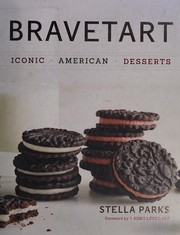
Though not exclusively gluten-free, Parks's deep dives into the chemistry of sugar, fat, and starch in American baking give the advanced learner the scientific framework to adapt and troubleshoot any gluten-free formula with authority.
Pushes gluten-free baking into professional cake artistry — multi-layer constructions, complex frostings, and showpiece design — serving as a capstone that demands mastery of every prior stage's techniques.
Discussion
Keep reading
Paths that share books, cover the same subject, or open a related topic.