Portuguese cooking for beginners: top books for seafood, stews, and pastries
This curriculum takes you from the sun-drenched soul of Portuguese food culture all the way to mastering its most iconic dishes — bacalhau, piri-piri, slow-cooked stews, and the legendary pastel de nata. Each stage builds on the last: first you absorb the cultural and sensory landscape, then you develop hands-on technique, and finally you dive deep into the regional and artisanal traditions that make Portuguese cooking one of Europe's most underrated treasures.
Foundations — The Soul of Portuguese Food
BeginnerUnderstand the history, ingredients, and cultural spirit behind Portuguese cuisine before touching a pan — building the vocabulary and context needed for everything that follows.
▸ Study plan for this stage
Pace: 4–5 weeks, ~20–25 pages/day (approximately 140–175 pages total across both books)
- Portugal's geographic position and climate as the foundation for ingredient availability and agricultural traditions
- The historical influences on Portuguese cuisine: Roman, Moorish, and Age of Discovery trade routes that shaped flavor profiles and techniques
- Core Portuguese ingredients and their cultural significance: olive oil, salt cod, wine, garlic, cilantro, and regional variations
- The concept of 'terroir' and regionalism in Portuguese food—how geography determines what people eat in different areas
- Portuguese food culture and values: simplicity, seasonality, family meals, and the role of food in social identity
- The distinction between peasant/working-class traditions and aristocratic influences in Portuguese cooking
- Preservation techniques (salting, drying, fermenting) born from necessity and geography
- The vocabulary and terminology specific to Portuguese cuisine needed to understand recipes and techniques
- How did Portugal's geographic location and climate shape the development of its cuisine and ingredient palette?
- What were the major historical periods and cultural influences (Roman, Moorish, Age of Discovery) that left their mark on Portuguese food, and what specific ingredients or techniques did each contribute?
- Why is salt cod (bacalháu) so central to Portuguese food culture, and what does its prominence reveal about Portuguese history and values?
- How do regional differences within Portugal (north vs. south, coastal vs. inland) manifest in the food people eat, and why?
- What role does simplicity and seasonality play in Portuguese cooking philosophy, and how does this reflect broader cultural values?
- What are the key Portuguese ingredients you need to recognize and understand before attempting to cook Portuguese food?
- Create a timeline of Portuguese history (Roman period through Age of Discovery) and annotate it with which ingredients, spices, or techniques entered Portuguese cuisine during each era
- Map Portugal's regions and note 3–4 signature dishes or ingredients from each region; research why those foods are associated with those areas based on geography and history
- Visit a Portuguese or specialty grocery store and identify 10–15 core Portuguese ingredients (olive oil, salt cod, canned fish, wines, spices); read labels and note origins and uses
- Write a one-page 'ingredient profile' for three staples: olive oil, salt cod, and wine—covering their history, cultural significance, and role in Portuguese cooking
- Taste and compare 2–3 different Portuguese wines or olive oils while reading the relevant sections; note how terroir and geography influence flavor
- Create a glossary of 20–30 Portuguese culinary terms and food names encountered in the books, with definitions and cultural context
Next up: With a grounded understanding of Portuguese food history, ingredients, and cultural values, you'll be ready to move into the next stage—learning fundamental techniques and cooking your first authentic dishes with confidence and context.

A sweeping, beautifully photographed introduction to the full breadth of Portuguese cooking — from coastal seafood to mountain stews — giving beginners an immediate sense of the landscape and pantry essentials.
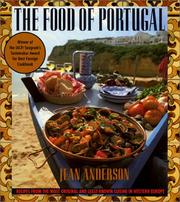
A classic, narrative-driven primer that explains the 'why' behind Portuguese flavors — olive oil, garlic, piri-piri, and salt cod — making it the perfect cultural companion to read alongside your first recipes.
Getting Cooking — Rustic Recipes & Everyday Flavors
BeginnerStart cooking authentic Portuguese dishes with confidence, focusing on approachable weeknight recipes that introduce core techniques like braising, marinating, and building a sofrito base.
▸ Study plan for this stage
Pace: 4–5 weeks, ~40–50 pages/day, with 2–3 cooking sessions per week
- Building sofrito and aromatics as the flavor foundation for Portuguese dishes
- Braising and slow-cooking techniques for developing deep, complex flavors in meat and vegetable dishes
- Marinating proteins to infuse flavor and tenderize before cooking
- Understanding Portuguese pantry staples (olive oil, garlic, paprika, bay leaf, wine) and how they work together
- Cooking with seasonal, locally-sourced ingredients as the core principle of Portuguese home cooking
- Balancing acidity, salt, and fat to achieve authentic Portuguese flavor profiles
- Adapting traditional recipes for weeknight cooking without sacrificing authenticity
- What is a sofrito, and how do you build one? Name at least three dishes from the books that rely on this technique.
- Describe the braising method and identify two recipes from 'My Portugal' or 'Lisbon' where this technique is essential.
- What are five essential Portuguese pantry ingredients, and how does each contribute to the flavor profile of a dish?
- How does marinating differ from braising, and when would you use each technique based on recipes in these books?
- What role does seasonality play in Portuguese cooking according to the authors, and how would you adapt a recipe based on what's available?
- Explain how to balance acidity and salt in a Portuguese dish, using a specific recipe as an example.
- Cook a sofrito from scratch (onion, garlic, tomato) and taste how it develops over 10–15 minutes; use it as the base for a simple stew from 'My Portugal'
- Prepare a braised dish (such as a chicken or pork braise) following a recipe from the books, noting how flavors deepen over cooking time
- Marinate a protein (chicken, pork, or fish) for 4–24 hours using a recipe from 'Lisbon', then cook and compare to an unmarinated version
- Build a Portuguese pantry by sourcing at least five staple ingredients mentioned in the books; cook two recipes using these same ingredients
- Cook one recipe from 'My Portugal' and one from 'Lisbon' in the same week, then compare their techniques and flavor profiles in a brief written reflection
- Adapt a recipe from the books based on seasonal ingredients available in your area; document the substitutions and how they affected the final dish
Next up: Mastering these foundational techniques and understanding how Portuguese flavors are built will prepare you to explore more complex regional dishes and specialized cooking methods in the next stage.
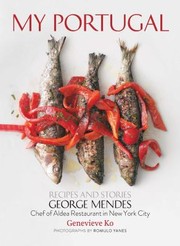
Chef Mendes bridges tradition and accessibility, teaching the foundational techniques of Portuguese home cooking — including piri-piri marinades and bacalhau preparations — in a clear, encouraging voice ideal for beginners stepping into the kitchen.

Focused on the capital's vibrant food scene, this book introduces iconic dishes like caldo verde and pastéis de nata with step-by-step clarity, building practical kitchen intuition after the broader techniques of Mendes.
Going Deeper — Bacalhau, Stews & Regional Mastery
IntermediateMaster the pillars of Portuguese rustic cooking — the 1,001 ways of salt cod, slow-cooked caldeiradas, and hearty meat stews — by understanding regional variation and more advanced layering of flavor.
▸ Study plan for this stage
Pace: 4–5 weeks, ~40–50 pages/day, with 2–3 cooking sessions per week
- Salt cod (bacalhau) as the foundation of Portuguese identity: desalting techniques, regional preparations (à Brás, à Gomes de Sá, Espiritual), and the cultural significance across Portugal's geography
- Caldeiradas and fish stews: layering aromatics, building fond, balancing acidity and richness, and understanding how regional ingredients shape each variation
- Slow-cooked meat stews (carne de porco à Alentejana, chanfana, estufado): low-and-slow technique, wine reduction, and how time transforms tough cuts into tender, flavorful dishes
- Regional flavor profiles and ingredient hierarchies: how Alentejo, Minho, Douro, and coastal regions each prioritize garlic, paprika, wine, and cured pork differently
- Flavor layering through soffritto, fond-building, and strategic use of cured pork (presunto, chouriço, toucinho) as flavor anchors rather than main proteins
- Balancing acidity (wine, vinegar, citrus) with richness (olive oil, pork fat, cream) to achieve the savory depth characteristic of Portuguese rustic cooking
- Adapting and scaling traditional recipes: understanding the 'why' behind ingredient ratios so you can confidently modify for dietary needs, seasonal availability, or ingredient substitutions
- Explain three different methods for desalting bacalhau and when you would use each one based on the dish you're preparing (reference specific recipes from Ortins or Leite)
- Compare and contrast at least two regional bacalhau preparations—what makes them distinct in terms of technique, supporting ingredients, and flavor profile?
- Describe the step-by-step process for building a caldeirada or fish stew, explaining how each stage (soffritto, layering, simmering) contributes to the final depth of flavor
- What role do cured pork products (presunto, chouriço, toucinho) play in Portuguese stews and rustic dishes, and how do they differ from using fresh pork?
- Walk through a slow-cooked meat stew recipe: what happens chemically and texturally during the long braise, and how would you know when it's properly done?
- How would you adapt a traditional Alentejo stew for a dietary restriction (e.g., vegetarian, dairy-free, or lower-fat) while preserving its essential character?
- Desalt and prepare bacalhau three different ways (e.g., à Brás, à Gomes de Sá, and one regional variation from Leite), tasting and noting how technique and supporting ingredients shift the final dish
- Make a caldeirada or fish stew from scratch, documenting your soffritto-building process, layering order, and how the broth evolves over 45–60 minutes of simmering
- Prepare a slow-cooked meat stew (carne de porco à Alentejana, chanfana, or estufado) over 3+ hours, checking texture and flavor at 1-hour intervals and noting when the meat reaches ideal tenderness
- Conduct a blind tasting of two regional stew variations (e.g., one Alentejo, one from the north), identifying the key flavor differences and tracing them back to ingredient choices and technique
- Recreate a bacalhau dish from Ortins and the same dish (or a close variant) from Leite, comparing the two recipes side-by-side and explaining how each author's approach differs
- Plan and execute a full Portuguese rustic meal (3 courses) featuring at least one bacalhau dish and one stew, practicing timing, temperature management, and plating for multiple dishes simultaneously
Next up: This stage equips you with mastery of Portugal's most iconic, technique-heavy dishes and regional flavor logic, preparing you to explore more specialized topics—whether that's pastry and desserts, contemporary Portuguese cuisine, or advanced preservation and charcuterie traditions.
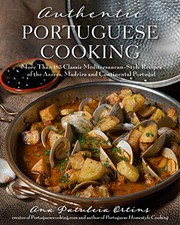
Ortins, drawing on her Portuguese-American heritage, provides the most thorough English-language treatment of bacalhau and traditional stews, with enough regional nuance to push an intermediate cook well beyond the basics.
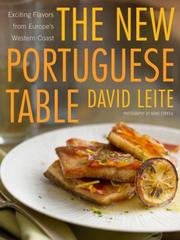
A James Beard Award–winning deep dive into Portugal's distinct regional kitchens — Alentejo, the Algarve, the Azores — that contextualizes why piri-piri tastes different in the south and how stews evolve from coast to mountains.
Artisan Depths — Pastry, Piri-Piri & the Fine Details
ExpertAchieve a refined, artisanal command of Portuguese cooking's most technically demanding elements — laminated pastry for pastel de nata, house-made piri-piri sauces, and the slow fermentation and preservation traditions that underpin the cuisine.
▸ Study plan for this stage
Pace: 4–5 weeks, ~25–30 pages/day, with 2–3 days per week dedicated to hands-on kitchen practice
- Laminated pastry technique and the science of butter-dough layering for pastel de nata and other Portuguese pastries
- Nuno Mendes' philosophy of respecting Portuguese culinary traditions while applying modern precision and technique
- House-made piri-piri and chili fermentation: flavor development, heat calibration, and preservation methods
- Slow fermentation and preservation traditions (pickles, cured meats, aged condiments) as foundational to Portuguese flavor building
- The relationship between ingredient quality, timing, and temperature control in achieving artisanal refinement
- Lisboeta's approach to deconstructing classic Portuguese dishes and rebuilding them with technical mastery
- The role of acidity, umami, and layered seasoning in Portuguese cooking's depth and complexity
- What are the critical steps in laminating dough for pastel de nata, and why does butter temperature and fold precision matter?
- How does Nuno Mendes balance tradition with modern technique in his interpretation of Portuguese cuisine?
- What is the fermentation timeline and process for making house-made piri-piri sauce, and how do you control heat levels?
- How do Portuguese preservation techniques (fermentation, curing, pickling) build foundational flavors in the cuisine?
- What role does acidity play in Portuguese cooking, and how do you calibrate it in both traditional and refined dishes?
- How would you deconstruct and rebuild a classic Portuguese dish using the techniques and philosophy presented in Lisboeta?
- Make pastel de nata from scratch at least twice, focusing on lamination precision, butter temperature control, and achieving the characteristic caramelized custard filling and crispy, flaky exterior
- Prepare two different house-made piri-piri sauces (one mild, one hot) using fresh chilies, fermentation, and preservation methods; taste and adjust heat levels across batches
- Ferment and preserve at least one Portuguese condiment or pickle (such as pickled chilies, fermented garlic, or aged chili paste) over 2–3 weeks, documenting flavor changes
- Recreate 3–4 signature dishes from Lisboeta, studying Mendes' plating, flavor layering, and technical execution; compare your results to the book's descriptions
- Conduct a blind tasting of your homemade piri-piri against store-bought versions, analyzing differences in fermentation depth, heat profile, and complexity
- Design and execute your own deconstructed Portuguese dish, applying Mendes' philosophy of respecting tradition while refining technique and presentation
Next up: Mastering the technical precision and fermentation foundations in this stage equips you to explore how Portuguese cooking's artisanal methods scale to restaurant-level service and how they integrate into modern tasting menus and seasonal ingredient-driven cuisine.

Michelin-starred chef Nuno Mendes deconstructs beloved Portuguese classics with precision and depth — his pastel de nata recipe alone is worth the price — making this the ideal capstone for a cook ready to understand the craft behind the comfort.
Discussion
Keep reading
Paths that share books, cover the same subject, or open a related topic.