Best Books to Learn Genomics, in Reading Order
This curriculum builds from the foundational story of the genome and sequencing technologies, through the science of population and medical genomics, to a critical appraisal of what personal DNA data can and cannot reveal. Starting at an intermediate level, each stage deepens both technical understanding and interpretive sophistication, so that by the end the reader can engage confidently with primary literature and real-world genomic medicine debates.
The Genome Story: Sequencing & the Big Projects
IntermediateUnderstand how the human genome was sequenced, what the genome projects revealed, and the key technologies that made modern genomics possible.
▸ Study plan for this stage
Pace: 8–10 weeks, ~40–50 pages/day (with 2–3 days per week for reflection and exercises)
- The historical context and scientific motivation behind the Human Genome Project (HGP) and competing sequencing efforts
- DNA sequencing technologies and how they evolved from Sanger sequencing to high-throughput methods
- The race between public (NIH/NHGRI) and private (Celera Genomics) efforts to sequence the human genome
- What the completed genome revealed: gene structure, non-coding DNA, genetic variation, and evolutionary insights
- The role of bioinformatics and computational methods in assembling and interpreting genomic data
- The transition from genome sequencing to genome interpretation and personalized medicine applications
- Cost reduction and technological advances that enabled the path toward the $1,000 genome
- Ethical, social, and practical implications of genomic data accessibility and privacy
- What were the major scientific and technological challenges that made sequencing the human genome difficult, and how were they overcome?
- How did the public Human Genome Project and Celera Genomics differ in their approaches, and what were the consequences of their competition?
- What major discoveries emerged from the completed human genome sequence, and how did they change our understanding of human biology?
- Explain the progression of sequencing technologies described in these books and how cost and speed improvements enabled the $1,000 genome goal.
- What role did bioinformatics and computational assembly play in making sense of billions of DNA sequences?
- How has the availability of genomic data shifted the focus from 'reading' the genome to 'interpreting' it for medical and personal applications?
- Create a timeline of major milestones in genome sequencing (from early methods through the HGP completion to next-gen sequencing), noting key technological breakthroughs mentioned in each book.
- Write a comparative analysis of the public vs. private genome sequencing efforts: their funding models, strategies, timelines, and ultimate contributions to the final genome sequence.
- Research and summarize one specific gene or genomic region discussed in the books (e.g., a disease-associated locus) and explain what the genome sequence revealed about it.
- Design a simple infographic or diagram showing how sequencing costs have dropped and speed has increased over time, using data points from 'The $1,000 Genome.'
- Debate or write a reflection: What were the ethical trade-offs between speed, cost, and data privacy in the race to sequence the human genome?
- Conduct a mini-literature search: Find one modern genomics application (personalized medicine, ancestry testing, disease screening) and trace how it builds on the foundational work described in these three books.
Next up: This stage establishes the technological and historical foundation of modern genomics, preparing you to explore how genomic data is now applied to understand genetic variation, disease mechanisms, and personalized medicine in the next stage.

Bridges everyday intuition about genes and society with rigorous genomic science, giving the intermediate reader a conceptual scaffold before diving into technical history.
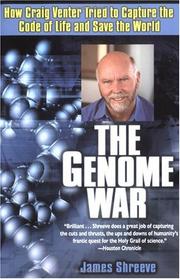
A gripping, deeply reported account of the race between Celera Genomics and the public consortium to sequence the human genome — essential context for understanding how the field was shaped.
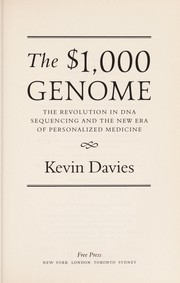
Traces the technological revolution from the Human Genome Project to next-generation sequencing, making the machinery of modern genomics concrete and accessible.
Reading the Code: Genes, Variation & Evolution
IntermediateGrasp how genetic variation is structured across individuals and populations, and how evolutionary forces shape the genome we carry today.
▸ Study plan for this stage
Pace: 8–10 weeks, ~40–50 pages/day. Start with "Genome" (4–5 weeks, ~35 pages/day for ~500 pages), then move to "Who We Are and How We Got Here" (4–5 weeks, ~50 pages/day for ~600 pages).
- The structure of the genome: how genes are organized, how DNA encodes information, and what makes up the human genome's 3 billion base pairs
- Genetic variation: the sources of variation (mutations, recombination), how variation is distributed within and between populations, and why no two humans are genetically identical
- Alleles and polymorphisms: how different versions of genes exist in populations, what determines which alleles are common or rare, and how to think about genetic diversity
- Population genetics and allele frequency: how allele frequencies change over time, what maintains variation in populations, and the concept of genetic structure across groups
- Evolutionary forces: natural selection, genetic drift, migration, and mutation—how these shape the genome and drive evolutionary change
- Ancient DNA and population history: how DNA from ancient remains reveals human migration patterns, admixture events, and the deep history of populations
- The relationship between genetic variation and human traits: how variation in the genome correlates with observable differences and why most traits are polygenic
- Ancestry and admixture: how populations mix, how admixture is detected in genomes, and what it reveals about human history and relationships between groups
- What is the basic structure of the human genome, and what proportion of it codes for proteins? How is genetic information organized into genes and chromosomes?
- What are the major sources of genetic variation in humans, and how does recombination during meiosis create new combinations of alleles?
- How is genetic variation distributed within populations versus between populations? What does this tell us about human genetic diversity?
- Explain the concept of allele frequency and how it changes over time. What are the main evolutionary forces that alter allele frequencies, and how does each work?
- How has ancient DNA analysis changed our understanding of human population history, and what does it reveal about migration and admixture events?
- What is genetic admixture, and how can it be detected in modern genomes? What does admixture tell us about the history of human populations?
- Create a visual summary of the human genome's structure (from 'Genome'): map out the 23 chromosome pairs, label major genes discussed (e.g., those controlling eye color, disease resistance), and note what percentage codes for proteins versus non-coding DNA.
- Track a single gene through 'Genome': choose one gene Ridley discusses in detail (e.g., the hemoglobin gene, the FOXP2 gene for language), and write a one-page summary of its structure, function, and known variants.
- Build an allele frequency table: using examples from both books, create a table showing how allele frequencies differ between populations (e.g., lactase persistence, sickle cell trait). Annotate with the evolutionary reason for the difference.
- Analyze a population admixture scenario from 'Who We Are and How We Got Here': pick one admixture event Reich describes (e.g., Indo-European migrations, African-European mixing), and write a 2–3 page explanation of the genetic evidence, what it reveals about the populations involved, and how ancient DNA confirmed it.
- Construct a simplified evolutionary tree: using Reich's discussion of human population divergence, draw a phylogenetic tree showing major population splits, migration events, and admixture. Label each branch with approximate dates and the genetic evidence supporting it.
- Compare genetic variation within versus between populations: calculate or estimate FST values (or similar measures) for a trait discussed in both books, and explain what the result tells you about whether genetic variation is mostly within or between groups.
Next up: This stage establishes the fundamental grammar of genetic variation and evolutionary history—the raw material and forces that shape genomes—preparing you to move into the next stage, where you'll apply these principles to understand how specific genetic variants influence human traits, disease susceptibility, and adaptation.

A chromosome-by-chromosome tour of the human genome that builds vocabulary around genes, mutations, and traits — the ideal bridge into population-level thinking.

Written by one of the architects of ancient-DNA genomics, this book shows exactly how population genomics reconstructs human prehistory — a masterclass in interpreting large-scale genomic data.
Medical Genomics: From Variants to the Clinic
IntermediateUnderstand how genomic discoveries translate into disease risk, diagnosis, and treatment, including the promises and current limits of precision medicine.
▸ Study plan for this stage
Pace: 8–10 weeks, ~40–50 pages/day. "The Gene" (~600 pages, 3–4 weeks); "Genomic and Precision Medicine" (~400 pages, 2–3 weeks); review and integration exercises (2–3 weeks).
- The historical arc of genetic discovery: from Mendel through DNA structure to modern genomics, and how each breakthrough enabled clinical translation
- Genotype-phenotype relationships: how variants in DNA sequence cause disease through molecular mechanisms, and why penetrance and expressivity vary
- Disease risk stratification: how genomic data (SNPs, rare variants, polygenic scores) are used to identify individuals at elevated risk before symptoms appear
- Diagnostic genomics: how whole-genome and whole-exome sequencing identify causal variants in monogenic and complex diseases, and the role of variant interpretation frameworks (ACMG guidelines)
- Therapeutic precision: how understanding a patient's genomic profile enables targeted drug selection, dosing, and prediction of treatment response and adverse reactions (pharmacogenomics)
- The gap between discovery and clinic: why most genomic findings have not yet translated to clinical practice, including challenges of validation, cost, equity, and interpretation
- Ethical and social dimensions: informed consent, privacy, incidental findings, genetic discrimination, and the need for diverse genomic databases
- Current limits of precision medicine: polygenic complexity, environmental interactions, and the incomplete penetrance of known variants
- Trace the key milestones in genetic discovery from Mendel to CRISPR, as presented in 'The Gene,' and explain how each enabled the translation of genomics into clinical practice.
- What is the difference between a variant's penetrance and expressivity, and why do these concepts matter when using genomic data to predict disease risk in patients?
- Describe the workflow for identifying a causal variant in a patient with a suspected monogenic disorder using whole-exome sequencing, including how variants are filtered and interpreted.
- How do polygenic risk scores differ from single-gene risk assessment, and what are the current limitations of using polygenic scores in clinical decision-making?
- Explain pharmacogenomics with a concrete example: how does a patient's genomic profile influence drug selection, dosing, or toxicity prediction for a specific disease?
- What are the major barriers preventing most genomic discoveries from being adopted into routine clinical care, and how do 'Genomic and Precision Medicine' and 'The Gene' address these challenges?
- Create a timeline of 8–10 major discoveries in genetics (from 'The Gene'), annotating each with: the scientist(s) involved, the key finding, the technology used, and one clinical application that eventually followed.
- Select one monogenic disease from 'The Gene' or 'Genomic and Precision Medicine' (e.g., cystic fibrosis, sickle cell disease, Huntington's). Map the genotype-phenotype relationship: what variant(s) cause it, how do they alter protein function, and what are the clinical consequences?
- Using a real or hypothetical patient case from 'Genomic and Precision Medicine,' work through variant interpretation: classify a variant using ACMG criteria (pathogenic, likely pathogenic, VUS, likely benign, benign) and justify your classification.
- Build a simple polygenic risk score model for a complex disease (e.g., type 2 diabetes, breast cancer) discussed in the books. List 5–10 SNPs with effect sizes, calculate a hypothetical patient's score, and discuss how you would communicate this risk to the patient.
- Research and write a 2–3 page case study on a drug-gene interaction from pharmacogenomics (e.g., warfarin and CYP2C9, clopidogrel and CYP2C19). Explain the molecular basis, clinical implications, and how genomic testing informs treatment.
- Identify one 'gap' between genomic discovery and clinical adoption mentioned in 'Genomic and Precision Medicine' (e.g., cost, validation, equity). Propose a concrete solution and justify it with evidence from the books.
Next up: This stage equips you with the conceptual and practical foundation of how genomics informs disease understanding and clinical care; the next stage will likely deepen your expertise in specialized domains (e.g., cancer genomics, rare disease diagnosis, or population-scale genomic screening) and advanced technologies (e.g., single-cell genomics, long-read sequencing, or AI-driven variant interpretat

A sweeping history of genetics through the lens of medicine and ethics; reading it here consolidates earlier technical knowledge and frames the medical genomics chapters that follow.

A rigorous, clinically grounded overview of how whole-genome sequencing, pharmacogenomics, and biomarker discovery are reshaping patient care.
What Your DNA Can — and Cannot — Tell You
ExpertCritically evaluate the claims of consumer genomics, understand the statistical and biological limits of genetic prediction, and engage with the ethical landscape of personal genomic information.
▸ Study plan for this stage
Pace: 6–7 weeks, ~40–50 pages/day (approximately 280–350 pages per week across both books)
- CRISPR-Cas9 as a tool: how it works, its revolutionary potential, and its current technical limitations in human applications
- The gap between genetic possibility and biological reality: why knowing a gene doesn't predict phenotype or disease risk with certainty
- Statistical foundations of genetic prediction: effect sizes, heritability, polygenic risk scores, and why population-specific data matters
- Bias in genomic research: how historical exclusion of women and non-European populations from studies undermines the validity of genetic claims
- Ethical and social implications: privacy, discrimination, informed consent, and the commercialization of personal genomic data
- The limits of reductionism: how gene-environment interactions, epigenetics, and developmental complexity complicate simple genetic determinism
- Consumer genomics claims vs. scientific evidence: how to critically assess marketing claims about ancestry, health predisposition, and traits
- How does CRISPR-Cas9 work mechanistically, and what are the current barriers to safe and effective human germline editing?
- Why is knowing you carry a genetic variant for a disease (e.g., BRCA1) not the same as knowing you will develop that disease?
- What is a polygenic risk score, and why do they often fail to predict outcomes in populations different from those used to develop them?
- How has the historical exclusion of women and non-European populations from genomic research created blind spots in our understanding of human genetics?
- What are the key ethical concerns around consumer genomic testing, and how do they differ from clinical genetic testing?
- How do gene-environment interactions and epigenetic mechanisms complicate the idea that genes 'determine' traits or disease risk?
- Read a consumer genomics marketing claim (e.g., from 23andMe, AncestryDNA) and write a 1–2 page critical analysis identifying what scientific evidence supports or contradicts the claim, and what statistical/biological caveats are omitted.
- Create a visual diagram showing the pathway from genotype → gene expression → protein function → phenotype, and annotate each step with sources of variation and uncertainty that make prediction difficult.
- Research and summarize a case study where a genetic finding was initially overstated or misinterpreted (e.g., 'gay gene,' 'intelligence gene'). Identify what was missing from the original framing.
- Design a hypothetical consumer genomics study: what population would you recruit, what traits would you test, and what biases might you inadvertently introduce? How would you mitigate them?
- Conduct a mini-literature review: find 3–4 peer-reviewed papers on polygenic risk scores for a trait of interest. Compare their predictive accuracy across different ancestral populations and write a 2–3 page synthesis.
- Write a personal reflection: if you took a consumer genomics test, what information would you want to know, what would concern you, and how would you interpret an unexpected result?
Next up: This stage equips you with the critical tools to interrogate genetic claims and understand their limitations, preparing you to explore how genomic insights can be responsibly integrated into medicine, policy, and personal decision-making in the next stage.
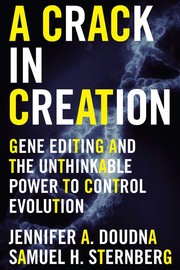
Written by the co-inventor of CRISPR, this book forces the reader to confront what genomic editing means now that we can read and rewrite the genome — a natural capstone to medical genomics.

A rigorous scientific critique of how genomic data has been misused to support biased claims about sex and race — essential for reading genomic results with appropriate skepticism.
Discussion
Keep reading
Paths that share books, cover the same subject, or open a related topic.