Gene editing reading path: understand CRISPR from biology to breakthroughs
This curriculum takes a beginner from the foundational principles of genetics and DNA all the way to the cutting-edge science and ethics of CRISPR gene editing. Each stage builds essential vocabulary and conceptual scaffolding so that later, more technical books feel accessible rather than overwhelming — ending with a clear-eyed view of how gene editing is reshaping medicine, agriculture, and what it means to be human.
Foundations: DNA & the Language of Life
BeginnerUnderstand what DNA is, how genes work, and why heredity matters — building the essential vocabulary needed for everything that follows.
▸ Study plan for this stage
Pace: 4–5 weeks, ~40–50 pages/day (approximately 300 pages total for "The Gene")
- DNA as the physical molecule carrying hereditary information: structure (double helix, base pairs A-T and G-C), replication, and stability
- Genes as discrete units of inheritance that code for proteins and traits, and how they are expressed in organisms
- Mendelian inheritance patterns and the rediscovery of Mendel's laws in the early 1900s, establishing the mathematical foundation for genetics
- The central dogma: DNA → RNA → Protein, explaining how genetic information flows from genotype to phenotype
- Historical development of genetics from Mendel through Watson & Crick, showing how scientific understanding evolved through experimentation and collaboration
- Mutations as changes in DNA sequence and their role in variation, evolution, and disease
- The concept of genetic determinism vs. environmental influence: genes are not destiny, but rather one factor shaping traits
- What is the structure of DNA, and how do base pairing rules ensure accurate replication?
- How did Mendel's experiments with pea plants establish the fundamental laws of inheritance, and why were they initially overlooked?
- What is the central dogma of molecular biology, and how does it explain the relationship between genotype and phenotype?
- How do mutations occur, and what are some consequences of mutations for organisms and evolution?
- What were the key experimental and theoretical breakthroughs (e.g., Chargaff's rules, X-ray crystallography, Watson & Crick's model) that led to understanding DNA structure?
- Why is the history of genetics important for understanding modern gene editing, and what ethical questions emerged early in the field?
- Create a detailed diagram of DNA structure (double helix, base pairs, sugar-phosphate backbone) and label all components; explain how the structure supports the central dogma
- Work through a Mendelian genetics problem set (monohybrid and dihybrid crosses) to practice predicting offspring ratios and understanding dominant/recessive inheritance
- Write a one-page summary of one key historical figure from the book (Mendel, Darwin, Watson, Crick, or Franklin) and their contribution to genetics, noting how their work built on previous discoveries
- Transcribe a short DNA sequence to mRNA, then translate it to amino acids using the genetic code; explain how a single mutation could change the resulting protein
- Create a concept map showing the relationship between DNA, genes, chromosomes, proteins, and traits; use examples from the book to illustrate each connection
- Discuss or write a reflection on a case study from the book (e.g., a genetic disease or trait) and explain how understanding DNA and inheritance helps us understand its inheritance pattern
Next up: This stage establishes the molecular and historical foundations—understanding what DNA is, how genes work, and the logic of inheritance—that are essential for grasping how CRISPR and other gene-editing tools can precisely target and modify genetic sequences to prevent disease or alter traits.
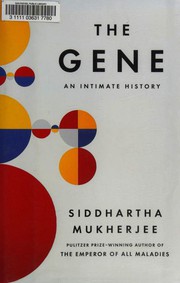
A sweeping, beautifully written narrative history of the gene from Mendel to the genomic era. It gives beginners both the scientific concepts and the human stakes, making it the perfect entry point into the entire curriculum.

Written by one of DNA's co-discoverers, this book explains the double helix, the genetic code, and the rise of molecular biology in clear, authoritative terms — cementing the molecular foundation before moving to editing tools.
The CRISPR Revolution: Accessible Science
BeginnerGrasp what CRISPR is, how it was discovered, and why it represents a turning point in biology — told through compelling narrative science writing.
▸ Study plan for this stage
Pace: 8–10 weeks, ~40–50 pages/day (mix of reading and reflection)
- CRISPR as a molecular scissors: how the Cas9 protein cuts DNA at precise locations
- The discovery journey: from bacterial immune systems to programmable gene editing
- Jennifer Doudna and Emmanuelle Charpentier's collaborative breakthrough and the race to develop CRISPR-Cas9
- Off-target effects and the challenge of specificity in gene editing
- The ethical implications of gene editing, especially germline/heritable modifications
- CRISPR's potential therapeutic applications across disease types
- The scientific method in action: how CRISPR evolved from basic research to clinical possibility
- The role of competition, collaboration, and intellectual property in modern biotechnology
- What is CRISPR and how does it function as a gene-editing tool at the molecular level?
- How did the discovery of CRISPR emerge from studying bacterial immune systems, and who were the key figures in this discovery?
- What are the main differences between Doudna's narrative account in 'A Crack in Creation' and Isaacson's biographical approach in 'The Code Breaker'?
- What are the primary ethical concerns surrounding CRISPR gene editing, particularly regarding human germline modification?
- Why is off-target cutting a significant challenge, and what approaches are being developed to address it?
- How has CRISPR technology moved from laboratory discovery toward real-world medical applications?
- Create a visual diagram (hand-drawn or digital) showing how CRISPR-Cas9 locates and cuts DNA, labeling the guide RNA, PAM sequence, and Cas9 protein
- Write a one-page summary comparing Doudna's first-person scientific perspective in 'A Crack in Creation' with Isaacson's biographical narrative in 'The Code Breaker'—what does each approach reveal?
- Research and list 3–5 current clinical trials using CRISPR therapy; for each, note the disease target and current stage of development
- Debate exercise: prepare arguments for and against human germline editing using evidence from both books, then discuss with a peer or mentor
- Create a timeline of CRISPR's key milestones (from bacterial discovery through 2020), marking major publications, patent disputes, and therapeutic breakthroughs
- Write a letter to a policymaker explaining why CRISPR regulation matters, drawing on specific ethical scenarios discussed in the books
Next up: This stage establishes CRISPR's scientific foundation and transformative potential, preparing you to dive deeper into specific therapeutic applications, competing gene-editing technologies, and the complex landscape of bioethics and governance in the next stage.
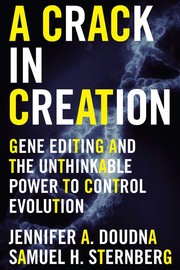
Written by one of CRISPR's Nobel Prize-winning inventors, this is the most authoritative and readable account of how CRISPR was discovered and what it can do — essential reading at the heart of this curriculum.
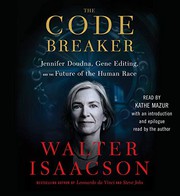
Isaacson's biography of Jennifer Doudna places CRISPR in its full human, competitive, and ethical context. Reading it after Doudna's own account adds narrative depth and a broader view of the scientific community.
Going Deeper: Molecular Mechanisms & Genomics
IntermediateDevelop a more rigorous understanding of how molecular tools — including CRISPR — work at the biochemical level, and how the broader genome is organized and read.
▸ Study plan for this stage
Pace: 8–10 weeks, ~40–50 pages/day. Start with "The Epigenetics Revolution" (4–5 weeks, ~35 pages/day), then move to "Regenesis" (4–5 weeks, ~45–50 pages/day). Allocate 1 week for review and synthesis.
- Epigenetic regulation: DNA methylation, histone modifications, and chromatin remodeling as mechanisms controlling gene expression without altering DNA sequence
- Chromatin structure and accessibility: how nucleosomes, heterochromatin, and euchromatin determine which genes are 'readable' by the cell
- Gene regulatory networks: how transcription factors, enhancers, and silencers orchestrate coordinated gene expression across the genome
- The central dogma revisited: how epigenetic marks are maintained through cell division and can be inherited across generations
- Synthetic biology principles: engineering biological systems by combining natural genetic elements in novel ways to achieve designed functions
- Genome editing as a tool for synthetic biology: how precise DNA modifications enable both therapeutic interventions and experimental validation of gene function
- Ethical and biosafety considerations: the implications of heritable genetic changes and the governance frameworks needed for responsible gene editing
- Systems-level thinking: understanding how local molecular changes (e.g., CRISPR edits) propagate through regulatory networks to produce phenotypic outcomes
- What are the major types of epigenetic modifications, and how do they regulate gene expression without changing DNA sequence?
- How does chromatin structure control access to genes, and what is the relationship between chromatin state and transcriptional activity?
- Explain how gene regulatory networks integrate multiple signals to control cell-type-specific gene expression patterns.
- What is synthetic biology, and how do genome editing tools like CRISPR enable the design and construction of novel biological systems?
- How do epigenetic marks persist through cell division, and what does this mean for the heritability of acquired traits?
- What are the key ethical and biosafety challenges in heritable genome editing, and how should they be governed?
- Create a detailed concept map linking DNA methylation, histone modifications, and chromatin remodeling to specific gene expression outcomes using examples from 'The Epigenetics Revolution'.
- Design a simple synthetic gene circuit (on paper): specify promoters, regulatory elements, and genes that would produce a desired output in response to an input signal, drawing on Church's engineering approach in 'Regenesis'.
- Analyze a published epigenetic dataset (e.g., from GEO or ENCODE): identify regions of differential methylation or histone modification and hypothesize their functional role in gene regulation.
- Write a 2–3 page synthesis essay comparing how Carey frames epigenetics as a regulatory mechanism versus how Church frames genome editing as a tool for biological engineering.
- Conduct a 'thought experiment' on a hypothetical CRISPR edit: trace the molecular changes through chromatin structure, transcription factor binding, and downstream gene expression to predict phenotypic effects.
- Research and summarize a real-world case study (e.g., He Jiankui's germline editing, or a therapeutic CRISPR trial): identify the molecular rationale, the ethical issues raised, and the governance response.
Next up: This stage equips you with the molecular and systems-level foundation needed to understand how CRISPR and other editing tools work in living cells and organisms, preparing you to explore their specific applications in disease treatment, agricultural improvement, and the practical challenges of translating laboratory discoveries into clinical and real-world impact.
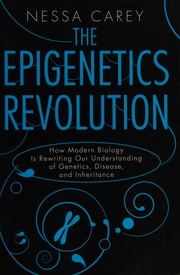
Introduces the layer of gene regulation beyond the DNA sequence itself, which is critical for understanding why editing a gene doesn't always produce a simple, predictable outcome.

Church, a pioneer of genomics and synthetic biology, explains the technical toolkit — including early gene-editing concepts — for rewriting genomes, bridging accessible narrative and genuine scientific depth.
Applications: Medicine, Agriculture & Beyond
IntermediateSee how CRISPR and gene editing are being applied in the real world — from curing genetic diseases and fighting cancer to engineering crops and combating pandemics.
▸ Study plan for this stage
Pace: 4–5 weeks, ~40–50 pages/day. Start with "The Genome Factor" (2 weeks), then move to "Editing Humanity" (2–3 weeks). Allocate 2–3 days per week for exercises and review.
- How genetic variation shapes health outcomes and disease susceptibility across populations (Conley's core thesis in The Genome Factor)
- The role of socioeconomic and environmental factors in gene expression and disease manifestation, beyond DNA sequence alone
- CRISPR and gene-editing technologies as tools to target disease-causing mutations in clinical settings (Davies' framework in Editing Humanity)
- Real-world case studies of gene therapy successes: sickle cell disease, spinal muscular atrophy, and inherited retinal disorders
- Ethical, regulatory, and equity challenges in deploying gene editing—who gets access, germline vs. somatic editing, and long-term safety
- Agricultural applications of gene editing: disease-resistant crops, nutritional enhancement, and food security
- Pandemic response and pathogen surveillance using CRISPR-based diagnostics and potential therapeutic approaches
- According to Conley in The Genome Factor, how do socioeconomic factors interact with genetic predisposition to influence disease outcomes, and why is this distinction important for medicine?
- What are the main clinical applications of CRISPR gene editing described in Editing Humanity, and which have moved closest to FDA approval or clinical use?
- Explain the difference between somatic and germline gene editing as presented in Davies' work, and what are the ethical implications of each approach?
- How do agricultural gene-editing applications (as discussed in Editing Humanity) differ from medical applications in terms of regulatory approval and public perception?
- What does Conley mean by 'the genome factor,' and how does understanding it change the way we think about treating genetic diseases?
- Based on both books, what are the major barriers to equitable access to gene-editing therapies, and who is most likely to benefit first?
- Create a two-column comparison chart: list 3–4 genetic diseases from Editing Humanity and note (a) the mutation type, (b) whether somatic or germline editing is proposed, and (c) the current clinical trial status.
- Read a recent case study from Editing Humanity (e.g., sickle cell or spinal muscular atrophy) and write a 1-page summary explaining: the disease mechanism, why CRISPR is suitable, and one remaining safety or ethical concern.
- Using Conley's framework from The Genome Factor, analyze a disease case study: identify the genetic component, the environmental/socioeconomic factors, and explain why gene editing alone may not be sufficient.
- Research and annotate one agricultural gene-editing application mentioned in Editing Humanity (e.g., disease-resistant cassava, drought-tolerant crops). Write 2–3 paragraphs on regulatory status and public acceptance.
- Debate exercise: Prepare arguments for and against germline editing for disease prevention, drawing on ethical points raised in both books. Identify where Conley and Davies agree or differ on equity and access.
- Design a hypothetical gene-therapy rollout plan for a genetic disease from Editing Humanity: consider clinical efficacy, cost, regulatory pathway, and how to ensure equitable access based on Conley's socioeconomic insights.
Next up: This stage grounds you in real-world applications and the complex interplay of biology, medicine, agriculture, and ethics—preparing you to critically evaluate emerging technologies and policy debates in the next stage, which likely explores governance, future frontiers, and the societal implications of gene editing at scale.

Examines how genomic data and editing intersect with society, health disparities, and human behavior — broadening the reader's view of what gene editing means beyond the lab.

A comprehensive, up-to-date survey of CRISPR's real-world applications in medicine, agriculture, and beyond, written by a leading science journalist — the ideal capstone for the applications stage.
Ethics, Futures & the Human Question
ExpertCritically evaluate the ethical, philosophical, and societal implications of gene editing — from designer babies to species extinction — and form an informed personal perspective.
▸ Study plan for this stage
Pace: 8–10 weeks, ~25–30 pages/day, with 1–2 days per week for reflection and discussion
- Sandel's critique of the 'drive to mastery' and the ethics of enhancement vs. therapy distinction
- The concept of 'giftedness' and what we owe to the given in human nature
- Carey's framework for understanding real-world gene-editing applications and their unintended consequences
- The precautionary principle and how to weigh unknown risks in germline and somatic interventions
- Justice and access: who benefits from gene editing and who bears the risks
- The role of narrative and meaning-making in bioethical deliberation
- Ecological and evolutionary implications of releasing edited organisms into the environment
- How does Sandel distinguish between therapy and enhancement, and what are the limitations of this distinction according to his argument?
- What does Sandel mean by the 'drive to mastery,' and why does he see it as ethically problematic in the context of genetic engineering?
- According to Carey, what are concrete examples of unintended consequences or ecological risks from gene-editing applications, and how do they complicate the narrative of 'solving problems'?
- How do questions of justice and equity shape the ethical evaluation of gene-editing technologies, and what does each author suggest about access and distribution?
- What is the precautionary principle, and how should it apply to different types of gene editing (somatic vs. germline, contained vs. environmental)?
- How would you articulate your own position on human germline editing, and what ethical framework (Sandel's, Carey's, or another) best supports your reasoning?
- Close-read and annotate one key passage from Sandel (e.g., his discussion of 'giftedness' in Chapter 2) and one from Carey (e.g., on off-target effects or ecological release), then write a 500-word comparative analysis of how each author frames the same problem differently
- Create a two-column table: list Sandel's main objections to genetic enhancement in one column, and in the other, identify which of Carey's real-world case studies either exemplifies or complicates each objection
- Conduct a mock ethics committee review: choose one gene-editing application from Carey (e.g., gene drive mosquitoes, CRISPR crops) and write a 3–4 page position paper applying both Sandel's philosophical framework and Carey's risk-assessment approach
- Debate exercise: pair up and argue for and against germline editing for disease prevention, using specific evidence from both books; record or summarize the key tension points that emerge
- Write a personal reflection essay (1,000–1,500 words) on how reading these books has shifted your own thinking about what counts as a 'problem' worth solving with gene editing, and what you now see as non-negotiable ethical boundaries
- Design a public engagement scenario: write a 2–3 page brief for a hypothetical citizen jury on gene editing, synthesizing Sandel's ethical concerns and Carey's technical realities in accessible language
Next up: This stage equips you with both philosophical depth (Sandel's critique of enhancement culture) and empirical grounding (Carey's real-world applications and risks), preparing you to engage with policy frameworks, regulatory debates, and emerging technologies in the next stage where you will move from 'why we should worry' to 'how institutions and governance can respond.'

A rigorous philosophical examination of genetic enhancement and the ethics of 'playing God.' Reading this after the science stages ensures the reader can engage with the ethics from a position of genuine understanding.

A concise, balanced final look at the promises and perils of gene editing — including heritable edits, gene drives, and regulation — serving as a clear-eyed synthesis to close the entire curriculum.
Discussion
Keep reading
Paths that share books, cover the same subject, or open a related topic.