The Best Books on Fountain Pens, in Order
This curriculum takes a fountain pen enthusiast from absolute beginner to serious collector, moving through hands-on basics, deep technical knowledge of nibs and inks, and finally the history and connoisseurship needed for informed collecting. Each stage builds the vocabulary and eye needed to fully appreciate the next, so that by the end the reader can evaluate, restore, and intelligently collect fine writing instruments.
Foundations: Getting Started with Fountain Pens
BeginnerUnderstand how fountain pens work, learn essential vocabulary (nibs, feeds, fills, inks), and develop confidence choosing and using a first pen.
▸ Study plan for this stage
Pace: 4–5 weeks, ~25–30 pages/day. Start with "The Fountain Pen" by Crum Ewing (weeks 1–2), then move to "Fountain Pens of the World" by Lambrou (weeks 3–5) to build from mechanics to global context.
- How fountain pen nibs work and why nib size/shape affects writing experience
- The feed system and its role in ink delivery to the page
- Ink properties and how they interact with different pen mechanisms
- Common filling mechanisms (cartridge, converter, eyedropper, piston) and their trade-offs
- Vocabulary: tines, slit, feed channels, flow, sweet spot, and other essential terminology
- How to identify and evaluate a fountain pen's construction quality and materials
- The relationship between pen design and writing comfort for different hand sizes and grip styles
- Historical and geographic variations in fountain pen design across manufacturers
- Explain how a fountain pen nib delivers ink to paper and why the feed is essential to this process
- What are the main filling mechanisms discussed in these books, and what are the advantages and disadvantages of each?
- How do nib size and material affect writing performance and user experience?
- What vocabulary terms are critical for discussing fountain pens with other enthusiasts, and what does each term mean?
- Based on the books' guidance, what factors should a beginner consider when choosing their first fountain pen?
- How do fountain pen designs vary across different manufacturers and regions, and why do these variations exist?
- Disassemble and reassemble a fountain pen (or examine one closely with a magnifying glass) to identify the nib, feed, ink channel, and filling mechanism while referencing the diagrams in Crum Ewing
- Write a 1-page comparison of two different filling mechanisms described in the books, noting pros/cons for a beginner
- Visit a pen retailer or online shop and identify at least three pens, classifying each by nib size, material, and filling type using the vocabulary from both books
- Create a glossary of 15–20 fountain pen terms from the books with your own definitions and sketches
- Test three different inks (or ink samples) in the same pen and journal how each performs in terms of flow, drying time, and appearance
- Write a reflection: 'My ideal first fountain pen would be ___ because...' citing specific design features and principles from the books
Next up: This foundation in how pens work and the vocabulary to describe them equips you to explore pen history, collecting strategies, and how to evaluate pens critically—preparing you to make informed decisions about building a collection that matches your preferences and budget.
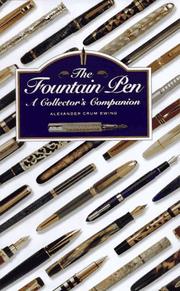
A beautifully illustrated, accessible introduction to the world of fountain pens that covers history, mechanics, and collecting basics — the ideal first book for building vocabulary and enthusiasm.
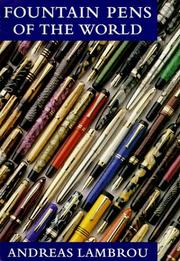
Lambrou is one of the foremost authorities on fountain pens; this survey of pens from major manufacturers worldwide gives beginners a broad visual and historical map of the landscape before going deeper.
Going Deeper: Vintage Pens and Manufacturer Histories
IntermediateIdentify and date pens by maker and era, understand the golden age of fountain pen manufacturing, and begin evaluating pens as collectible objects.
▸ Study plan for this stage
Pace: 4–5 weeks, ~25–30 pages/day. Start with Lambrou's overview (1–2 weeks), then move to Schneider's detailed guide (2–3 weeks). Allocate 1 week for review and hands-on identification practice.
- Pen manufacturing eras and their defining characteristics (pre-1920s, 1920s–1940s golden age, post-WWII decline)
- How to identify makers through nib markings, imprints, and design signatures
- The relationship between material innovation (hard rubber, celluloid, resin) and manufacturing periods
- Key manufacturers and their house styles (Parker, Waterman, Montblanc, Sheaffer, etc.)
- Dating techniques using patent information, design evolution, and production markers
- Condition assessment and its impact on collectible value
- The distinction between vintage restoration and preservation in the collector's market
- What are the three major manufacturing eras in fountain pen history, and what technological or design shifts define each?
- How do you identify a pen's manufacturer using only the nib, imprint, and visible design features?
- What role did material innovation (hard rubber to celluloid) play in dating pens to specific decades?
- Name three major manufacturers from the golden age and describe one distinctive design feature of each.
- How do you distinguish between a pen that should be restored versus preserved in its original condition, and why does this matter for collectors?
- What patent information or production markers can help you date a pen to within 5–10 years of manufacture?
- Create a reference sheet: photograph or sketch 5–8 nib markings and imprints from Lambrou and Schneider, then label each with maker, era, and one identifying feature.
- Hands-on identification: examine 3–5 vintage pens (in person or via detailed online photos) and attempt to date and attribute each using only Lambrou's and Schneider's visual guides and dating methods.
- Timeline exercise: build a visual timeline of 10–12 major manufacturers across the pre-1920s, 1920s–1940s, and post-WWII periods, noting one signature design or material choice for each.
- Condition assessment practice: photograph a pen showing wear, discoloration, or damage, then write a 1–2 paragraph condition report using Schneider's criteria for evaluating collectible quality.
- Patent research: select one pen from Lambrou or Schneider, locate its patent number, and use patent databases to confirm manufacture date and designer.
- Comparative analysis: choose two pens from different makers in the same era (e.g., two 1930s pens) and write a short comparison of their design philosophies and material choices.
Next up: This stage equips you with the foundational knowledge to authenticate and contextualize vintage pens, preparing you to move into advanced collecting—evaluating rarity, market value, and building a focused collection strategy based on maker, era, or material specialization.
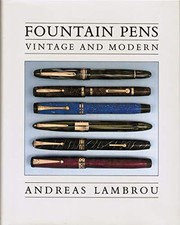
Lambrou's more focused reference dives into specific makers, models, and production periods — essential reading for anyone who wants to identify and date vintage pens with authority.
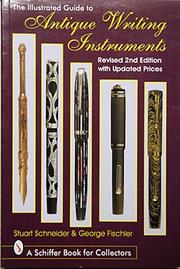
Covers the broader world of antique writing tools with strong sections on fountain pens, helping the reader place pens in their historical and cultural context and spot fakes or restorations.
Advanced Collecting and Connoisseurship
ExpertThink and act like a serious collector — evaluate condition and rarity, understand market values, restore pens, and build a meaningful, curated collection.
▸ Study plan for this stage
Pace: 4–5 weeks, ~25–30 pages/day, with 2–3 days per week dedicated to hands-on evaluation and restoration practice
- Condition grading systems and standardized terminology for assessing pen quality and wear
- Rarity assessment: production runs, patent dates, regional variants, and how scarcity drives collector value
- Market valuation methods: comparable sales analysis, auction trends, and pricing guides specific to writing instruments
- Restoration ethics and techniques: when to restore vs. preserve, cleaning methods, and repair without diminishing authenticity
- Provenance and documentation: building a collection record system and verifying pen authenticity and history
- Specialization strategies: choosing a collecting focus (brand, era, mechanism, material) and building depth
- Investment mindset: understanding the collector market, timing acquisitions, and long-term collection strategy
- How do you grade a fountain pen's condition using standardized scales, and what factors most significantly affect its market value?
- What distinguishes a rare variant from a common production model, and how do you research production history to confirm rarity?
- What are the ethical boundaries between restoration and over-restoration, and how does restoration impact a pen's value?
- How do you build and maintain a provenance record for your collection, and why is documentation critical for serious collectors?
- What market research methods would you use to price a pen fairly for sale or acquisition?
- How would you develop a focused collecting strategy, and what role does specialization play in building a meaningful collection?
- Grade 5–10 pens from your own collection or borrowed examples using a standardized condition scale; photograph and document each assessment with notes on wear patterns, nib condition, and functionality
- Research the production history of one pen model using Geyer's references and online databases; create a variant chart showing different versions, patent dates, and regional differences
- Attend one online auction (Pen Realm, Heritage Auctions, or similar) or visit a collector forum; track 3–5 comparable pens over 2 weeks and analyze price trends to understand valuation
- Practice a non-invasive cleaning technique on a low-value pen (distilled water, soft brush, or pen flush); document before/after photos and reflect on when restoration is appropriate
- Build a collection inventory spreadsheet or database with fields for: pen details, acquisition date, cost, condition grade, provenance notes, and current estimated value
- Interview or correspond with 2–3 experienced collectors in your chosen specialization area; ask about their acquisition strategy, collection focus, and lessons learned
- Select a collecting niche (brand, era, filling system, or material) and create a 'want list' of 10–15 key pens; research each pen's history, rarity, and realistic market price
Next up: This stage transforms you from an enthusiast into a strategic collector with the knowledge to evaluate, preserve, and grow a collection with intention—preparing you to either specialize deeper into a particular pen category or develop expertise in restoration and conservation as your next advanced pursuit.

A rigorous, collector-focused reference covering valuation, condition grading, and the global market for vintage pens — the standard text for anyone moving from enthusiast to serious collector.
Montblanc is the benchmark luxury pen brand; this authoritative guide to its models, limited editions, and dating codes teaches the highest level of brand-specific connoisseurship applicable to any prestige maker.
Discussion
Keep reading
Paths that share books, cover the same subject, or open a related topic.