Juggling looks like natural talent and is almost entirely method. The reason most people quit in a week is that they try to catch instead of learning to throw, and they skip the boring foundation that makes everything else possible. Without a clear progression, three balls feels impossible and clubs feel like a different sport.
A good reading order gives you that progression. You start with the cascade and simple props, build a real vocabulary of patterns and numbers, then extend into clubs, diabolo, and the wider world of circus. Each book unlocks skills the last one prepared you for.
Learn your first patterns
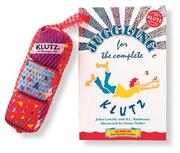
Start with Juggling for the complete klutz by John Cassidy, the friendly classic that gets almost anyone to a three-ball cascade. Follow it with The juggling book by Carlo for a clear, encouraging next step, and Serious Juggling by Dave Finnigan to structure your practice as you add balls and tricks. These three turn frustration into a repeatable routine you can actually improve at.
Build a real vocabulary
Once the cascade is solid, expand your range. Juggling with finesse by Kit Summers is a deep, technique-rich guide that levels up your form and repertoire. The Encyclopaedia of Ball Juggling by Charlie Dancey catalogs an enormous range of patterns to work through, and The complete juggler by Dave Finnigan ties balls, clubs, and rings into one coherent curriculum.
Extend into clubs and circus
When you want more than balls, branch out. Charlie Dancey's Compendium of Club Juggling is the go-to for clubs and passing, and The diabolo book by Todd Strong opens up one of the most rewarding non-ball props. To place juggling inside the broader art, Circus techniques by Hovey Burgess is the foundational text on circus skills, and The Physical Comedy Handbook by Danny Rubin adds the performance and timing that make it entertaining.
Read in this order and juggling stops feeling like magic and starts feeling like practice paying off. Follow the full path to go from dropped balls to a genuine circus skill set.
Follow the full reading path →
Ready to learn something deeply?
Build a reading path — free