The Best Books on Low-Carb and Ketogenic Eating
This curriculum takes a beginner from the basic "why" of low-carb eating all the way to the cutting-edge biochemistry of ketosis and metabolic health. Each stage builds on the last: you first understand the principles and practical habits, then explore the science of fat-adaptation and insulin, and finally dive into the research-level evidence on metabolism, longevity, and therapeutic applications.
Foundations: Why Low-Carb Works
BeginnerUnderstand the core argument against excess carbohydrates, learn the basic hormonal logic of fat storage vs. fat burning, and build enough vocabulary (insulin, ketones, glycogen) to read more technical material confidently.
▸ Study plan for this stage
Pace: 4–5 weeks, ~40–50 pages/day. Start with "Why We Get Fat" (2 weeks), move to "The Case for Keto" (1.5 weeks), finish with "Keto Clarity" (1–1.5 weeks) to allow time for reflection and note-taking between books.
- Carbohydrates and insulin: how refined carbs trigger excess insulin secretion, which drives fat storage and suppresses fat burning
- The carbohydrate-insulin model: why calories-in/calories-out oversimplifies weight gain; insulin regulation is the primary driver
- Glycogen and glucose metabolism: how the body stores and uses carbohydrate energy, and why depletion triggers fat adaptation
- Ketones and ketosis: what ketones are, how they form when carbs are restricted, and why they become the brain's preferred fuel
- Fat as fuel: the metabolic shift from glucose dependence to fat oxidation, and why this reduces hunger and stabilizes energy
- Hormonal logic of satiety: how low-carb eating naturally reduces appetite through stable blood sugar and ketone production
- The evolutionary and historical context: why humans thrived on low-carb diets and why modern carbohydrate intake is abnormal
- Practical vocabulary: insulin resistance, metabolic flexibility, gluconeogenesis, and how these concepts connect to real-world eating
- According to Taubes, why does the standard 'calories in, calories out' model fail to explain obesity and weight gain?
- How does insulin regulate fat storage and fat burning, and what role do refined carbohydrates play in this process?
- What is ketosis, how does it occur when carbohydrates are restricted, and why are ketones considered an efficient fuel source?
- Explain the difference between glucose and ketone metabolism: when does the body switch from one to the other, and what triggers this shift?
- What is glycogen, how does it relate to carbohydrate intake, and why does depleting glycogen stores matter for fat adaptation?
- How does low-carb eating reduce hunger and appetite compared to high-carb diets, according to the hormonal mechanisms described in these books?
- Create a one-page visual diagram showing the insulin-glucose-fat storage cycle: draw how refined carbs → insulin spike → fat storage → suppressed fat burning, and contrast it with low-carb → stable insulin → fat burning.
- Track your own carbohydrate intake for 3 days (before starting the diet): log meals and estimate carb grams. Reflect on energy levels, hunger, and cravings. This baseline will help you understand Taubes' arguments viscerally.
- Write a 300-word summary of Taubes' core argument from 'Why We Get Fat' in your own words, focusing on why he rejects the calorie model and what he proposes instead.
- Create a glossary of 10–12 key terms (insulin, ketones, glycogen, gluconeogenesis, insulin resistance, metabolic flexibility, etc.) with one-sentence definitions and a brief note on why each matters to low-carb eating.
- After finishing 'The Case for Keto,' list 5 specific health claims Taubes makes and note which ones are supported by evidence he cites and which ones feel more speculative.
- Interview or survey 2–3 people who eat low-carb or keto: ask them why they started, what changes they noticed (energy, hunger, weight, mood), and whether their experience matches the mechanisms described in the books. Summarize findings in 1–2 pages.
Next up: Mastering these foundational concepts—insulin dynamics, ketone metabolism, and the hormonal logic of fat burning—equips you to engage with more advanced material on implementation strategies, micronutrient optimization, and troubleshooting common obstacles in subsequent stages.

A concise, accessible entry point that dismantles the calories-in/calories-out myth and introduces the insulin-carbohydrate hypothesis of obesity — the conceptual backbone of all low-carb thinking. Read this first to understand the 'why' before the 'how'.

Taubes's follow-up translates the science into practical reasoning for adopting a ketogenic diet, bridging the gap between the foundational argument and real-world application. Reading it second reinforces and extends the first book's framework.
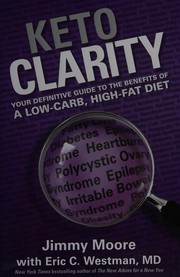
A beginner-friendly, interview-driven overview of ketogenic eating that introduces key terms (nutritional ketosis, fat-adaptation, macros) and common pitfalls. It serves as a practical glossary and orientation guide before moving into denser science.
The Science of Insulin and Metabolic Health
IntermediateDevelop a mechanistic understanding of insulin resistance, metabolic syndrome, and how carbohydrate restriction reverses them — moving from popular argument to evidence-based physiology.
▸ Study plan for this stage
Pace: 6–8 weeks, ~40–50 pages/day (approximately 2–3 hours of focused reading). Start with "The Obesity Code" (350 pages, ~2 weeks), then "Good Calories, Bad Calories" (600+ pages, ~4–6 weeks). Build in 1–2 review days per week.
- Insulin as a storage hormone and its role in driving fat accumulation, not just calorie excess
- The difference between insulin resistance and insulin sensitivity, and how they develop progressively
- Metabolic syndrome as a cluster of insulin-driven pathologies (hypertension, dyslipidemia, central obesity, glucose dysregulation)
- The hormonal regulation of appetite and satiety (leptin, ghrelin) versus the calorie-counting model
- Carbohydrate quality and glycemic response: refined carbs vs. whole foods and their differential effects on insulin secretion
- The historical and scientific case against dietary fat as the primary cause of obesity and heart disease
- How carbohydrate restriction reduces hyperinsulinemia and allows metabolic recovery
- The distinction between correlation and causation in nutritional epidemiology, and how observational studies can mislead
- Explain the mechanism by which chronically elevated insulin leads to fat storage and weight gain, independent of total calorie intake.
- What is metabolic syndrome, and how does insulin resistance underlie its various components (obesity, hypertension, dyslipidemia, glucose intolerance)?
- Describe the difference between the 'calorie hypothesis' and the 'carbohydrate-insulin hypothesis' for obesity. What evidence does Fung present for the latter?
- How do refined carbohydrates differ from whole foods in their effect on insulin secretion and blood glucose, and why does this matter for metabolic health?
- What is the historical and scientific basis for Taubes' critique of the lipid hypothesis and the demonization of dietary fat?
- How does carbohydrate restriction reverse insulin resistance and metabolic syndrome at the physiological level?
- Track your own blood glucose and insulin response (using a continuous glucose monitor or periodic testing) to different meals—refined carbs vs. whole foods vs. low-carb meals—and document the patterns you observe.
- Create a detailed diagram or concept map showing the causal chain: refined carbohydrate intake → insulin spike → hyperinsulinemia → insulin resistance → metabolic syndrome. Label each step with the mechanism.
- Analyze a published observational nutrition study (e.g., from the American Journal of Clinical Nutrition). Identify confounding variables, reverse causation, and why correlation does not prove causation—apply Taubes' critical framework.
- Conduct a 2–4 week self-experiment: reduce refined carbohydrate intake and track changes in energy, hunger, body composition, and any available biomarkers (weight, waist circumference, blood glucose if possible). Document your observations.
- Write a 1–2 page summary explaining to a friend why 'calories in, calories out' is incomplete without understanding insulin and hormonal regulation. Use specific examples from Fung.
- Compare the dietary recommendations in a standard diabetes or obesity guideline with the carbohydrate-insulin model. Identify points of agreement and disagreement, and hypothesize why the discrepancy exists.
Next up: This stage establishes the mechanistic foundation—why insulin and carbohydrate restriction matter—preparing you to move into practical implementation: designing personalized low-carb and ketogenic protocols, managing macronutrient ratios, and troubleshooting real-world adherence and metabolic adaptation.

Fung, a nephrologist, presents a rigorous yet readable hormonal theory of obesity centered on insulin, explaining why caloric restriction alone fails and how low-carb and fasting reset metabolic set points. This is the essential bridge between popular science and clinical evidence.

Taubes's landmark, heavily referenced deep-dive into 150 years of nutrition science. After the earlier books built your intuition, you are now ready to evaluate the primary evidence he marshals — this is the most intellectually demanding book in the stage and rewards careful reading.
Fat Adaptation and Ketosis in Depth
IntermediateUnderstand the physiology of ketone production, fat-adaptation, and how the body shifts its primary fuel source — including performance, cognition, and therapeutic implications.
▸ Study plan for this stage
Pace: 6–8 weeks, ~40–50 pages/day (approximately 2–3 hours of focused reading per day)
- Metabolic flexibility: the ability to efficiently switch between carbohydrate and fat oxidation as primary fuel sources
- Ketone body production (acetoacetate, beta-hydroxybutyrate, acetone) and their role as alternative fuel for brain and muscles during carbohydrate restriction
- Fat adaptation: the multi-week physiological process of upregulating fat-oxidizing enzymes and mitochondrial capacity
- The role of insulin in suppressing ketone production and how low-carb eating maintains low insulin levels to enable ketosis
- Cognitive performance during ketosis: mechanisms of brain fuel utilization and the transition period ('keto flu') before cognitive optimization
- Athletic performance in ketosis: fat-adaptation for endurance, power output considerations, and protein's role in maintaining muscle mass
- Therapeutic applications of ketogenic diets: epilepsy, type 2 diabetes management, weight loss, and metabolic health markers
- Individual variation in ketone production, fat-adaptation rate, and performance outcomes based on genetics and training status
- Explain the biochemical pathway from fatty acid oxidation to ketone body production in the liver, and why this process requires sustained carbohydrate restriction
- What is metabolic flexibility, and how does the fat-adaptation process enable it? What physiological changes occur at the mitochondrial and enzymatic level?
- Describe the typical timeline and symptoms of fat adaptation, including the 'keto flu' phase, and explain the cognitive and performance changes that occur during this transition
- How do ketone bodies fuel the brain differently than glucose, and what does the research show about cognitive performance once fat adaptation is complete?
- What are the key differences in how endurance athletes versus strength/power athletes should approach ketogenic eating, and what role does protein play?
- Discuss the therapeutic mechanisms behind ketogenic diet interventions for type 2 diabetes and epilepsy, including how they affect insulin sensitivity and neurological function
- Track your own macronutrient intake for one week using a food diary or app (targeting ~75% fat, ~20% protein, ~5% carbs), then reflect on energy, hunger, and mental clarity changes day-by-day
- Calculate your personal ketone production potential by estimating your daily fat intake and carbohydrate restriction level; research your own genetic factors (if available) that may influence ketone sensitivity
- Conduct a 2–4 week personal fat-adaptation experiment: measure baseline cognitive performance (reaction time, focus tests, memory tasks) before starting, then reassess weekly to document the transition period and recovery
- Create a detailed case-study analysis of one therapeutic application (epilepsy, type 2 diabetes, or weight loss) using the mechanisms explained in the books; identify the specific metabolic shifts that drive the therapeutic benefit
- Design a periodized nutrition plan for either an endurance athlete or strength athlete incorporating ketogenic principles; justify your macronutrient ratios and timing based on the performance physiology covered in the books
- Debate or write a critical analysis: identify one claim in the books about ketosis and cognitive/athletic performance, find the original research cited, and evaluate the strength of evidence and any limitations or counterarguments
Next up: This stage establishes the deep physiological foundation of how ketosis works and its effects on performance and health, preparing you to move into practical implementation—whether that's designing personalized nutrition protocols, troubleshooting individual metabolic responses, or applying ketogenic principles to specific health conditions or athletic goals.

Written by two leading researchers (Volek and Phinney), this is the definitive clinical and scientific manual on low-carb physiology — covering electrolytes, fat-adaptation timelines, and athletic performance. It is the most rigorous practical-science book in the field.

The companion volume focused specifically on fat-adaptation for athletes and active individuals. Reading it after the first Volek/Phinney book deepens understanding of how ketosis interacts with exercise metabolism and physical performance.
Advanced Metabolism, Longevity, and Therapeutic Applications
ExpertEngage with the frontier research on ketones as signaling molecules, the links between metabolic health and chronic disease, and the broader implications for longevity and brain health.
▸ Study plan for this stage
Pace: 8–10 weeks, ~25–30 pages/day (mix of both books; start with "The Diabetes Code," then move to "Metabolical")
- Insulin resistance as the root cause of type 2 diabetes, not blood sugar itself—and how this reframes metabolic disease
- The role of fasting and caloric restriction in resetting insulin sensitivity and breaking the insulin-glucose cycle
- Metabolic dysfunction as a spectrum: how obesity, NAFLD, metabolic syndrome, and type 2 diabetes are interconnected diseases of insulin dysregulation
- Ketones as signaling molecules beyond fuel: their roles in mitochondrial health, autophagy, and neuroprotection
- The distinction between 'calories in, calories out' and hormonal regulation of appetite and energy expenditure
- Ultra-processed foods and fructose metabolism: how food quality and composition drive metabolic disease independent of total calories
- The bidirectional relationship between metabolic health and brain health, including implications for neurodegeneration and cognitive decline
- Therapeutic applications of ketogenic and low-carb approaches for diabetes reversal, weight loss, and chronic disease management
- According to Fung, why is insulin resistance—not elevated blood sugar—the primary driver of type 2 diabetes, and what does this imply for treatment?
- How do fasting protocols work to improve insulin sensitivity, and what are the proposed mechanisms in 'The Diabetes Code'?
- What is the relationship between fructose metabolism, liver health, and metabolic dysfunction as explained in 'Metabolical'?
- How do ketones function as signaling molecules beyond their role as fuel, and what are the implications for brain health and longevity?
- What is the evidence presented in both books linking metabolic health to chronic disease prevention and reversal?
- How do ultra-processed foods drive metabolic disease through mechanisms beyond simple caloric excess?
- Create a detailed timeline of your own insulin response patterns: track meals, energy levels, hunger cues, and mood for 2 weeks, then identify which foods spike insulin and which stabilize it based on the frameworks in Fung's book
- Design a 7-day meal plan using low-carb/ketogenic principles that incorporates the metabolic concepts from both books; annotate each meal with the specific metabolic benefit (e.g., reduced insulin demand, improved mitochondrial function)
- Conduct a 'food forensics' analysis: select 3–5 ultra-processed foods you regularly consume and map their ingredients against Lustig's explanations of how additives and refined carbs drive metabolic dysfunction
- Summarize the key mechanisms of insulin resistance from 'The Diabetes Code' in a one-page visual diagram or flowchart, then cross-reference it with Lustig's discussion of metabolic syndrome to show how they interconnect
- Research and write a 2–3 page analysis of one chronic disease (e.g., Alzheimer's, NAFLD, cardiovascular disease) using the metabolic frameworks from both books; include how ketogenic approaches might address it
- Perform a critical reading exercise: identify 3 claims from each book, find the primary research they cite, and evaluate the strength of the evidence yourself
Next up: This stage equips you with the mechanistic understanding of how metabolic dysfunction drives disease and how low-carb/ketogenic approaches reverse it at a cellular level, preparing you to explore personalized implementation strategies, individual variation in metabolic response, and how to integrate these principles into sustainable lifestyle change in the next stage.

Fung applies the hormonal framework to type 2 diabetes specifically, presenting clinical evidence that low-carb and fasting can reverse the disease. It deepens the metabolic-health picture with a disease-specific, evidence-rich lens.

Lustig, a UCSF endocrinologist, synthesizes the biochemistry of processed food, fructose metabolism, and mitochondrial dysfunction into a unified theory of chronic disease. This advanced text ties together everything learned in earlier stages and situates low-carb eating within the broader science of metabolic medicine.
Discussion
Keep reading
Paths that share books, cover the same subject, or open a related topic.