The Best Books to Quit Smoking for Good
This curriculum takes a beginner from zero to deeply informed about quitting smoking for good, moving through three carefully sequenced stages. It starts with the most proven, accessible quit-smoking methods to build early momentum and success, then deepens into the neuroscience and psychology of nicotine addiction, and finally equips the reader with long-term relapse-prevention strategies and lifestyle tools to stay smoke-free for life.
Foundations: Breaking Free
BeginnerUnderstand why quitting feels hard, dismantle the psychological illusions that keep smokers hooked, and use proven methods to stop smoking immediately with confidence.
▸ Study plan for this stage
Pace: 4–5 weeks, ~40–50 pages/day. Start with "The Easy Way to Stop Smoking" (weeks 1–3, ~300 pages), then move to "The Smoke-Free Smoke Break" (weeks 4–5, ~150 pages). Allow 1–2 days between books to consolidate insights.
- The nicotine trap is psychological, not primarily physical—Carr's core thesis that smoking is a mental addiction maintained by false beliefs about pleasure and stress relief
- Dismantling the 'reward' illusion—understanding that cigarettes don't actually provide relief, they create the withdrawal they temporarily ease
- The willpower myth—why traditional quit methods fail because they rely on fighting cravings rather than eliminating the desire to smoke
- Immediate cessation vs. gradual reduction—Carr's argument for stopping completely rather than cutting down, and why this paradoxically feels easier
- Mindfulness and sensory awareness as alternatives—Somov's approach to replacing the smoking ritual with conscious breathing and present-moment awareness
- Reframing the 'smoke break'—transforming it from a nicotine fix into a genuine pause for mental reset and self-care
- Identity shift—moving from 'I'm a smoker trying to quit' to 'I'm a non-smoker' as a fundamental psychological reorientation
- According to Carr, why is the nicotine addiction primarily psychological rather than physical, and how does this change the approach to quitting?
- What is the 'reward illusion' and how does understanding it help dismantle the belief that cigarettes relieve stress?
- Why does Carr argue that willpower-based quit methods often fail, and what does he propose instead?
- What is the key difference between Carr's immediate cessation method and gradual reduction, and why does he claim the former is easier?
- How does Somov's concept of the 'smoke-free smoke break' reframe the smoking ritual, and what replaces the cigarette?
- What role does mindfulness and present-moment awareness play in Somov's method for staying smoke-free?
- Before reading, write down your top 3 reasons you believe smoking helps you (stress relief, focus, social connection, etc.). After finishing Carr, revisit and identify which are illusions.
- Track one full day of your smoking triggers and emotional states—note what you feel before, during, and 30 minutes after each cigarette. Compare against Carr's claim that relief is temporary.
- Practice a 'smoke-free smoke break' using Somov's method: take a 5-minute intentional breathing pause, notice sensations without judgment, and journal what you observe instead of smoking.
- Read Carr's key chapters (especially on the 'little monster' and 'big monster') and create a visual map showing how the psychological trap works—use this as a reference when cravings arise.
- Conduct a 24-hour quit attempt using Carr's framework: stop completely, expect no willpower struggle, and observe your actual experience vs. your fears. Journal the results.
- Identify your top 3 'smoke break' rituals (morning coffee, after meals, stress moments) and design a Somov-style replacement for each using mindfulness, movement, or another sensory anchor.
Next up: This stage establishes the psychological foundation and immediate quitting framework; the next stage will likely build on this by addressing relapse prevention, long-term habit replacement, and navigating social/environmental triggers in real-world contexts.
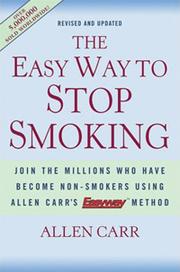
The single most widely-read quit-smoking book in the world, it reframes nicotine addiction as a mental trap rather than a physical dependency — making it the perfect first read to shift your mindset before anything else.

Bridges the gap between Carr's mindset shift and practical daily habits by offering mindfulness-based micro-techniques to handle cravings in the moment, building the coping vocabulary needed for deeper study ahead.
The Science of Addiction: Understanding Your Brain
IntermediateUnderstand the neuroscience and psychology of nicotine addiction — why cravings happen, how habits are wired, and what evidence-based treatments actually work.
▸ Study plan for this stage
Pace: 8–10 weeks, ~40–50 pages/day (3–4 hours/week reading + reflection)
- The habit loop (cue, routine, reward) and how nicotine fits into this cycle
- Dopamine's role in craving and reinforcement, not just pleasure
- How the brain's reward system becomes sensitized to nicotine triggers
- The difference between liking and wanting: why you crave cigarettes even when you don't enjoy them
- Habit stacking and environmental design: how to disrupt smoking routines
- Mindfulness and awareness as tools to break the automaticity of habit
- Why willpower alone fails and what evidence-based treatments (medication, behavioral therapy) actually target
- The role of stress, emotion, and self-identity in maintaining smoking habits
- Explain the habit loop and describe where nicotine addiction fits into each component (cue, routine, reward)
- Why do cravings persist even after you stop smoking, and what does neuroscience tell us about dopamine's role?
- What is the difference between 'liking' and 'wanting' a cigarette, and why does this distinction matter for quitting?
- How can you use habit stacking or environmental design to interrupt your smoking routine?
- What does the research say about why willpower alone is insufficient for breaking nicotine addiction?
- How does mindfulness practice help rewire the automatic response to cravings, according to Brewer?
- Map your personal smoking habit loop: identify 3–5 specific cues (stress, boredom, social situations), the routine (smoking), and the reward you're seeking (calm, focus, social connection). Write this down.
- Track your cravings for one week: note the time, trigger, intensity (1–10), and what you were doing/feeling. Look for patterns in cues.
- Redesign your environment: remove one smoking trigger (e.g., ashtray, lighter on desk) and replace it with a competing routine (gum, water bottle, short walk). Practice this for 3 days and journal the results.
- Practice a 5-minute mindfulness exercise daily for one week: sit quietly and observe cravings without acting on them. Notice how they rise and fall. Record what you observe.
- Identify one stress or emotion that typically triggers smoking. Brainstorm 3 alternative behaviors that target the same reward (e.g., if smoking = calm, try deep breathing, tea, or stretching).
- Create a 'cue inventory' for your top 3 smoking triggers and research one evidence-based treatment (nicotine replacement, medication, behavioral therapy) that targets that cue. Write a one-paragraph summary of how it works.
Next up: This stage equips you with the neurobiological and psychological framework to understand *why* you smoke; the next stage will translate this knowledge into concrete, personalized quit strategies and relapse-prevention techniques.

Explains the cue-routine-reward loop that drives all habitual behavior, giving the reader a scientific framework to understand exactly why smoking is so automatic and how to rewire those loops.

Read here as a lens on how addictive triggers are engineered — understanding the hook model from the 'other side' gives smokers powerful insight into how the tobacco industry exploits psychological vulnerabilities.
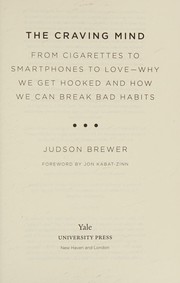
A neuroscientist and addiction psychiatrist explains the brain science of craving and presents mindfulness-based approaches clinically proven to break addiction cycles — a direct, evidence-based complement to the habit frameworks above.
Long-Term Freedom: Staying Smoke-Free for Life
ExpertMaster relapse prevention, build lasting resilience against triggers, and develop the psychological and lifestyle tools to remain smoke-free permanently.
▸ Study plan for this stage
Pace: 8–10 weeks, ~40–50 pages/day (mix of reading and reflection work)
- Habit stacking and identity-based change: how to build new smoke-free habits by anchoring them to existing routines and shifting your self-image from 'smoker' to 'non-smoker'
- The willpower paradox: understanding that willpower is a limited resource that depletes with use, and learning to design your environment to reduce reliance on willpower
- Stress response and the pause: recognizing your automatic stress-to-cigarette response and inserting a conscious pause to interrupt the chain
- Rational Recovery's AVRT framework: using Addictive Voice Recognition Technique to separate your rational self from the addictive voice and make conscious choices
- Trigger mapping and lifestyle redesign: identifying your personal smoking triggers and systematically rebuilding your daily routines to avoid or neutralize them
- Self-compassion over perfectionism: developing resilience by treating slip-ups as data points rather than failures, and maintaining motivation through setbacks
- Long-term identity reinforcement: cementing your non-smoker identity through consistent small wins and reframing how you see yourself in high-risk situations
- How can you use habit stacking to replace smoking with a healthier behavior, and what existing routine could you anchor a new habit to?
- What are your personal willpower drains, and how can you redesign your environment to reduce the need for willpower when facing smoking triggers?
- How does the 'addictive voice' show up in your thinking, and what is your strategy for recognizing and dismissing it using AVRT principles?
- What are your top 3–5 smoking triggers, and what specific lifestyle changes or coping strategies will you use to address each one?
- How will you respond to a slip-up or moment of temptation without spiraling into shame or relapse, and what does self-compassion look like for you?
- How has your identity shifted from 'smoker' to 'non-smoker,' and what daily practices will reinforce this new identity?
- Complete a 2-week habit audit: track all your daily routines and identify 2–3 existing habits you can stack a new smoke-free behavior onto (e.g., after morning coffee, do 5 minutes of breathing exercises)
- Design your 'willpower budget': list your top energy drains and create environmental changes to reduce friction (e.g., remove smoking triggers from your home, change your commute route, adjust your social schedule)
- Create a 'trigger map': write down 5–10 situations where you feel the urge to smoke, rate their intensity, and develop a specific coping strategy for each (breathing, movement, social support, etc.)
- Practice AVRT voice recognition: for one week, journal every time you hear the 'addictive voice' tempting you to smoke—what does it say, when does it appear, and how will you respond rationally?
- Build a 30-day identity reinforcement plan: identify 3 small daily actions that reinforce your non-smoker identity (e.g., 'I choose health,' 'I move my body,' 'I breathe freely'), and track them on a calendar
- Develop a relapse response protocol: write down exactly what you will do if you slip (who you'll call, what you'll tell yourself, how you'll restart), so you have a plan before temptation strikes
Next up: This stage equips you with the psychological frameworks and daily practices to sustain long-term freedom, setting the foundation for the next stage—whether that involves deepening your understanding of social/environmental factors, exploring the neuroscience of addiction, or building a comprehensive life redesign that extends beyond smoking cessation to overall wellness and resilience.
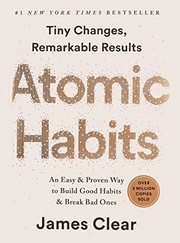
Takes the habit science from earlier stages and turns it into a precise, actionable system for building smoke-free identity and environment design — essential for making long-term abstinence feel effortless rather than willpower-dependent.
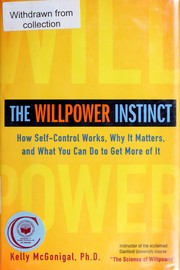
Based on a Stanford course, this book explains the science of self-control and why willpower alone fails — teaching the reader how to manage stress, temptation, and relapse risk with sustainable psychological strategies.
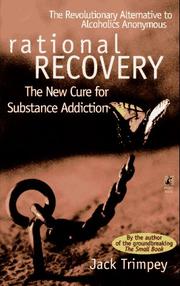
Presents the AVRT (Addictive Voice Recognition Technique) method, a powerful advanced framework for permanently separating your rational self from addictive urges — the ideal capstone for cementing a lifelong smoke-free identity.
Discussion
Keep reading
Paths that share books, cover the same subject, or open a related topic.