The Best Books on Making Wine at Home
This curriculum takes a complete beginner from their very first batch of home wine all the way to confident, repeatable winemaking with refined technique and scientific understanding. Each stage builds on the last — starting with simple, encouraging guides, moving through process mastery and fruit variety, and finishing with the chemistry and craft that separates good wine from great wine.
Foundations: Your First Batch
BeginnerUnderstand the basic winemaking process end-to-end, learn essential vocabulary (must, yeast, fermentation, racking, sulfites), and successfully complete a first batch of wine at home without being overwhelmed.
▸ Study plan for this stage
Pace: 4–5 weeks, ~20–25 pages/day, with 1–2 days per week for hands-on practice and observation
- The complete winemaking cycle: crushing, fermentation, racking, aging, and bottling
- Role of yeast in fermentation and how to manage temperature and conditions for successful fermentation
- Understanding must: composition, sugar levels (Brix), and how to adjust it before fermentation begins
- Sulfites as a preservative and antimicrobial agent: when and how to use them safely
- Racking technique: why it's essential for clarity and how to perform it without oxidation
- Sanitation and hygiene protocols to prevent spoilage and contamination throughout the process
- Reading and interpreting basic winemaking measurements: specific gravity, pH, and alcohol content
- What are the main stages of home winemaking, and what happens during each one?
- Why is yeast selection and temperature control critical to fermentation, and what can go wrong if neglected?
- What is must, and what measurements or adjustments should you make to it before fermentation?
- When and why do you use sulfites in winemaking, and what safety precautions apply?
- What is racking, why is it necessary, and how do you perform it correctly?
- How do you maintain sanitation throughout the winemaking process, and what equipment must be sanitized?
- What signs indicate that your fermentation is progressing normally, and what problems might you encounter?
- Prepare and sanitize all equipment before starting your first batch; document the process and checklist for future reference
- Crush fruit (or prepare juice) and measure the must: record Brix, pH, and initial specific gravity; calculate target alcohol content
- Pitch yeast into your must under controlled temperature conditions; maintain a fermentation log with daily temperature and visual observations
- Perform your first racking after primary fermentation; practice the siphoning technique without oxidizing the wine
- Taste and smell your wine at each stage (crushing, mid-fermentation, post-racking); note changes in flavor and aroma
- Research and source sulfites appropriate for your batch; practice measuring and adding them safely according to Iverson's guidelines
Next up: This stage equips you with hands-on mastery of the complete winemaking cycle and confidence in core techniques, preparing you to explore refinements in varietal selection, advanced fermentation control, and troubleshooting in subsequent stages.
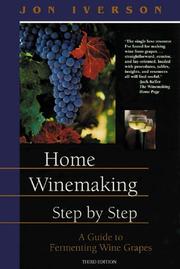
A concise, highly practical guide that walks through each stage of the process with clear checklists — perfect for reinforcing what Garey introduces and giving the beginner a reliable reference during their first batches.
Building Confidence: Grapes, Fruit & Process
BeginnerExpand beyond a single recipe to understand how different fruits and grape varieties behave, how to troubleshoot common problems, and how to develop a repeatable, consistent process.
▸ Study plan for this stage
Pace: 8–10 weeks, ~25–30 pages/day, with 1–2 weeks between chapters for hands-on experimentation
- Wild fermentation principles and how natural yeasts differ from commercial strains
- Fruit and flower chemistry: sugar content, acidity, tannins, and how they affect fermentation outcomes
- Troubleshooting fermentation problems: stuck ferments, off-flavors, clarity issues, and infection prevention
- Recipe adaptation: scaling recipes, substituting fruits, and adjusting ingredients based on fruit characteristics
- Sanitation and contamination control as the foundation for consistent, repeatable batches
- Mead-making fundamentals: honey selection, water quality, and nutrient balance for different styles
- Sensory evaluation and tasting notes to develop palate awareness and identify fermentation stages
- What are the key differences between wild fermentation and commercial yeast fermentation, and when would you choose each?
- How do sugar content, acidity, and tannin levels in different fruits affect fermentation speed and final flavor profile?
- What are the most common fermentation problems (stuck ferments, off-flavors, cloudiness) and what specific steps would you take to prevent or fix each?
- How would you adapt a recipe from the book for a fruit variety you have on hand that differs from the original recipe?
- What sanitation practices are non-negotiable for preventing contamination and ensuring batch-to-batch consistency?
- How do you evaluate whether a ferment is progressing normally, and what signs indicate you need to intervene?
- Make at least 2 wild ferments from the book using different fruit bases (e.g., one berry, one stone fruit or flower) and document fermentation activity daily for 4 weeks
- Conduct a side-by-side taste test of a wild ferment and a commercial-yeast ferment of the same fruit to identify flavor differences
- Deliberately create a small batch with a common problem (e.g., high sulfite, low acid, or contamination risk) and practice troubleshooting steps
- Adapt one recipe from the book by substituting a fruit you have access to; calculate adjusted sugar and acid levels and document your reasoning
- Set up a sanitation protocol checklist and apply it consistently across 3 batches, noting any correlation with clarity and off-flavors
- Taste and evaluate 3 ferments at different stages (early, mid, late) and write tasting notes describing aroma, flavor, clarity, and fermentation signs
Next up: This stage equips you with the troubleshooting skills and adaptability to work confidently with variable wild ingredients, preparing you to move into refinement stages where you'll learn advanced techniques like aging, blending, and optimizing flavor profiles for specific styles.

Opens up the world of fruit and foraged ingredient wines, teaching the learner how to adapt the core process to wildly different sugar and acid profiles — building real flexibility and intuition.
Going Deeper: Mastering the Craft
IntermediateUnderstand the 'why' behind each winemaking decision — yeast selection, nutrient additions, sulfite management, oak treatment, and blending — so that the winemaker can make deliberate, informed choices rather than just following recipes.
▸ Study plan for this stage
Pace: 8–10 weeks, ~40–50 pages/day (mix of dense technical sections and reference material; allow 2–3 days per major topic for review and note-taking)
- Yeast physiology and strain selection: how different yeast types (wine yeasts, wild yeasts, hybrid strains) affect fermentation speed, flavor profile, alcohol tolerance, and temperature requirements
- Nutrient management and fermentation health: nitrogen sources, vitamin additions, timing of nutrient additions, and how to diagnose and prevent stuck fermentations
- Sulfite chemistry and SO₂ management: free vs. bound sulfites, molecular vs. ionized forms, pH-dependent effectiveness, and strategic timing for protection without over-sulfiting
- Oak treatment and wood aging: oak species (French, American, Hungarian), toast levels, barrel vs. chips vs. staves, extraction rates, and sensory impact on wine structure and flavor
- Blending as a deliberate craft: how to evaluate component wines, balance acidity/tannin/alcohol, use blending trials, and make decisions based on desired final profile rather than accident
- Decision-making frameworks: how to read fermentation data (gravity, temperature, pH, titratable acidity), troubleshoot problems mid-fermentation, and adjust protocols based on vintage variation and fruit characteristics
- Acid and pH management: understanding the relationship between titratable acidity and pH, when and how to adjust, and how these parameters influence yeast performance and wine stability
- Why would you choose a specific yeast strain for a particular fruit and fermentation goal, and what fermentation conditions (temperature, aeration, nutrient timing) does that strain require?
- How do free and bound sulfites differ, and why is pH critical to understanding SO₂ effectiveness and the amount needed at different winemaking stages?
- What diagnostic tests and measurements (gravity, pH, titratable acidity, temperature) tell you whether a fermentation is healthy or stuck, and what corrective actions can you take?
- How does oak species, toast level, and contact time affect wine flavor and structure, and how do you decide between barrel aging, chips, or staves for a given wine?
- What is the purpose of blending trials, and how do you use them to make deliberate decisions about final wine composition rather than blending by intuition?
- How do you adjust acid or pH before, during, or after fermentation, and what are the trade-offs of each approach?
- Create a yeast selection matrix for three different fruit types (e.g., Chardonnay, Pinot Noir, fruit wine): list 2–3 yeast strains per fruit, note their fermentation temperature range, alcohol tolerance, flavor contribution, and nutrient requirements; justify your choices based on desired outcome
- Conduct a sulfite calculation exercise: given a wine at a specific pH (e.g., 3.2, 3.6, 4.0) with a target free SO₂ level, calculate the amount of K₂S₂O₅ or sodium bisulfite needed; repeat for different pH values to internalize the pH-SO₂ relationship
- Design a fermentation monitoring plan: outline the measurements you would take daily (gravity, temperature, pH, titratable acidity), the frequency, and the decision thresholds at which you would intervene (e.g., 'if gravity drops below 1.010 and temperature is below 60°F, I will warm the must')
- Perform a blending trial with 3–5 small batches of wine (or juice at different stages): create a blending matrix, mix samples in different ratios (e.g., 70/30, 60/40, 50/50), taste and evaluate, and document which blend best achieves your target profile for acidity, tannin, and flavor balance
- Research and compare oak options for a wine you plan to make: identify French, American, and Hungarian oak sources; note toast levels, price, and expected flavor impact; write a 1–2 page justification for your choice based on your wine's profile and budget
- Troubleshoot a stuck fermentation scenario: given a case study (real or hypothetical) with fermentation data, diagnose the problem (temperature, nutrient deficiency, pH stress, etc.) and propose a step-by-step recovery plan with expected timeline
Next up: This stage transforms the reader from recipe-follower to decision-maker by grounding each technique in chemistry and physiology; the next stage will likely focus on advanced problem-solving, vintage-specific adaptation, and scaling or refining production to achieve consistent, intentional results across multiple vintages.

Organized as a Q&A reference, this book directly addresses the real problems and decisions intermediate winemakers face, making it ideal for someone who now has experience but needs expert answers to specific questions.
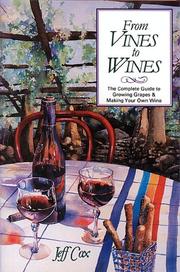
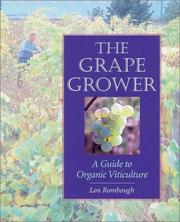
Takes a vineyard-to-bottle perspective, teaching how grape growing decisions upstream affect the wine in the glass — essential context for understanding quality and for sourcing better fruit.

A thorough, methodical treatment of the full winemaking process including blending and finishing techniques, giving the intermediate maker the depth needed to move from good to consistently great wine.
Advanced Mastery: Science & Sensory Refinement
ExpertUnderstand the underlying chemistry and microbiology of fermentation, develop a trained palate for evaluating and correcting wine, and apply professional winemaking principles at the home scale.
▸ Study plan for this stage
Pace: 8–10 weeks, ~40–50 pages/day (mix of technical reading and note-taking). Allocate 5–6 weeks for Pambianchi, then 3–4 weeks for Goode, with 1–2 weeks for integration and experimentation.
- Fermentation chemistry: yeast metabolism, alcohol production, and the role of temperature, pH, and nutrient availability in controlling fermentation kinetics
- Microbiology of winemaking: wild yeast, bacteria (especially acetic acid and lactic acid bacteria), spoilage organisms, and strategies for sanitation and inoculation control
- Sensory evaluation framework: systematic tasting methodology, identifying off-flavors and faults, and correlating chemical composition with sensory perception
- Wine faults and corrections: oxidation, volatile acidity, stuck fermentation, malolactic fermentation management, and remedial techniques at home scale
- Analytical testing and monitoring: measuring specific gravity, titratable acidity, volatile acidity, SO₂ levels, and using data to guide winemaking decisions
- Terroir and variability: how soil, climate, vintage, and winemaking choices interact to shape wine chemistry and flavor expression
- Professional principles adapted for home production: scaling, consistency, risk management, and quality benchmarking without industrial equipment
- Explain the biochemical pathway of alcoholic fermentation and how yeast metabolism changes under different temperature and nutrient conditions.
- What are the main microbial spoilage risks in home winemaking, and what sanitation and inoculation strategies does Pambianchi recommend to prevent them?
- Describe a systematic approach to sensory evaluation of wine, including how to identify and distinguish between common faults (e.g., oxidation vs. volatile acidity).
- What analytical measurements should a home winemaker monitor during fermentation, and what do the results tell you about fermentation health and wine chemistry?
- How does Goode explain the relationship between wine chemistry (phenolics, esters, tannins) and sensory perception, and what does this reveal about wine quality?
- What are the causes and remedies for stuck fermentation, and how do Pambianchi's techniques differ from industrial approaches?
- Conduct a detailed fermentation trial: produce two small batches (1–2 gallons each) of the same wine under different temperature regimes, measure specific gravity and pH daily, and document how fermentation kinetics differ. Compare sensory profiles at completion.
- Perform a sanitation audit of your winemaking space and equipment: document current practices, identify gaps using Pambianchi's sanitation protocols, and implement improvements. Test effectiveness by inoculating a sterile must with a known yeast strain and monitoring for contamination.
- Build a sensory evaluation protocol: taste 5–8 commercial wines (or your own past batches) using Goode's framework, identify specific flavor compounds and faults, and correlate findings with available chemical data (alcohol, acidity, SO₂ if known).
- Perform analytical testing on an active fermentation: measure specific gravity, titratable acidity, and volatile acidity at 3–4 points during fermentation. Plot results and interpret what they reveal about yeast health and fermentation progress.
- Conduct a malolactic fermentation experiment: inoculate one batch with ML bacteria and leave a control uninoculated. Monitor pH, titratable acidity, and sensory changes over 4–6 weeks. Document how ML alters wine chemistry and flavor.
- Create a wine fault library: obtain or produce samples exhibiting oxidation, volatile acidity, and stuck fermentation (or use commercial faulty wines). Taste systematically, describe sensory markers, and research the underlying chemistry using Goode's explanations.
Next up: This stage equips you with the scientific literacy and sensory discipline to diagnose and solve winemaking problems at the chemical level, preparing you to scale these principles to larger production volumes or specialized wine styles in the next stage.
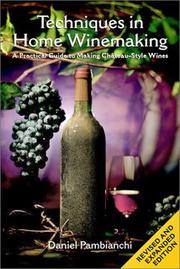
The most technically rigorous home winemaking book available — covers malolactic fermentation, cold stabilization, fining, filtration, and oak chemistry in precise detail. Best read after solid hands-on experience.
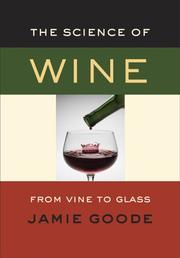
Bridges sensory science, chemistry, and winemaking philosophy in an accessible way, giving the advanced home winemaker the conceptual framework to understand what is happening in the glass and why — the final piece of a deep education.
Discussion
Keep reading
Paths that share books, cover the same subject, or open a related topic.