The Best Books on Prepping and Disaster Preparedness
This curriculum takes a complete beginner from "I don't know where to start" to a confident, well-rounded prepper with solid food, water, medical, and emergency-planning skills. Each stage builds directly on the last — starting with mindset and basic planning, moving into practical skills and stockpiling, and finishing with advanced self-reliance and long-term resilience for the whole family.
Foundations: Mindset & First Plans
BeginnerUnderstand the prepping mindset, assess your family's real risks, and build your first 72-hour emergency plan with basic food and water supplies.
▸ Study plan for this stage
Pace: 4–5 weeks, ~25–30 pages/day (approximately 10–12 hours/week)
- The prepping mindset: shifting from reactive to proactive thinking about emergencies and self-reliance
- Risk assessment framework: identifying your family's specific vulnerabilities based on geography, health, and lifestyle
- The 72-hour emergency plan as the foundation: why three days is the critical starting point before expanding preparedness
- Water storage and purification: calculating household needs, safe storage methods, and rotation schedules
- Emergency food storage principles: shelf-stable foods, caloric needs, rotation systems (FIFO), and avoiding common mistakes
- Building a basic emergency kit: essential items for immediate response before supply chains stabilize
- Family communication and coordination: ensuring all household members understand the plan and their roles
- Psychological preparedness: managing fear and overwhelm to take consistent, incremental action
- What is the prepping mindset, and how does it differ from doomsday thinking or panic buying?
- How do you conduct a realistic risk assessment for your household, and what are the key risks you've identified for your family?
- Why is the 72-hour emergency plan considered foundational, and what are the three main categories it should address?
- How much water should a family of four store for a 72-hour emergency, and what are the safest storage and rotation methods?
- What are the principles of emergency food storage (shelf life, caloric density, rotation), and how do you avoid common pitfalls like buying foods your family won't eat?
- What items should be in a basic 72-hour emergency kit, and how do you customize it for your family's specific needs?
- Complete a household risk assessment worksheet: list your top 5 likely emergencies (weather, job loss, medical, utility failure, supply chain disruption) and rate their probability and impact for your area and family situation
- Calculate your family's water needs: determine daily consumption (drinking, cooking, hygiene), multiply by 3 days, and identify storage locations; purchase and store your first batch of water
- Create a 72-hour emergency food inventory: select 10–15 shelf-stable foods your family actually enjoys, calculate total calories, and organize them in a designated storage area with rotation labels
- Build a basic emergency kit: assemble a physical kit with first aid supplies, flashlights, batteries, important documents, medications, and communication tools; test each item for functionality
- Draft a family emergency communication plan: establish an out-of-area contact person, write down important phone numbers, and conduct a family meeting to review the plan and assign roles
- Conduct a 72-hour supply audit: walk through your home and identify what you already have (food, water, first aid, tools) and create a shopping list for gaps
Next up: This stage establishes the psychological foundation and immediate survival basics; the next stage will expand these 72-hour fundamentals into longer-term resilience by building specialized skills (first aid, water purification, food preservation) and extended supply systems (3–6 months and beyond).

The single best starting point for beginners — it lays out a clear, week-by-week plan to build preparedness from scratch, covering food, water, shelter, and family communication in plain language.
Read this second to immediately ground the blueprint in practical food and water storage specifics — quantities, rotation, shelf life, and budgeting — before moving to deeper skills.
Core Skills: Water, Food & Medical Readiness
BeginnerMaster hands-on skills for purifying and storing water, building a meaningful food supply, and handling medical emergencies when professional help is unavailable.
▸ Study plan for this stage
Pace: 8–10 weeks, ~40–50 pages/day. Start with "The Survival Medicine Handbook" (weeks 1–5, ~350 pages), then "Dare to Prepare" (weeks 6–10, ~400 pages). Allocate 1–2 days per week for hands-on practice and skill consolidation.
- Medical assessment and triage in off-grid scenarios: recognizing life-threatening conditions, stabilizing patients, and knowing when professional help is truly unavailable
- Wound care, infection prevention, and antibiotic stewardship without modern medical infrastructure
- Water purification methods (boiling, filtration, chemical treatment, distillation) and long-term water storage protocols
- Building a scalable food supply: caloric needs, shelf-stable staples, nutritional balance, and rotation systems
- Emergency medical kit assembly and maintenance: essential medications, supplies, and their practical applications
- Psychological resilience and family preparedness: communication plans, role assignment, and maintaining morale during extended emergencies
- Supply chain thinking: identifying vulnerabilities in your current lifestyle and creating redundancy for critical needs
- What are the key steps in assessing a medical emergency when professional help is unavailable, and how do you prioritize treatment decisions?
- Describe three different water purification methods and explain when you would use each one based on water source and available resources.
- How would you build a one-year food supply for a family of four, accounting for caloric needs, nutritional variety, and storage constraints?
- What medications and supplies should be in a comprehensive emergency medical kit, and what are the most critical items to prioritize first?
- How do you prevent and recognize infection in wounds treated without modern medical facilities?
- What is a realistic family communication and evacuation plan, and how do you practice it?
- Assemble and organize a complete emergency medical kit based on Alton's recommendations; label and date all items, then create a written inventory with expiration tracking.
- Test at least two water purification methods (boiling and filtering, or chemical treatment) using tap water and document the process, taste, and clarity results.
- Calculate your household's monthly caloric and nutritional needs, then design a 3-month rotating food supply using shelf-stable items; physically acquire and store these items.
- Practice basic wound care on a training dummy or partner (with consent): clean, apply pressure, bandage, and assess for infection signs using Alton's protocols.
- Create a detailed family emergency communication plan including out-of-area contacts, meeting points, and evacuation routes; conduct a full family drill.
- Conduct a 'supply audit' of your home: identify which critical needs (water, food, medicine, fuel) you currently depend on external sources for, then develop a redundancy plan for at least three categories.
Next up: Mastering these foundational skills in medical response, water security, and food self-sufficiency establishes the practical knowledge base needed to advance to shelter, energy independence, and community resilience—the infrastructure layers that protect and sustain your preparedness foundation.
A globally trusted medical reference written for non-professionals; reading it now ensures you can handle injuries and illness — the most urgent crisis scenario for any family.

Complements Werner with a modern, prepper-specific medical focus, covering long-term scenarios where hospitals are unavailable and introducing the concept of a family medical kit.

A comprehensive household preparedness reference covering water storage, food rotation, power outages, and financial preparedness — ties together the practical threads from earlier books.
Going Deeper: Self-Reliance & Sustainable Food
IntermediateMove beyond stockpiling toward producing and preserving your own food, reducing dependence on the grid, and building longer-term resilience.
▸ Study plan for this stage
Pace: 8–10 weeks, ~40–50 pages/day. Start with "The Encyclopedia of Country Living" (4–5 weeks, prioritizing gardening, animal husbandry, and basic food production chapters), then move to "Putting Food By" (3–4 weeks, focusing on preservation methods and seasonal workflows).
- Soil health and garden planning as the foundation for food self-sufficiency
- Seasonal food production cycles and succession planting to extend harvests year-round
- Basic animal husbandry (chickens, goats, bees) for protein and byproducts without requiring large acreage
- Food preservation methods (canning, freezing, drying, fermenting, root cellaring) and when to use each technique
- Water management, composting, and closed-loop systems that reduce external inputs
- Balancing quick-win preservation projects with long-term food storage infrastructure
- Understanding shelf life, rotation, and quality assessment of preserved foods
- What are the key steps to assess your soil and prepare it for productive gardening, and how does soil health directly impact food yields?
- How do you plan a garden layout and succession planting schedule to ensure continuous harvests across seasons rather than feast-or-famine cycles?
- What are the main food preservation methods covered in 'Putting Food By,' and how do you decide which method is best for specific foods and your storage conditions?
- What small-scale animal systems (chickens, bees, goats) can realistically fit into a suburban or rural homestead, and what are the minimum infrastructure and time requirements for each?
- How do you build and maintain a root cellar or cool storage area, and what foods store best in this environment?
- What is the relationship between garden production timing and preservation schedules—how do you avoid bottlenecks when everything ripens at once?
- Plan a full-year garden layout for your climate zone, including crop rotation, succession planting dates, and estimated yields based on Emery's guidelines.
- Start a compost system (hot or cold pile) and track decomposition over 4–6 weeks; document what materials break down fastest and plan how to integrate finished compost into your garden.
- Preserve one seasonal item using three different methods (e.g., freeze, can, and ferment tomatoes or beans) and compare shelf life, taste, texture, and ease of use.
- Research and price out a small animal system (3–4 chickens or a bee hive) for your property: calculate startup costs, ongoing feed/care time, and projected yields of eggs, honey, or meat.
- Build or retrofit a cool storage area (root cellar, basement corner, or insulated box) and test temperature/humidity stability over 2–4 weeks using a thermometer and hygrometer.
- Create a 12-month food preservation calendar: map out what you'll harvest each month, which preservation methods you'll use, and how much of each item you need to preserve to meet your household's annual consumption.
- Conduct a 'preservation marathon' weekend: can, freeze, or ferment a bulk harvest (or farmers market haul) to practice workflow efficiency and identify bottlenecks in your setup.
- Interview or shadow a local gardener, beekeeper, or small farmer about their seasonal rhythms, preservation challenges, and lessons learned; document insights and adapt them to your situation.
Next up: This stage transforms you from a consumer of food into a producer and preserver, establishing the practical skills and systems needed to feed yourself through seasons and disruptions—setting the stage for the next level, which will likely address energy independence, water security, and integrating these food systems into a comprehensive resilience network.
The definitive homesteading reference — gardening, animal husbandry, food preservation, and more. After mastering storage, this book teaches you to replenish your supplies from scratch.
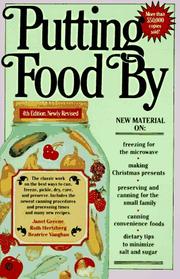
The canonical guide to canning, freezing, drying, and fermenting; read after Emery to master the preservation techniques that make a garden or harvest last through a long crisis.
Advanced Preparedness: Community, Security & Long-Term Survival
ExpertThink strategically about multi-month or multi-year disruptions, community resilience, security, and the psychological dimensions of surviving a serious disaster.
▸ Study plan for this stage
Pace: 8–10 weeks, ~40–50 pages/day (accounting for dense material and reflection time). Allocate roughly 3 weeks per book, with 1 week for integration and planning.
- Long-term societal collapse scenarios and cascading infrastructure failures (EMP, grid-down events) as explored in One Second After
- Critical infrastructure vulnerabilities and the interdependencies that make modern systems fragile, per Lights Out
- Psychological resilience, community cohesion, and leadership during extended disruptions
- Security threats and resource competition in post-collapse environments, including family and neighborhood defense
- Practical multi-month and multi-year supply chains: food, water, medical, fuel, and sanitation systems
- Community-level preparedness: organizing neighbors, establishing mutual aid networks, and building local resilience
- Realistic assessment of personal capabilities and limitations in a prolonged disaster
- Ethical decision-making and governance structures when normal institutions fail
- What are the primary mechanisms of societal collapse depicted in One Second After, and how do cascading failures accelerate the breakdown of order?
- According to Lights Out, which critical infrastructure systems are most vulnerable, and what would be the immediate and long-term consequences of their failure?
- How do psychological factors—such as grief, fear, and loss of identity—affect survival outcomes in extended disasters, and what coping strategies does the literature suggest?
- What security challenges emerge in a post-collapse environment, and how do Bradley's practical recommendations address both defensive and community-based approaches?
- How would you design a realistic 12–24 month supply and sustainability plan for your household using Bradley's framework?
- What role does community organization play in surviving long-term disruptions, and what are the barriers to building effective neighborhood networks before a crisis?
- Read One Second After and create a detailed timeline of societal breakdown from Day 1 to Month 12, noting which systems fail first and which dependencies cascade—then compare your predictions to the novel's narrative.
- After Lights Out, map your local critical infrastructure (power grid substations, water treatment plants, fuel distribution, hospitals, communication hubs) and identify which 3 are most critical to your survival; research their vulnerabilities.
- Conduct a 72-hour 'no-grid' simulation with your household: no electricity, no running water, no external supply chains. Document what you lack and what you learn about your actual preparedness gaps.
- Using Bradley's Handbook, build a detailed 12-month supply inventory for your household (food, water, medications, fuel, sanitation) including storage location, rotation schedule, and cost; identify the top 3 gaps.
- Organize a neighborhood meeting (or plan one) to discuss disaster preparedness; identify 3–5 neighbors willing to form a mutual-aid network and draft a simple cooperation agreement covering communication, resource sharing, and basic security.
- Write a personal security plan for your home and family that addresses realistic threats in a prolonged disruption (theft, violence, civil unrest) without relying on police; include defensive measures, communication protocols, and ethical boundaries.
- Create a 'community resilience audit' of your neighborhood: identify essential skills present (medical, mechanical, agricultural, leadership), critical gaps, and a plan to build relationships with key people before crisis.
- Develop a 'decision-making framework' for ethical dilemmas in a collapse scenario (e.g., sharing resources with strangers, enforcing community rules, rationing medical supplies); reflect on how your values would guide hard choices.
Next up: This stage equips you with a realistic, systems-level understanding of how societies unravel and how to think strategically about multi-year survival—preparing you to move into the next stage, which likely focuses on specialized skills, advanced technical preparedness, or regional/geopolitical scenarios that build on this foundation.

This gripping novel of societal collapse after an EMP event is widely used in preparedness communities to stress-test your plans against realistic long-term scenarios and expose gaps you hadn't considered.
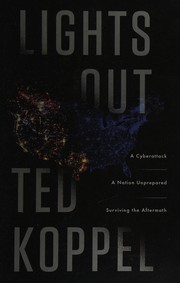
A serious, well-researched non-fiction account of America's grid vulnerability; reading it after the novel grounds the fiction in real policy and infrastructure risk, sharpening your threat assessment.

Written by a NASA engineer, this advanced handbook synthesizes everything — risk analysis, security, communications, and family protocols — into a rigorous, systems-level preparedness plan to cap the curriculum.
Discussion
Keep reading
Paths that share books, cover the same subject, or open a related topic.