Thru-hiking a long trail is less an athletic feat than a logistical and psychological one. Most people who quit do so not because their legs fail but because their planning, their pack weight, or their morale does. A good reading order mirrors the journey itself: inspiration to commit, then logistics to plan, then the ultralight and mental skills that actually get people to the terminus.
Read the memoirs to know what you are signing up for, then the manuals to survive it.
Get inspired and know the reality
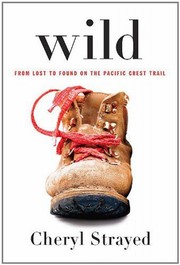
Start with A Walk in the Woods, the funny, honest account of an Appalachian Trail attempt that captures both the romance and the misery, and Wild, the raw memoir of a Pacific Crest Trail hike that shows how a trail can remake a person. Add Thru-hiking will break your heart for an unvarnished, deeply personal look at what months on trail actually feel like. Together they set realistic expectations, which matters more than any gear list.
Plan the logistics
With eyes open, plan the trip. Awol on the Appalachian Trail pairs a compelling narrative with genuinely useful logistical insight, and Appalachian Trials focuses squarely on the mental preparation and motivation research shows to be decisive. For trail-specific reference, The Long Trail covers America's oldest long-distance path in depth. This is where a dream becomes a plan.
Go light and stay healthy
Pack weight and body care decide finishes. The Pacific Crest Trail hiker's handbook is a foundational text on the ultralight philosophy that transformed long-distance hiking, and Ultralight backpackin' tips and Lighten Up! distill practical ways to shed pounds without sacrificing safety. Because ruined feet end more hikes than anything else, Fixing Your Feet is the essential reference on preventing and treating the blisters and injuries that force people off trail. Master these and you have removed the most common reasons hikers quit.
Read in this order and a thru-hike shifts from a fantasy to a plan you can execute. Follow the full path from first inspiration to standing at the northern terminus.
Follow the full reading path →
Ready to learn something deeply?
Build a reading path — free