Prepping has an unfortunate reputation, earned by the corner of it obsessed with gear and doomsday scenarios. Sensible preparedness is quieter and far more useful: it is about being ready for the outages, storms, and disruptions that actually happen. A good reading order reflects that, starting with the genuine fundamentals — food, water, medical care — before anything exotic.
One honesty rail: the medical books here help you cope when professional care is delayed or unavailable, but they complement trained medical help, they do not replace it. Prepare, and also know when to get to a real clinician.
Start with the fundamentals
Begin with The Prepper's Blueprint, a well-organized, level-headed roadmap that prioritizes preparedness in sensible layers rather than fear. Pair it with Handbook to practical disaster preparedness for the family, which keeps the focus on realistic household readiness for the emergencies most families will actually face. Together they set a calm, practical foundation.
Food, water, and medical care
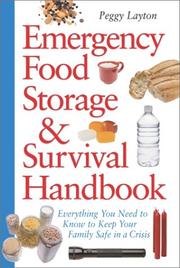
The three pillars of any real plan get dedicated books. Emergency Food Storage & Survival Handbook covers building and rotating a food supply that will actually be there when you need it. For care when help is delayed, When There Is No Doctor is the classic field guide to handling medical needs with limited resources, and The survival medicine handbook extends that to austere situations — again, as a bridge to professional care, not a substitute. These are the essentials that matter far more than any gadget.
Deeper self-reliance and perspective
To go further, Dare to Prepare is a comprehensive reference across the full range of preparedness topics, and The encyclopedia of country living is the beloved doorstop on producing and preserving your own food and running a self-reliant household. Putting Food By (Plume) is the trusted manual on canning, freezing, and preserving safely. For perspective, the novel One second after dramatizes a grid-down scenario in a way that clarifies priorities, and Lights out, a journalist's investigation of grid vulnerability, grounds the concern in sober reporting rather than panic.
Read in this order and preparedness becomes practical peace of mind rather than paranoia. Follow the full path from the fundamentals to genuine, calm self-reliance.
Follow the full reading path →
Ready to learn something deeply?
Build a reading path — free