The Best Books to Learn Fishing, in Order
This curriculum takes a complete beginner from their first cast to confident, species-specific angling across bass, trout, and panfish. Each stage builds on the last — starting with universal gear and technique fundamentals, moving into reading water and fish behavior, then diving into species-specific mastery from the perspectives of expert anglers.
Foundations: Gear, Knots & First Casts
BeginnerUnderstand essential tackle (rods, reels, line, hooks, lures), tie basic knots, and make a competent cast — building the vocabulary and confidence to fish independently for the first time.
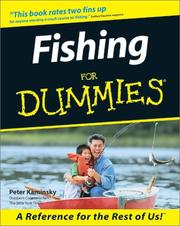
The ideal starting point: covers rods, reels, line, hooks, lures, knots, and casting in plain language, giving beginners a complete and jargon-free overview of the sport before anything else.

After mastering basic spinning gear, this authoritative guide introduces fly tackle and casting fundamentals from one of the most trusted names in angling — essential before tackling trout on the fly.
Reading Water & Understanding Fish
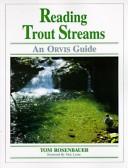
BeginnerLearn to look at a lake, river, or pond and identify where fish hold, feed, and move — understanding how water temperature, structure, current, and season drive fish behavior.
▸ Study plan for this stage
Pace: 4–5 weeks, ~20–25 pages/day, with 2–3 days per week reserved for field observation and water-reading practice
- Water structure and how fish use depth, current, and obstacles to hold and feed
- How water temperature and seasonal changes affect fish location and behavior
- Reading surface features (ripples, seams, boils, eddies) to identify subsurface conditions
- The relationship between light, shade, and fish feeding windows
- How current speed and direction influence where fish position themselves
- Identifying prime holding water: inside bends, behind rocks, under overhanging vegetation, and in pools
- The difference between feeding lies and resting lies
- How to interpret water clarity and color as indicators of fish activity and feeding opportunity
- What surface features indicate the presence of underwater structure or current breaks where fish hold?
- How does water temperature change throughout a season, and where do fish move in response to these changes?
- What are the differences between a fish's resting lie and its feeding lie, and when does it move between them?
- How do you use light and shadow to predict where fish will feed at different times of day?
- What does water color and clarity tell you about fish behavior and feeding activity?
- How does current speed affect fish positioning, and where do you look for fish in fast versus slow water?
- Spend 1–2 hours at a local river, lake, or pond with binoculars and a notebook; sketch the water surface, mark visible structure, and note where you see fish or signs of activity
- Practice identifying at least 5 different surface features (seams, boils, eddies, ripples, slicks) in moving water and predict what lies beneath each
- On three separate visits to the same water, record water temperature, light conditions, and observed fish behavior; look for patterns across different times of day and weather
- Draw detailed maps of a 100-yard section of river or shoreline, marking holding water, feeding zones, current direction, and structure; compare your predictions with actual fish location if possible
- Visit the same water body in two different seasons (e.g., spring and summer, or summer and fall) and document how fish location changes with temperature and daylight
- Create a personal reference guide with photos or sketches of water types you encounter locally (fast current, slow pools, weedy shallows, rocky structure) and annotate where fish are likely to hold in each
Next up: This stage equips you with the foundational skill of seeing water as fish see it—setting the stage for the next phase, where you'll learn specific techniques to present your fly or lure to the fish you've now learned to locate.
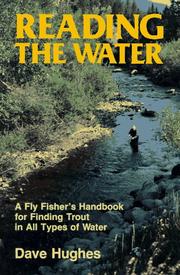
Hughes teaches anglers to decode rivers and streams — identifying seams, eddies, riffles, and pools — building the water-reading intuition that underpins all successful fishing, especially for trout.
Targeting Bass: Tactics from the Experts
IntermediateApply tackle knowledge and water-reading skills to specifically pursue largemouth and smallmouth bass, mastering lure selection, presentation, and seasonal patterns used by tournament-level anglers.
▸ Study plan for this stage
Pace: 4–5 weeks, ~25–30 pages/day with 2–3 days per week for field practice and tackle setup
- Largemouth vs. smallmouth bass behavior, habitat preferences, and seasonal movement patterns across different water types (lakes, rivers, reservoirs)
- Lure selection matrix: matching crankbaits, soft plastics, topwater, and jigs to water clarity, temperature, depth, and seasonal conditions
- Presentation techniques including casting accuracy, retrieve speeds, depth control, and how to read cover (vegetation, structure, current breaks) to locate bass
- Seasonal patterns and water temperature thresholds that trigger feeding behavior, spawning, and migration in both largemouth and smallmouth species
- Tournament-level tactics: how to systematically work a water body, eliminate unproductive areas, and maximize catch efficiency under competitive pressure
- Tackle rigging fundamentals: line selection, rod/reel matching, and knot strength as they directly impact lure action and hook-set success
- What are the key behavioral and habitat differences between largemouth and smallmouth bass, and how do these differences influence where and how you fish for each species?
- How do water temperature and seasonal changes affect bass location and feeding patterns, and what lure types are most effective during each season?
- Given a specific water body (lake, river, or reservoir), water clarity, and current conditions, how would you select and present a lure to maximize your chances of hooking bass?
- What does a systematic tournament-style approach to bass fishing look like, and how do expert anglers eliminate water and narrow down productive zones?
- How do tackle choices (rod action, line weight, lure weight) directly impact your ability to execute specific presentations and maintain control during the fight?
- What are the common mistakes intermediate anglers make when targeting bass, and how do expert tactics address these errors?
- Create a seasonal bass fishing calendar for your local water body (or a water body you plan to fish), noting water temperature ranges, expected bass locations, and 3–4 recommended lures for each season based on Weiss's guidance
- Conduct a tackle audit: organize your current bass lures by type (crankbait, soft plastic, topwater, jig) and water clarity/depth suitability; identify gaps and plan one targeted tackle purchase
- Practice casting accuracy drills on land or in a pool: set up targets at 20, 30, and 40 feet and aim for 8 out of 10 accurate casts; this builds the precision needed for tournament-level fishing
- Visit a local bass water and perform a systematic pre-fishing scout: identify 5–7 likely bass-holding structures (weed lines, drop-offs, downed trees, current breaks), sketch them on a map, and note water clarity and temperature
- Tie or inspect 10 bass rigs (crankbait, Texas rig soft plastic, jig setup) and verify knot strength by hand-testing; ensure each is tournament-ready with no weak points
- Fish a half-day session targeting one species (largemouth or smallmouth) using only one lure type; document water conditions, time of day, depth, and structure type for each fish caught to identify patterns
Next up: This stage equips you with the expert knowledge and tactical framework to consistently locate and catch largemouth and smallmouth bass under varied conditions, setting the foundation for advanced topics such as reading electronics, refining presentations in tournament settings, or exploring specialized techniques for trophy-sized bass.

A comprehensive month-by-month guide to bass behavior and tactics across all seasons, reinforcing water-reading skills with practical, field-tested strategies for every situation a bass angler will encounter.
Targeting Trout: Streams, Hatches & Flies
IntermediatePursue wild trout with confidence — matching hatches, selecting flies or lures, wading safely, and presenting a bait or fly drag-free in moving water.
▸ Study plan for this stage
Pace: 6–8 weeks, ~40–50 pages/day (alternating between Brooks and Schwiebert; expect slower pace for technical fly identification sections)
- Stream anatomy and trout behavior in different water types (pools, runs, riffles, pocket water)
- Aquatic insect life cycles and seasonal hatch patterns — recognizing mayflies, caddisflies, and stoneflies in the field
- Hatch matching principles: selecting flies by size, color, and silhouette to imitate natural insects
- Fly and lure selection strategies based on water conditions, time of year, and observed insect activity
- Safe wading technique, reading current, and positioning to avoid spooking trout
- Drag-free presentation and mend techniques to achieve natural drift in moving water
- Practical fly-tying basics and understanding how fly design relates to insect imitation
- What are the key differences between pool, run, and riffle habitats, and where are trout most likely to hold in each?
- How do you identify a mayfly hatch in progress, and what fly characteristics should you match to the naturals?
- Explain the relationship between water temperature, season, and hatch timing — why does this matter for fly selection?
- What is drag, why do trout reject dragging flies, and what mending techniques can you use to achieve a drag-free drift?
- Describe a safe wading approach: how do you read current, position yourself, and avoid disturbing trout?
- Given a specific stream condition (e.g., low clear water, high turbid water), what fly size, color, and presentation would you choose and why?
- Visit a local stream and spend 30 minutes observing water structure — identify pools, runs, riffles, and pocket water; note where you see trout rising or feeding
- Collect and identify three aquatic insects from a stream (mayfly nymph, caddisfly larva, stonefly nymph); sketch them and note their size and color for hatch-matching reference
- Practice tying three essential trout flies (e.g., Adams dry fly, Pheasant Tail nymph, Elk Hair Caddis) and understand how each design imitates its target insect
- During a hatch, observe naturals on the water and in the air; net or photograph specimens, then select and fish three different fly patterns to test which matches best
- Practice mending techniques on a stream: make 10 casts with deliberate upstream and downstream mends, observing how each affects drift and trout response
- Wade through a section of stream while focusing on foot placement, current reading, and approach angles; film yourself or have a partner critique your technique for safety and stealth
Next up: Mastering hatch matching and drag-free presentation on streams builds the foundation for advanced techniques like nymphing, indicator fishing, and adapting to selective trout in challenging conditions — preparing you to pursue trophy fish and solve complex feeding problems.
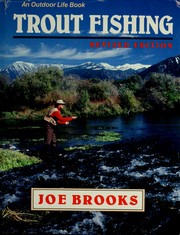
A classic, comprehensive trout bible by a legendary angler covering spinning, bait, and fly methods across streams and lakes — the perfect bridge between general skills and trout-specific expertise.

The foundational text on aquatic entomology for anglers — understanding which insects trout are feeding on and how to imitate them is the single biggest leap an intermediate trout angler can make.
Panfish Mastery & Lifelong Angling Wisdom
ExpertRound out your angling skills by mastering bluegill, crappie, and perch — often overlooked but deeply rewarding — and absorb the philosophy and observational wisdom of a lifetime on the water.
▸ Study plan for this stage
Pace: 4–5 weeks, ~40–50 pages/day with reflection pauses
- The meditative and philosophical dimensions of fly fishing as a spiritual practice
- How close observation of water, weather, and fish behavior develops intuition and wisdom
- The relationship between technical skill mastery and deeper understanding of nature
- Fly fishing as a lens for examining family bonds, mortality, and the passage of time
- The importance of rhythm, grace, and patience in both casting and life
- How personal discipline in angling translates to character and resilience
- Reading water and understanding fish ecology through lived experience rather than theory alone
- The role of storytelling and reflection in consolidating angling wisdom
- How does Maclean use fly fishing as a metaphor for understanding life's larger patterns and inevitability?
- What specific observational techniques does the narrator employ to 'read' the river, and how do these apply to panfish waters?
- How does the relationship between the narrator and his brother Paul illustrate different approaches to angling philosophy and risk?
- What does Maclean suggest about the connection between technical precision in casting and spiritual or emotional growth?
- How can the wisdom about patience, timing, and acceptance in the novella inform your approach to panfish fishing?
- What role does the narrator's reflection on mortality and loss play in shaping his understanding of angling as a lifelong practice?
- Read the novella in 4–5 sittings, pausing after each section to journal about how Maclean's observations apply to your own water
- Practice 'reading' a local panfish pond or stream for 2–3 hours without fishing, documenting water conditions, insect activity, and fish behavior patterns
- Perform slow, deliberate fly casting practice focusing on rhythm and grace rather than distance; reflect on how Maclean's description of casting mirrors this experience
- Write a personal angling narrative (500–1000 words) about a memorable fishing experience that taught you something about patience, failure, or acceptance
- Study the novella's descriptions of specific fishing techniques and water conditions, then apply them to bluegill, crappie, or perch habitats you know
- Conduct a multi-generational or mentorship fishing outing, reflecting afterward on how knowledge, values, and wisdom are transmitted through angling
Next up: This stage establishes angling as a lifelong philosophical practice rooted in observation and self-knowledge, preparing you to deepen your mastery of specific panfish species by understanding the contemplative mindset and ecological awareness that separates accomplished anglers from novices.
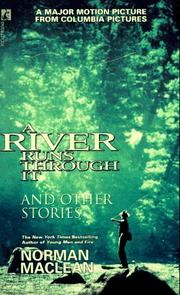
The perfect capstone: Maclean's masterpiece weaves fly fishing into a meditation on observation, patience, and reading nature — the deeper philosophy that transforms a skilled angler into a complete one.
Discussion
Keep reading
Paths that share books, cover the same subject, or open a related topic.