The Best Books to Learn Falconry
Falconry is one of humanity's oldest partnerships with a wild animal, demanding patience, deep observational skill, and a lifetime of learning. This curriculum begins with the foundational philosophy and vocabulary of the craft, moves through hands-on apprenticeship and hawk management, and finally reaches the advanced art of hunting, field craft, and the broader cultural heritage of falconry — building each layer of knowledge on the last.
Foundations: The World of Falconry
BeginnerUnderstand what falconry is, its history, its culture, and the mindset required before ever touching a bird. Build essential vocabulary and a realistic picture of the apprentice's path.
▸ Study plan for this stage
Pace: 4–5 weeks, ~25–30 pages/day. Start with "A Falconry Manual" (2–3 weeks), then transition to "My Side of the Mountain" (2–3 weeks) for narrative reinforcement.
- The biological and behavioral fundamentals of raptors: anatomy, hunting instincts, and species differences (hawk vs. falcon distinctions)
- The apprentice-bird relationship as a partnership based on trust, patience, and respect rather than dominance
- Historical and cultural context of falconry: its evolution from medieval sport to modern conservation practice
- Essential vocabulary: manning, imprinting, eyass, haggard, cere, jesses, bells, and the falconer's mindset
- The realistic timeline and commitment required: falconry as a multi-year apprenticeship demanding daily care and discipline
- Practical equipment, housing, and legal/ethical frameworks governing modern falconry practice
- The psychological preparation needed: understanding your own motivations and capacity for long-term responsibility before acquiring a bird
- What are the key biological and behavioral differences between hawks and falcons, and why do these differences matter for a beginning falconer?
- Describe the process of 'manning' a bird and explain why patience and consistency are critical to this process.
- What does the apprentice-bird relationship look like in practice, and how does it differ from simply owning a pet?
- What historical and cultural factors shaped falconry into the practice it is today, and how do those traditions influence modern falconry?
- What are the legal, ethical, and practical requirements for becoming a falconer, and what does the apprenticeship timeline realistically look like?
- How does Sam Gribley's experience with Frightful in 'My Side of the Mountain' illustrate both the rewards and challenges of the falconer-bird bond?
- Create a detailed glossary of 20+ falconry terms from 'A Falconry Manual,' with definitions and context for how each applies to daily practice.
- Draw or find anatomical diagrams of a raptor and label key features (cere, talons, wings, tail) discussed in Beebe's manual; annotate how each feature relates to hunting behavior.
- Write a 2–3 page reflection: 'Am I ready to be a falconer?' addressing your motivations, available time, financial capacity, and emotional resilience based on what you've learned.
- Create a timeline comparing the historical evolution of falconry (medieval to modern) with a personal timeline of your own commitment to the sport—where do you see yourself in 1, 3, and 5 years?
- Annotate key passages from both books that illustrate the patience required in manning a bird; write brief notes on what each passage reveals about the falconer's mindset.
- Design a hypothetical 'first-year apprenticeship plan' including equipment needs, housing setup, daily time commitment, and legal/licensing steps based on information from both texts.
Next up: This stage establishes the foundational knowledge, vocabulary, and psychological readiness required to move into hands-on training—the next stage will focus on practical acquisition, housing, and the actual mechanics of training your first bird.
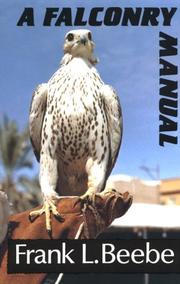
A clear, authoritative introduction to the principles and practice of falconry, widely used as a first text. It establishes core vocabulary — equipment, terminology, and the logic of the hawk-human relationship — before any hands-on detail.

Though written as fiction, this beloved classic captures the spirit and emotional reality of bonding with a wild raptor and living by its rhythms — an ideal motivational primer that builds intuition for what falconry feels like from the inside.
Apprenticeship: Equipment, Manning, and Basic Training
BeginnerLearn the practical mechanics of starting with a hawk: acquiring equipment, manning (taming) a bird, weight management, and the step-by-step training process used by apprentice falconers.
▸ Study plan for this stage
Pace: 8–10 weeks, ~20–25 pages/day, with 2–3 days per week dedicated to note-taking and review of equipment specifications
- Essential falconry equipment (perches, hoods, bells, jesses, leashes, gloves) and their proper construction and function
- The manning process: how to acclimate a wild hawk to human presence through gradual habituation and trust-building
- Weight management and the critical relationship between a hawk's flying weight and its behavior, motivation, and safety
- The step-by-step training sequence: from initial manning through basic obedience, recall training, and free-flight preparation
- Species-specific differences in temperament, size, and training requirements for North American hawks
- Falconry terminology, safety protocols, and ethical responsibilities toward the bird's welfare
- The role of food rewards and operant conditioning in shaping hawk behavior during training
- What are the essential pieces of equipment a beginner falconer needs, and what is the specific function of each?
- Describe the manning process in detail: what does it mean, why is it necessary, and what are the key stages?
- How does a hawk's flying weight relate to its motivation and behavior, and why is weight management critical to safe training?
- What is the typical sequence of training steps from acquiring a hawk to achieving free-flight recall, and what milestones indicate readiness to progress?
- How do different North American hawk species differ in their temperament and training requirements, and which species are recommended for beginners?
- What are the ethical and safety considerations a falconer must understand before beginning to train a hawk?
- Create a detailed equipment checklist based on Beebe's specifications, including materials, dimensions, and suppliers; source or sketch each item
- Write a day-by-day manning log for a hypothetical hawk, documenting the progression from initial contact through perch-sitting and hand-feeding
- Calculate and track a hawk's ideal flying weight range for a specific North American species, using Beebe's weight management guidelines
- Develop a training timeline for a beginner falconer working with a red-tailed hawk, breaking down each training phase with realistic duration estimates
- Compare two North American hawk species (e.g., red-tailed hawk vs. sharp-shinned hawk) in a side-by-side table covering temperament, size, training difficulty, and suitability for beginners
- Practice tying the knots and fastening techniques described in Beebe for jesses, leashes, and perch attachments using cord or leather scraps
Next up: This stage establishes the foundational practical skills and knowledge needed to safely acquire and begin training a hawk; the next stage will build on this equipment mastery and basic training competency to explore advanced hunting techniques, field management, and the nuanced behavioral adjustments required for successful falconry in the wild.
The single most comprehensive English-language falconry manual, covering equipment, housing, training, and health care in exhaustive detail. Read here to translate the foundational concepts from the first stage into actionable practice.
Co-authored with Harold Webster, this landmark reference deepens the apprentice's understanding of North American species, field techniques, and the regulatory landscape — essential reading before pursuing a sponsor or license.
The Hawk's World: Biology, Behavior, and Health
IntermediateDevelop a naturalist's understanding of raptor biology, behavior, and medical care so that the falconer can read their bird, prevent illness, and respond to problems with confidence.
▸ Study plan for this stage
Pace: 8–10 weeks, ~25–30 pages/day, with 2–3 days per week dedicated to observation and hands-on practice
- Raptor anatomy and physiology: skeletal structure, respiratory system, cardiovascular adaptations, and sensory capabilities that define how hawks function
- Nutrition and feeding: species-specific dietary requirements, prey selection, metabolic rates, and how to assess body condition through weight and visual indicators
- Behavioral patterns: hunting techniques, perching behavior, molt cycles, stress signals, and how captive birds differ from wild counterparts
- Health assessment and disease recognition: identifying signs of illness, injury, parasites, and nutritional deficiencies through observation and basic examination
- Preventive medicine and husbandry: environmental conditions, hygiene protocols, quarantine procedures, and management practices that minimize disease risk
- Common medical conditions in captive raptors: respiratory infections, bumblefoot, aspergillosis, trauma injuries, and appropriate first-response care
- Record-keeping and monitoring: documenting weight, feeding behavior, molt progression, and health observations to track trends and catch problems early
- When to seek veterinary help: recognizing emergency situations versus manageable conditions, and understanding the limits of falconer-level care
- What are the key anatomical features of a hawk's skeleton and respiratory system, and how do these adaptations support flight and hunting?
- How do you assess a raptor's body condition and nutritional status, and what are the signs of malnutrition or overfeeding?
- What behavioral changes indicate stress, illness, or injury in a captive hawk, and how do these differ from normal molt or seasonal patterns?
- What are the most common preventable diseases in captive raptors, and what husbandry practices reduce the risk of each?
- How do you perform a basic health examination on a hawk, and what abnormalities should trigger immediate veterinary consultation?
- What environmental conditions (temperature, humidity, perching, light) are essential for maintaining a healthy captive raptor?
- Create a detailed species profile for your target hawk species, documenting normal weight range, molt timeline, dietary preferences, and common health issues from Arent's text
- Develop a daily observation checklist based on Arent's health assessment guidelines; use it to monitor a hawk (or study photos/videos) for 2–3 weeks, recording behavior, appetite, droppings, and feather condition
- Practice body condition scoring by studying the photographs and descriptions in Arent's book; compare your assessments against provided examples until you can score consistently
- Design a preventive health protocol for your hawk: outline quarantine procedures, hygiene routines, environmental parameters, and monitoring schedules based on Arent's recommendations
- Build a medical reference card listing common raptor ailments, their symptoms, and first-aid responses; cross-reference each with relevant sections in Arent's text
- Keep a 4-week health journal for your hawk (or a hawk you observe), recording weight, feeding response, molt progress, behavior, and any anomalies; review weekly for trends
Next up: Mastering the biology, behavior, and health fundamentals in this stage equips you to recognize what is normal for your individual bird, enabling you to move forward into training and handling techniques with the confidence that you can detect and address medical or behavioral problems before they compromise your hawk's welfare or your falconry program.
A practical, veterinary-informed guide to raptor health, nutrition, and husbandry. Placed here to give the intermediate falconer the medical literacy needed to keep birds in peak hunting condition.
The Hunt: Field Craft and Flying Hawks at Quarry
IntermediateMaster the art of actually hunting with a trained hawk — reading terrain, working dogs, choosing quarry, and understanding the flight styles of different raptor species in the field.
▸ Study plan for this stage
Pace: 4–5 weeks, ~25–30 pages/day, with 2–3 days per week dedicated to field observation and practical exercises
- Reading terrain and weather conditions to predict quarry behavior and flight opportunities
- Working cooperatively with hunting dogs (spaniels, pointers) to flush and locate game
- Matching quarry selection to your hawk's species, fitness level, and hunting style
- Understanding the distinct flight styles and hunting strategies of different raptors (hawks vs. falcons)
- Recognizing and managing the physical and behavioral demands of hawks during active hunting
- Assessing wind, cover, and distance to optimize successful flights
- Recovering and handling hawks after kills, and field care during the hunt
- How do you assess terrain and weather conditions to plan a successful hunting flight with your hawk?
- What is the relationship between a hawk's species and the type of quarry it can effectively hunt, and how does Glasier explain this matching process?
- How should you work with hunting dogs to maximize your hawk's chances of a successful flight?
- What are the key differences in flight style and hunting behavior between short-winged hawks and long-winged falcons, and how does this affect field strategy?
- What signs indicate that your hawk is in proper condition for hunting, and when should you avoid flying it?
- How do you recover your hawk after a kill and provide field care during an active hunting day?
- Conduct at least three field observation sessions (2–3 hours each) in varied terrain, noting wind patterns, cover types, and quarry movement without flying your hawk; record observations in a field journal
- Practice reading a topographic map and identifying high-probability hunting zones based on terrain features, vegetation, and water sources relevant to your local quarry
- Work with a hunting dog (or observe a working dog) on at least two outings, noting how the dog's behavior flushes game and creates flight opportunities for your hawk
- Fly your hawk at appropriate quarry in at least three different field conditions (open ground, light cover, mixed terrain) and document what worked and what didn't
- Study Glasier's descriptions of different raptor species' flight styles, then video-record or observe your own hawk in flight and compare its behavior to Glasier's characterizations
- Develop a pre-hunt checklist covering hawk fitness, weather conditions, terrain suitability, and quarry availability; use it before every hunt for 2–3 weeks
Next up: This stage transforms you from a handler into a true field falconer, equipping you with the judgment and practical skills to read landscapes and orchestrate successful hunts—preparing you to advance to specialized topics like advanced flight management, problem-solving in the field, and refining your technique across multiple seasons.
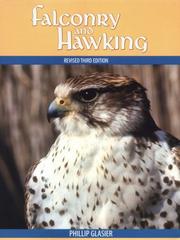
Glasier was one of the 20th century's most experienced falconers, and this book is the definitive English guide to flying all major species at a wide variety of quarry. It bridges training and the hunting field in a way no other single volume does.
Mastery: History, Art, and the Deeper Tradition
ExpertPlace falconry within its 4,000-year global heritage, engage with its classical literature, and develop the philosophical depth that separates a lifelong practitioner from a hobbyist.
▸ Study plan for this stage
Pace: 8–10 weeks, ~40–50 pages/day, with 2–3 days per week reserved for reflection, note-taking, and contextual research
- Frederick II's systematic empiricism: how medieval observation and experimentation challenged Aristotelian dogma and established falconry as a science
- The philosophical divide between falconry as utility, sport, and art—and how this shapes identity as a practitioner
- Global falconry traditions (Middle Eastern, Central Asian, European) and their cross-cultural transmission of knowledge and technique
- The role of falconry in medieval and early modern courts: power, patronage, and the social hierarchy encoded in bird ownership
- Classical falconry literature as a mirror of its era: what texts reveal about human-animal relationships, ethics, and the pursuit of mastery
- The apprenticeship model in falconry: how knowledge is transmitted across generations and why certain practices persist despite changing technology
- Falconry as a discipline that integrates natural history, psychology, ethics, and aesthetics into a coherent worldview
- How does Frederick II's approach to falconry differ from Aristotle's, and what does this reveal about the shift from medieval to early modern thought?
- What is Emma Ford's argument about falconry as an art form, and how does this perspective change the way you understand the practice?
- Trace the global transmission of falconry knowledge: which traditions influenced which, and what does this tell you about medieval cross-cultural exchange?
- What role did falconry play in establishing and maintaining social hierarchies in medieval and early modern courts?
- How do Frederick II and Ford each address the ethical relationship between falconer and bird, and where do they agree or diverge?
- What does the persistence of certain falconry practices across centuries suggest about the nature of mastery and tradition?
- Create a detailed timeline mapping Frederick II's life, reign, and the composition of his falconry treatise alongside major historical events—then annotate it with how contemporary politics may have influenced his scientific approach
- Comparative close-reading: select 3–4 passages from Frederick II on a single topic (e.g., hawk selection, training methods) and analyze his reasoning, evidence, and assumptions; then do the same with Ford's treatment of the same topic
- Research and write a 2,000-word essay on one non-European falconry tradition (Persian, Central Asian, or East Asian) using secondary sources, then compare its philosophy and practice to Frederick II's system
- Construct a 'practitioner's manifesto' (500–800 words) that synthesizes Frederick II's empiricism and Ford's artistic vision into your own statement of what falconry means as a lifelong discipline
- Create an annotated visual diagram showing the social hierarchy of medieval falconry (who flew which birds, in what contexts) based on evidence from both texts, with explanatory notes on what this reveals about power and status
- Keep a reflective journal throughout the stage: after each major section, write 300–500 words on how the historical and philosophical material challenges or deepens your understanding of falconry as a practice
Next up: This stage establishes falconry as a coherent intellectual and cultural tradition with philosophical depth; the next stage will likely move toward either specialized technical mastery (advanced training methods, breeding, or regional variants) or applied practice (designing your own training regimen, engaging with contemporary falconry communities, or contributing to the tradition yourself).

Written by Holy Roman Emperor Frederick II in the 13th century, this is the foundational classical text of Western falconry — a work of genuine scientific observation as well as practical instruction. Reading it at the advanced stage reveals how timeless the core principles truly are.
A modern synthesis that weaves together the practical, artistic, and cultural dimensions of falconry. It serves as a capstone, helping the experienced falconer reflect on the craft as a living tradition and a lifelong pursuit.
Discussion
Keep reading
Paths that share books, cover the same subject, or open a related topic.