Best Books on Dental and Oral Health, in Order
This curriculum takes a complete beginner from the basics of how teeth and gums work, through the science of cavities and gum disease, into evidence-based daily care habits, the powerful mouth-body connection, and finally the contested debates within modern dentistry. Each stage builds the vocabulary and conceptual foundation needed to critically engage with the more nuanced and controversial material that follows.
Foundations: How Your Mouth Works and Why It Breaks Down
BeginnerUnderstand the basic anatomy of teeth and gums, what causes cavities and gum disease, and why conventional dental advice often falls short — building the core vocabulary for everything that follows.
▸ Study plan for this stage
Pace: 4–5 weeks, ~25–30 pages/day. Start with "Kiss Your Dentist Goodbye" (weeks 1–2), then move to "Cure Tooth Decay" (weeks 3–5). Allocate 2–3 days per book section for reflection and note-taking.
- Tooth anatomy: enamel, dentin, pulp, and how each layer functions and deteriorates
- The biofilm model of cavity formation versus the traditional acid-attack model
- Gum disease progression: inflammation, bacterial colonization, and bone loss mechanisms
- The role of diet and pH balance in oral health—why sugar and processed foods damage teeth
- Nutritional deficiencies (especially fat-soluble vitamins A, D, K2, and minerals like calcium and phosphorus) as root causes of tooth decay
- Why conventional dental interventions (fluoride, frequent brushing, flossing alone) are insufficient or counterproductive
- The mouth-body connection: how oral health reflects systemic health and nutritional status
- Remineralization and repair: how teeth can heal through proper diet and oral chemistry management
- What are the three main layers of a tooth, and how does decay progress through each layer?
- According to the books, what is the fundamental difference between the biofilm model and the traditional acid-attack explanation of cavities?
- What specific nutrients does Ramiel Nagel identify as critical for preventing tooth decay, and why are they essential?
- Why does Ellie Phillips argue that conventional dental advice (frequent brushing, fluoride, flossing) often fails to prevent disease?
- What is the relationship between pH balance in the mouth and tooth remineralization?
- How do systemic health conditions and nutritional deficiencies manifest as dental problems?
- Map your own mouth: Draw or label a diagram of a tooth showing enamel, dentin, pulp, and gums. Annotate how each layer is affected by decay.
- pH tracking experiment: Test your saliva pH at different times of day using pH strips. Record what you ate before each test and correlate patterns with the books' pH-balance principles.
- Diet audit: List everything you ate for 3 days, then categorize each item by its likely effect on oral pH and remineralization (using Nagel's nutritional framework).
- Biofilm observation: Examine your teeth with a mirror and magnifying glass before and after brushing. Note where biofilm accumulates and compare your observations to Phillips' descriptions.
- Nutrient inventory: Research and list your current intake of fat-soluble vitamins (A, D, K2) and minerals (calcium, phosphorus, magnesium). Identify gaps and propose dietary sources aligned with Nagel's recommendations.
- Conventional vs. alternative comparison chart: Create a two-column table contrasting the conventional dental approach with the approaches in both books—list claims, evidence, and limitations for each.
Next up: This stage establishes the anatomical and biochemical foundations—understanding *why* teeth decay and *what* actually prevents it—which prepares you to evaluate specific interventions (dietary protocols, oral care techniques, and supplementation strategies) in the next stage.

A highly accessible, jargon-free introduction to why cavities and gum disease happen and how a simple daily routine can prevent them. Perfect first read for building foundational vocabulary around oral bacteria, pH, and enamel.
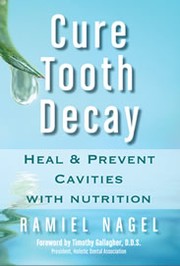
Introduces the nutritional and biological perspective on why teeth decay, drawing on Weston A. Price's research. Reads as a natural second step after Phillips, adding a diet-and-remineralization lens to the picture.
The Science of Cavities, Gum Disease, and Daily Care
BeginnerDevelop a clear, evidence-grounded understanding of the microbiology of dental disease, what daily hygiene practices are actually supported by science, and how to build a sustainable oral care routine.
▸ Study plan for this stage
Pace: 4–5 weeks, ~25–30 pages/day, with 2–3 days per week dedicated to reflection and practice implementation
- The oral microbiome as an ecosystem: how bacterial balance (not elimination) determines dental health
- The connection between systemic nutrition and oral disease prevention, particularly the role of fat-soluble vitamins (A, D, K2) and minerals like calcium and phosphorus
- How refined carbohydrates and processed foods disrupt oral pH and feed pathogenic bacteria
- The limitations of conventional brushing/flossing alone without addressing dietary and nutritional root causes
- Remineralization as a biological process: how teeth can repair early decay through proper mineral availability and pH management
- The inflammatory cascade: how gum disease begins with dysbiosis and progresses through immune response
- Building a sustainable oral care routine that integrates dietary changes, targeted supplementation, and evidence-based hygiene practices
- What is the oral microbiome, and why is bacterial balance more important than bacterial elimination for dental health?
- How do fat-soluble vitamins (A, D, K2) and minerals support tooth structure and prevent decay?
- What is the mechanism by which refined carbohydrates and sugar promote cavity formation and gum disease?
- How does remineralization work, and what conditions must be present for teeth to repair early-stage decay?
- What are the key differences between conventional dental advice and the nutritional approach presented in The Dental Diet?
- How would you design a personal oral care routine that addresses diet, supplementation, and hygiene based on the book's principles?
- Track your current diet for 3–5 days and identify foods/drinks that are high in refined carbohydrates or acidic; note which meals leave your mouth feeling sticky or your teeth sensitive
- Conduct a personal pH experiment: measure your mouth pH at different times of day (using pH strips) and correlate it with meals, snacks, and stress levels
- Audit your current oral care products (toothpaste, mouthwash, floss) against the book's criteria; identify which contain problematic ingredients and research alternatives
- Design a 2-week meal plan incorporating the book's recommended nutrient-dense foods (bone broth, fermented foods, grass-fed dairy, organ meats, etc.) and track any changes in gum health or tooth sensitivity
- Create a written personal oral health protocol that specifies: daily hygiene routine, dietary guidelines, supplementation plan, and frequency of professional care—then commit to testing it for 4 weeks
- Interview or survey 3–5 people about their oral care beliefs and compare their assumptions against the evidence presented in The Dental Diet; reflect on what surprised you
Next up: This stage establishes the foundational understanding of why dental disease occurs at the microbial and nutritional level, preparing you to move into more advanced topics such as specific treatment protocols for existing disease, the role of saliva and pH management, or specialized dietary interventions for different oral health conditions.

A dentist-authored book that explains the biological roots of dental disease through nutrition and jaw development, bridging popular accessibility with clinical science — a strong step up from the first stage.
The Mouth-Body Connection
IntermediateUnderstand the well-documented links between oral health and systemic conditions — including heart disease, diabetes, Alzheimer's, and airway health — and why the mouth cannot be treated in isolation from the rest of the body.
▸ Study plan for this stage
Pace: 8–10 weeks, ~40–50 pages/day (alternating between both books to reinforce connections)
- The oral microbiome as a gateway to systemic health: how bacteria and pathogens from the mouth can enter the bloodstream and trigger inflammation throughout the body
- The inflammatory cascade: how chronic oral infections (periodontal disease, cavities) create persistent low-grade inflammation linked to cardiovascular disease, diabetes complications, and cognitive decline
- Oral dysbiosis and its systemic consequences: how imbalanced oral bacteria disrupt not only local immunity but also gut microbiome health and metabolic function
- Breathing mechanics and oral health interdependence: how mouth breathing (vs. nasal breathing) compromises both airway health and dental development, creating a vicious cycle
- The role of saliva as a protective barrier: understanding how saliva composition, pH, and antimicrobial properties defend against disease and reflect overall health status
- Periodontal disease as a bidirectional risk factor: how it both results from and exacerbates systemic conditions like diabetes and heart disease
- Airway-centered oral health: recognizing that dental crowding, palate development, and tongue posture directly affect sleep quality, oxygenation, and systemic disease risk
- Prevention and reversal through integrated care: evidence-based strategies for optimizing oral health as a cornerstone of whole-body wellness
- How does periodontal disease create a pathway for oral bacteria to enter the bloodstream, and what systemic conditions can result from this bacterial translocation?
- Explain the bidirectional relationship between oral health and diabetes: how does each condition worsen the other?
- What is oral dysbiosis, and how does an imbalanced oral microbiome affect both local and systemic immunity?
- Describe the differences between nasal breathing and mouth breathing, and explain how chronic mouth breathing compromises both airway health and dental development.
- How does saliva function as a first-line defense against oral disease, and what does saliva composition reveal about overall health?
- What is the connection between sleep-disordered breathing, airway anatomy, and oral health outcomes?
- Track your own breathing patterns for one week: note when you breathe through your mouth vs. nose, especially during sleep and stress. Correlate observations with any oral symptoms (dry mouth, gum sensitivity) and sleep quality.
- Conduct a personal oral health audit: assess your gum health (bleeding, recession, pocket depth if possible), tooth wear patterns, and tongue posture. Research how each finding might reflect systemic health risks mentioned in the books.
- Research and document one case study from the books (e.g., a patient with periodontal disease and heart disease) and trace the proposed biological mechanisms step-by-step.
- Practice nasal breathing exercises for 10 minutes daily for two weeks, keeping a journal of changes in sleep quality, daytime energy, and oral symptoms (dry mouth, gum inflammation).
- Create a visual map showing how oral dysbiosis can trigger a cascade of systemic inflammation, including specific pathways to cardiovascular disease, diabetes, and Alzheimer's mentioned in the texts.
- Interview a dentist or periodontist about their approach to screening for systemic disease risk through oral examination, and compare their clinical observations to the frameworks presented in Curatola and Nestor.
Next up: This stage establishes the scientific foundation for understanding that oral health is inseparable from systemic health, preparing you to move into the next stage where you'll learn specific clinical interventions, diagnostic tools, and personalized protocols for preventing and reversing oral-systemic disease.

A periodontist makes the case for the oral microbiome as a gateway to whole-body health, directly connecting gum disease to systemic inflammation. Ideal first read in this stage for its accessible but clinically informed framing.

A landmark, rigorously reported book on how nasal breathing, jaw structure, and airway health affect the entire body. Expands the learner's view of oral health far beyond teeth and gums into sleep, posture, and chronic disease.
Ancestral Perspectives and the Bigger Picture
IntermediateEngage with the foundational ancestral and anthropological research on dental health — understanding how modern diets and lifestyles diverged from conditions under which human teeth thrived.
▸ Study plan for this stage
Pace: 8–10 weeks, ~40–50 pages/day. "Nutrition and Physical Degeneration" (450+ pages) over 5–6 weeks; "Jaws" (350+ pages) over 3–4 weeks. Allow 1–2 weeks for integration and reflection.
- Price's evidence that isolated traditional populations maintained superior dental health through whole-food diets rich in fat-soluble vitamins (A, D, E, K2) and minerals, with minimal tooth decay and perfect jaw development
- The mechanism of dental degeneration: how refined carbohydrates, processed foods, and nutrient deficiencies trigger systemic inflammation, mineral loss, and structural changes in teeth and jaws within a single generation
- Anthropological patterns showing that modern malocclusion, crowding, and airway restriction are recent evolutionary phenomena tied to dietary shifts, not genetic inevitability
- Kahn's airway-centric model: how narrow jaws and dental crowding compromise breathing and sleep quality, creating a cascade of health problems beyond dental aesthetics
- The concept of 'epigenetic expression'—how parental nutrition during pregnancy and childhood determines jaw size and dental development, with implications for intergenerational health
- The distinction between treating symptoms (orthodontics, extractions) versus addressing root causes (nutrition, myofunctional development, airway optimization)
- Modern lifestyle factors (mouth breathing, processed foods, lack of chewing resistance) that perpetuate narrow airways and poor dental development in contemporary populations
- What specific nutrients did Price identify as critical for dental health in traditional populations, and how do modern diets lack these?
- Describe the process of dental degeneration across generations in Price's case studies—what changed first, and what were the consequences?
- How does Kahn's airway hypothesis explain dental crowding and malocclusion as interconnected problems rather than isolated orthodontic issues?
- What is the relationship between jaw size, breathing patterns, and sleep quality according to 'Jaws'?
- How do Price's nutritional findings and Kahn's airway model complement each other in explaining modern dental health decline?
- What evidence do these books present that dental and jaw problems are preventable or reversible through lifestyle and nutritional intervention?
- Create a detailed comparison chart: select 3–4 traditional populations from Price's case studies and document their diet, dental health outcomes, and jaw structure. Then contrast with a modern Western population—identify the specific dietary and lifestyle differences.
- Analyze your own family's dental history across 2–3 generations. Map changes in diet, tooth decay, crowding, or orthodontic needs against Price's degeneration timeline. Write a 2–3 page reflection on what you observe.
- Conduct a 'chewing resistance audit': for one week, track the texture and processing level of foods you eat. Categorize as soft/processed vs. whole/fibrous. Reflect on how this aligns with Kahn's emphasis on functional jaw development.
- Read Price's chapter on fat-soluble vitamins and identify 5–7 nutrient-dense whole foods you could realistically add to your diet. Research their vitamin A, D, K2, and mineral content. Create a simple meal plan incorporating these.
- Watch your own breathing patterns for 3 days: note mouth-breathing vs. nasal breathing, especially during sleep or stress. Connect observations to Kahn's airway model. Document any correlations with sleep quality or daytime alertness.
- Select one case study from Price's book and one airway/dental problem from Kahn's work. Write a 3–4 page synthesis essay explaining how nutritional intervention (Price) and airway optimization (Kahn) would address the same underlying problem.
Next up: This stage establishes the *why* behind modern dental decline and the *what* (nutritional and structural factors); the next stage will move into the *how*—practical protocols for nutritional restoration, myofunctional therapy, and lifestyle redesign to reverse these patterns.

The original and most influential study comparing the dental and physical health of traditional versus modernized populations worldwide. Dense but essential primary source that underpins much of the ancestral health argument referenced throughout this curriculum.

A Stanford biologist and a dentist team up to explain how modern soft diets have shrunk human jaws, crowded teeth, and created an epidemic of airway and orthodontic problems — a compelling, evidence-rich complement to Price's fieldwork.
Dentistry Debates: Controversies, Overtreatment, and the Future
ExpertCritically evaluate contested practices in modern dentistry — including amalgam fillings, fluoride, root canals, overdiagnosis, and the business incentives shaping dental care — so you can make fully informed decisions as a patient.
▸ Study plan for this stage
Pace: 4–5 weeks, ~25–30 pages/day, with 2–3 days per week dedicated to research and reflection exercises
- The biological mechanisms by which mercury from amalgam fillings can leach into the body and accumulate in organs and tissues
- The evidence base (and gaps) supporting the safety of dental amalgam despite decades of regulatory approval
- How financial incentives and institutional inertia in dentistry can perpetuate practices that may not serve patient health optimally
- The distinction between correlation and causation in dental health claims, and how to critically appraise conflicting research
- The role of the immune system and individual susceptibility in responding to chronic low-level dental toxin exposure
- Alternative restorative materials and their trade-offs compared to amalgam (cost, durability, biocompatibility)
- How to evaluate your own dental history and identify which practices or materials may warrant reconsideration
- What are the primary routes by which mercury from amalgam fillings enters the body, and what does the research say about accumulation in specific organs?
- Why has amalgam remained the standard of care in many dental settings despite ongoing safety debates, and what institutional factors support this?
- How does Kulacz distinguish between mercury toxicity in acute poisoning versus chronic low-level exposure from dental restorations?
- What are the key limitations or criticisms of studies claiming amalgam safety, and how do they differ from studies raising concerns?
- What alternative materials does Kulacz recommend, and what are their documented advantages and drawbacks?
- How would you assess whether your own dental work (fillings, root canals, crowns) aligns with current evidence and your personal health priorities?
- Create a personal dental inventory: list all your current fillings, crowns, root canals, and other restorations; note the material (if known), age, and any symptoms you've experienced since placement
- Conduct a literature search on PubMed or Google Scholar for 3–5 recent peer-reviewed studies on amalgam safety and 3–5 on mercury toxicity; summarize the methodology, findings, and potential biases of each
- Interview or survey 2–3 dentists (ideally with different philosophies) about their stance on amalgam, fluoride, and overtreatment; document their reasoning and compare to Kulacz's arguments
- Analyze a dental bill or treatment plan you've received: identify which procedures were recommended, the evidence cited (if any), and whether financial incentives may have influenced the recommendations
- Write a 2–3 page critical summary of one chapter from *The Toxic Tooth*, identifying Kulacz's main claims, the evidence he cites, and any counterarguments or gaps you notice
- Develop a personal decision-making framework for evaluating future dental recommendations, including questions to ask your dentist and criteria for when to seek a second opinion
Next up: By mastering the evidence and arguments around amalgam, mercury toxicity, and financial incentives in dentistry, you'll be equipped to apply the same critical lens to other contested practices—such as fluoride, root canals, and overdiagnosis—in the next stage of the curriculum.

A detailed, heavily referenced examination of the root canal controversy and the focal infection theory, presenting the case that certain dental procedures may have systemic consequences — essential reading for understanding one of dentistry's most heated debates.
Discussion
Keep reading
Paths that share books, cover the same subject, or open a related topic.