Almost nobody reads about eye health until an optometrist says a word they did not expect. That timing is the problem: you arrive at a condition-specific book without knowing what the macula is, what intraocular pressure measures, or why "the lens clouds" has anything to do with going blind. The condition books are written for patients and they do explain the basics, but they explain them in a hurry.
So this path spends its first book on the organ itself and then goes condition by condition. It is short — five books — because the honest ceiling on lay eye literature is fairly low, and the condition guides overlap in their general advice.
One thing to say plainly at the start: these books help you ask better questions in an exam room. They do not substitute for a dilated eye exam. Glaucoma in particular causes irreversible damage before you notice symptoms, and no amount of reading detects it. Get examined on the schedule an optometrist or ophthalmologist recommends for your age and risk profile.
How the eye works
Start with The Eye: A Very Short Introduction. Michael Land was a vision scientist who studied eyes across the animal kingdom, and this short book covers optics, the retina, how the brain builds an image, and how evolution solved the same problem in radically different ways. It is a hundred-odd pages, it is not a patient guide, and it makes every later book easier — after it you know why the macula matters, what the optic nerve does, and where the lens sits.
The three conditions that dominate
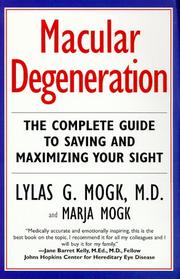
Macular degeneration by Lylas Mogk and Marja Mogk is the standard patient guide to AMD, and unusually good on the part other books skip: living with central vision loss. It covers dry versus wet forms, the nutritional evidence, and low-vision rehabilitation — magnification, lighting, and the practical adaptations that determine quality of life more than any supplement does.
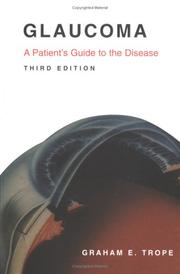
Glaucoma, edited by Graham Trope, is a straightforward explanation of the disease that steals peripheral vision quietly. It covers pressure measurement, visual-field testing, drops, laser, and surgery, with the tone of a clinician explaining options rather than selling one. Because glaucoma is managed rather than cured, understanding why adherence to drops matters is most of the value here.
Cataracts by David Chang is written by a cataract surgeon and is at its best on the decision itself: when surgery is worth doing, how intraocular lens choices trade off distance and near vision, and what recovery actually involves. If you or a parent is weighing lens options, this is the book that makes the conversation with the surgeon productive.
The general-practice overview
The eye care revolution by Robert Abel Jr. is broader — a whole-eye guide covering nutrition, dry eye, screen use, and prevention alongside the major diseases. Read it last and read it critically: it is more enthusiastic about supplements and lifestyle intervention than the clinical guides are, and the evidence for specific nutrients varies a lot by condition. Treat it as a source of questions to bring to a specialist rather than a protocol.
Five books is enough to walk into an appointment knowing what is being measured and why. Follow the full path in order, and if a family history of eye disease is what brought you here, book the exam before you finish reading.
Follow the full ordered path here: The Best Books on Eye Health and Vision to Read First.