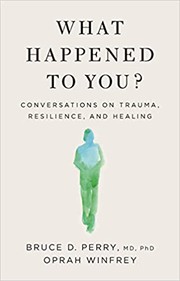
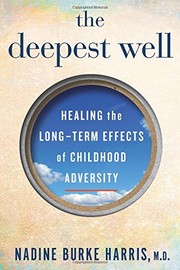
Nervous-system regulation: the best books to calm your body and manage stress
This four-stage curriculum moves from accessible, body-first introductions through the science of the vagus nerve and polyvagal theory, and finally into evidence-informed practices you can apply daily. Each stage builds the vocabulary and conceptual scaffolding needed for the next, so a complete beginner can arrive at the advanced texts feeling prepared rather than overwhelmed. All recommendations complement, and are not a substitute for, professional mental-health support.
Foundations: Body, Brain & Stress Basics
BeginnerUnderstand how the body and brain respond to stress, why the nervous system matters for wellbeing, and build the core vocabulary (fight-or-flight, freeze, window of tolerance) needed for everything that follows.
▸ Study plan for this stage
Pace: 8–10 weeks, ~25–30 pages/day. Start with "Why Zebras Don't Get Ulcers" (weeks 1–4, ~320 pages), then move to "The Body Keeps the Score" (weeks 5–10, ~464 pages). Allow 1–2 days per week for review and exercises.
- The stress response system: how the sympathetic nervous system triggers fight-or-flight and why it evolved (Sapolsky's zebra metaphor)
- Acute vs. chronic stress: why repeated activation of the stress response damages health over time
- The HPA axis (hypothalamic-pituitary-adrenal): the biological pathway that sustains stress hormones like cortisol
- Trauma and the nervous system: how overwhelming experiences get stored in the body and brain, not just memory (van der Kolk's core thesis)
- Window of tolerance: the zone where the nervous system can process information; dysregulation occurs outside this window
- Fight, flight, and freeze responses: the three primary nervous system reactions to threat, and why freeze is often overlooked
- The role of the vagus nerve and parasympathetic activation in recovery and safety
- Why talk therapy alone is insufficient: trauma lives in the body and requires somatic awareness (van der Kolk's challenge to traditional psychiatry)
- Explain Sapolsky's zebra metaphor: why don't zebras get ulcers, and what does this tell us about human chronic stress?
- What is the HPA axis, and how does chronic activation of this system damage physical and mental health?
- Describe the three primary nervous system responses to threat (fight, flight, freeze) and give an example of when each might occur
- What is the window of tolerance, and what happens to the nervous system when we move outside it?
- According to van der Kolk, why is trauma stored in the body, and why is this significant for treatment?
- How does the vagus nerve relate to nervous system regulation, and what role does it play in recovery from stress?
- Create a personal stress timeline: map your own acute and chronic stressors over the past year, and note which ones triggered physical symptoms (headaches, digestive issues, sleep problems). Reflect on how Sapolsky's stress-response model explains these patterns.
- Nervous system self-assessment: over one week, notice and journal moments when you feel in your window of tolerance vs. dysregulated (too activated or too shut down). What triggered the shift? What brought you back?
- Body scan practice: spend 10 minutes daily noticing sensations in your body without judgment. Note areas of tension, numbness, or ease. This builds the somatic awareness van der Kolk emphasizes as foundational.
- Identify your freeze response: reflect on a time you felt overwhelmed and couldn't fight or flee. What did that feel like in your body? How did you eventually recover? Write a 1–2 page reflection.
- Create a nervous system regulation toolkit: list 3–5 activities that reliably move you toward parasympathetic activation (e.g., slow breathing, cold water, movement, social connection). Test each one and note what works for your body.
- Close-read one chapter from each book: select one chapter from Sapolsky (e.g., on the stress response) and one from van der Kolk (e.g., on trauma and the body) and annotate key passages. Write a 1-page synthesis comparing their perspectives.
Next up: This stage establishes the biological grammar of nervous system dysregulation—you now understand *why* the system gets stuck and *what* happens when it does—preparing you to learn specific techniques and practices in the next stage to restore regulation and resilience.
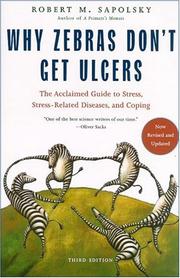
A witty, deeply readable primer on the biology of stress — how it works, why chronic stress harms us, and what that means for the body. Reading this first gives you the physiological 'why' that makes nervous-system regulation feel necessary and logical.
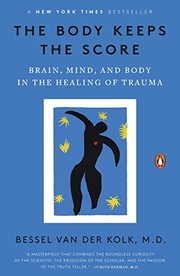
A landmark book showing how stress and trauma are stored in the body, not just the mind. It introduces key concepts like the window of tolerance and sets the stage for understanding why bottom-up, body-based regulation practices work.
The Vagus Nerve & Polyvagal Theory
BeginnerGrasp the core ideas of polyvagal theory — the three-part nervous system hierarchy, neuroception, and the social engagement system — and understand the vagus nerve's central role in safety and regulation.
▸ Study plan for this stage
Pace: 8–10 weeks, ~20–25 pages/day, with 2–3 days per week reserved for reflection and exercises
- The vagus nerve's anatomy and its dual pathways: the ventral vagal system (social engagement, safety) and dorsal vagal system (shutdown, immobilization)
- The three-part nervous system hierarchy in polyvagal theory: social engagement system, sympathetic mobilization, and dorsal vagal immobilization
- Neuroception: the unconscious detection of safety or threat that bypasses conscious awareness and triggers nervous system responses
- The social engagement system: how facial expression, vocalization, and listening are hardwired to signal and perceive safety
- Vagal tone and its relationship to resilience, emotional regulation, and the ability to shift between nervous system states
- How trauma and chronic stress dysregulate the vagus nerve and lock the nervous system in protective states
- Practical vagal exercises and techniques to activate the ventral vagal system and restore regulation
- The therapeutic application of polyvagal theory: using neuroception awareness and vagal activation to support healing
- What are the three branches of the vagus nerve system according to polyvagal theory, and what is the function of each?
- How does neuroception differ from conscious perception, and why is this distinction important for understanding nervous system responses?
- What is the social engagement system, and how do facial expression, vocalization, and listening contribute to it?
- How does vagal tone relate to your capacity for emotional regulation and resilience?
- What are at least three practical techniques to activate the ventral vagal system and signal safety to your nervous system?
- How can understanding polyvagal theory help explain trauma responses and chronic dysregulation?
- What is the relationship between neuroception of safety and the ability to engage socially and regulate emotions?
- Daily vagal toning practice: perform 5–10 minutes of one vagal exercise from Rosenberg's book (e.g., humming, gargling, or neck flexion) each morning, noting any shifts in your state or awareness
- Neuroception journal: for one week, observe and record moments when you felt suddenly safe or unsafe without a clear logical reason; identify what cues your nervous system may have detected
- Social engagement audit: identify three people in your life and describe how their facial expressions, tone of voice, and listening presence affect your nervous system state
- Vagal state mapping: create a personal chart showing your three nervous system states (ventral vagal/safe, sympathetic/mobilized, dorsal vagal/shutdown) with specific bodily sensations, emotions, and behaviors you experience in each
- Polyvagal theory teaching exercise: explain the three-part nervous system hierarchy and neuroception to a friend or family member in your own words, then reflect on what you understood most clearly and what remained unclear
- Vagal activation experiment: practice shifting from a dysregulated state to a regulated one using three different techniques from the books (e.g., humming, slow exhalation, social connection); document which techniques work best for you
Next up: This stage establishes the neurobiological foundation for understanding how the nervous system regulates itself; the next stage will build on this by exploring specific trauma responses, window of tolerance, and how dysregulation manifests in real-world contexts.

A practical, anatomy-grounded introduction to the vagus nerve written for a general audience. Reading it here bridges the stress biology from Stage 1 to the polyvagal framework you'll encounter next.

Porges is the originator of polyvagal theory, and this is his most accessible book — a series of plain-language interviews that explain neuroception, the three neural circuits, and the science of safety without requiring a neuroscience background.

Dana translates Porges's theory into clear maps and language any reader can use. Placed after Porges's own introduction, it deepens understanding and begins connecting theory to real-life regulation strategies.
Evidence-Informed Regulation Practices
IntermediateLearn concrete, research-backed practices — breathwork, movement, mindfulness, and somatic techniques — that directly support nervous-system regulation and can be safely self-applied alongside professional care.
▸ Study plan for this stage
Pace: 8–10 weeks, ~25–30 pages/day. Allocate 3 weeks for "Breath," 2.5 weeks for "Anchored," and 2.5 weeks for "Waking the Tiger," with 1 week for integration and review.
- Breathing mechanics and CO2 tolerance: how nasal breathing, breath pacing, and CO2 adaptation regulate the nervous system (Nestor)
- The vagal brake and polyvagal theory: how the vagus nerve gates social engagement, safety, and arousal states (Dana)
- Vagal tone assessment and anchoring practices: using the Polyvagal-informed ladder to identify your current state and shift toward regulation (Dana)
- Somatic experiencing and trauma completion: how incomplete defensive responses (freeze, fight, flight) stay trapped in the nervous system and how gentle movement releases them (Levine)
- Titration and pendulation: pacing exposure to sensation and alternating between dysregulated and resourced states to prevent overwhelm during healing (Levine)
- The role of body awareness and sensation tracking in nervous-system regulation: moving from top-down (cognitive) to bottom-up (somatic) approaches
- Integration of breath, movement, and mindfulness: combining techniques from all three books into a coherent self-regulation toolkit
- Safety and self-compassion in practice: recognizing when to self-regulate versus when to seek professional support
- How does nasal breathing and CO2 tolerance affect your nervous system, and what are the practical differences between nasal and mouth breathing (Nestor)?
- What is the vagal brake, and how does understanding polyvagal theory help you recognize your own nervous-system states (Dana)?
- How do you use the Polyvagal-informed ladder to identify your current state and choose appropriate regulation practices (Dana)?
- What is somatic experiencing, and how do incomplete defensive responses (freeze, fight, flight) become trapped in the body (Levine)?
- What are titration and pendulation, and why are they essential for safely working with trauma and dysregulation (Levine)?
- How can you integrate breathwork, movement, and body awareness into a personalized nervous-system regulation practice?
- Complete Nestor's breathing experiments: practice nasal breathing for 1 week, then try box breathing (4-4-4-4 count), and journal how each affects your energy, focus, and emotional state.
- Map your own vagal states using Dana's Polyvagal-informed ladder: identify 3–4 moments daily where you notice yourself in ventral (safe), sympathetic (activated), or dorsal (shutdown) states, and record the triggers.
- Practice Dana's anchoring techniques: choose one vagal anchor (a safe person, place, or sensation) and use it daily for 2 weeks; notice how it shifts your baseline state.
- Conduct a body scan with sensation tracking: spend 10 minutes daily noticing where you hold tension, freeze, or activation; don't change it, just observe and record patterns.
- Practice titration with a mild stressor: deliberately expose yourself to a small nervous-system challenge (e.g., cold water on wrists, a brief social interaction), then return to a resourced state; repeat 3–5 times to build tolerance.
- Create a movement sequence inspired by Levine's principles: design a 5–10 minute routine that includes gentle shaking, stretching, or swaying; practice it when you notice freeze or activation, and track how your body responds.
Next up: This stage equips you with concrete, evidence-backed tools to recognize and shift your own nervous-system states; the next stage will deepen your understanding of how to apply these practices in relational contexts—with partners, families, and communities—and how to recognize when professional support is necessary.

A compelling, well-researched exploration of how breathing patterns directly shape nervous-system state. It makes the science of breathwork vivid and immediately actionable, a natural first practice to layer onto polyvagal understanding.

Dana's follow-up is written directly for the general public, offering step-by-step exercises to sense and shift your nervous-system state. It operationalizes everything learned in Stages 1 and 2 into a daily self-regulation toolkit.

Levine's somatic experiencing framework explains how the body naturally completes stress cycles and how to support that process. It adds an important somatic dimension to the breathwork and polyvagal practices already introduced.
Going Deeper: Integration & Resilience
IntermediateSynthesize the science and practices into a sustainable, long-term understanding of nervous-system resilience — including the role of relationships, meaning, and lifestyle — and know when and how to seek professional support.
▸ Study plan for this stage
Pace: 8–10 weeks, ~25–30 pages/day (alternating between both books to build integrated understanding)
- The prefrontal cortex's role in stress appraisal and reframing: how conscious thought can override automatic threat responses
- The stress response cycle and the importance of completing it through physical discharge (Nagoski's central thesis on burnout prevention)
- Neuroplasticity and the brain's capacity to rewire stress pathways through deliberate practice and repetition
- The nervous system's need for safety signals: how relationships, social connection, and secure attachment regulate the autonomic nervous system
- Meaning-making and purpose as protective factors against chronic stress and burnout
- Lifestyle foundations: sleep, movement, nutrition, and play as non-negotiable nervous-system regulators
- Recognizing burnout as a systemic issue (not personal failure) and identifying when professional support is necessary
- Integration: building a personalized, sustainable nervous-system resilience practice that fits your life context
- How does the prefrontal cortex help you reframe stressful situations, and what practices strengthen this capacity according to Greenberg?
- What is the stress response cycle, and why is completing it (rather than suppressing it) essential for preventing burnout?
- How do relationships and social connection regulate your nervous system, and what does secure attachment have to do with stress resilience?
- What are the four dimensions of burnout that Nagoski identifies, and how do they interact to create exhaustion?
- How can you distinguish between normal stress and chronic burnout, and what are the red flags that indicate you need professional support?
- What is your personal nervous-system resilience plan, and how does it integrate sleep, movement, meaning, and relationships into a sustainable practice?
- Stress reframing practice: Identify three recurring stressors from your week. For each, practice Greenberg's cognitive reframing techniques to shift from threat appraisal to challenge appraisal. Track shifts in your nervous-system response (heart rate, tension, mood).
- Stress cycle completion experiment: Notice when you feel activated (anxious, frustrated, or restless). Deliberately complete the stress cycle through 20–30 minutes of vigorous movement, crying, laughing, or social connection. Journal how your body and mind feel before and after.
- Relationship audit: Map your current relationships and identify which ones provide safety signals and co-regulation. Commit to one specific action to deepen a key relationship (weekly call, in-person time, vulnerability conversation).
- Burnout self-assessment: Use Nagoski's burnout framework to honestly assess where you stand across the four dimensions. Identify which dimension is most depleted and design one targeted intervention.
- Meaning and purpose reflection: Write about what gives your life meaning and how your current work/life aligns (or doesn't) with that purpose. Identify one small way to increase alignment this month.
- Nervous-system baseline and reset protocol: Establish your personal nervous-system baseline (resting heart rate, sleep quality, mood stability). Design a 7-day reset protocol using sleep, movement, and social connection, then measure changes.
Next up: This stage equips you with both the neuroscience and the practical tools to sustain nervous-system health long-term; the next stage will likely deepen specialized applications—whether managing specific conditions, optimizing performance, or navigating complex life transitions—building on this foundation of integrated understanding.

A clinician-authored, evidence-based guide that integrates neuroscience, mindfulness, and cognitive strategies into a coherent resilience framework — a satisfying capstone that ties together biology, practice, and psychology.

Nagoski's research-grounded book on completing the stress cycle and preventing burnout is the ideal closing read: it reinforces the physiological concepts from the whole curriculum and grounds them in the realities of modern life, including clear guidance on when professional help is the right next step.
Discussion
Keep reading
Paths that share books, cover the same subject, or open a related topic.