Costume Design: The Best Books, In Order
This curriculum takes an intermediate learner through the full arc of professional costume design: from research methodology and visual development, through historical dress literacy, to the practical craft of building and executing costumes for live performance and camera. Each stage builds directly on the last — you must be able to research before you can render, understand history before you can adapt it, and master design thinking before you can manage a full production build.
Research & Visual Development
IntermediateBuild a rigorous research methodology and learn how to translate visual sources into a coherent design concept.
▸ Study plan for this stage
Pace: 4–5 weeks, ~25–30 pages/day, with 2–3 days per week dedicated to visual research and sketching exercises
- Research methodology: gathering and organizing visual references from primary and secondary sources
- Character analysis through costume: translating script analysis into silhouette, color, and fabric choices
- Visual development process: from mood boards to design sketches to final specifications
- Historical and cultural context: understanding period accuracy and stylistic conventions
- Practical design documentation: creating detailed costume plots, swatches, and construction notes
- Problem-solving in costume design: balancing artistic vision with budget, construction time, and performer needs
- Collaboration: communicating design intent to directors, actors, and construction teams
- What are the key steps in conducting effective costume research, and how do you organize visual references to inform design decisions?
- How do you analyze a character and script to determine appropriate silhouette, color palette, and fabric choices?
- What elements should be included in a comprehensive costume plot, and why is this documentation essential for production?
- How do you translate mood boards and visual inspiration into coherent design sketches?
- What practical constraints (budget, construction time, performer comfort) must you consider when developing designs, and how do you problem-solve within these limitations?
- How do you present and communicate your design concept to a director, and what visual tools are most effective for this collaboration?
- Create a full research folder for a play of your choice: gather 30–50 visual references (paintings, photographs, fashion, film stills) organized by character or theme
- Develop a character costume analysis: write a 1–2 page breakdown for one character that connects script analysis, historical context, and visual choices
- Build a mood board (digital or physical) for a single character that establishes color palette, texture, silhouette, and overall aesthetic
- Sketch 3–5 costume design variations for one character, showing different interpretations of the same role
- Create a costume plot for a 2–3 scene sequence, including character names, quick sketches, color notes, and fabric swatches
- Conduct a fabric and trim research exercise: select 5–8 swatches that match your design concept and write brief notes on why each choice supports the character
- Interview a costume designer (in person or via email) about their research process and document their methodology
- Redesign a costume from a film or play you know well, explaining your research choices and how your version differs from the original
Next up: This stage establishes the research and conceptual foundation that enables you to move into the technical execution phase—understanding *why* you've made design choices prepares you to solve the practical challenges of pattern-making, draping, and construction.
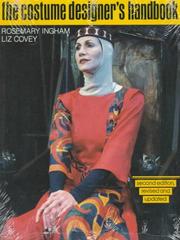
A foundational professional guide that covers the full workflow from script breakdown to research to collaboration — essential vocabulary for everything that follows.
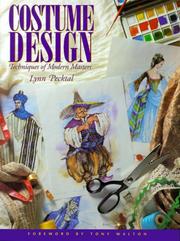
Interviews and working methods from leading Broadway and film designers reveal how professionals conduct and apply research to real productions.
Rendering & Visual Communication
IntermediateDevelop the ability to communicate design ideas through professional-quality costume sketches and renderings.
▸ Study plan for this stage
Pace: 4–5 weeks, ~25–30 pages/day with dedicated sketching practice (2–3 hours daily)
- Figure drawing fundamentals: proportions, anatomy, and posture for fashion illustration
- Head and facial feature rendering techniques specific to fashion design
- Fabric rendering: translating texture, drape, and weight through line and shading
- Garment construction details: seams, closures, hems, and structural elements in illustration
- Color application and media selection (markers, colored pencils, watercolor, digital) for costume sketches
- Presentation techniques: layout, composition, and professional finishing for design portfolios
- Quick sketching and croquis development for rapid design ideation
- Translating 3D garment concepts into 2D visual communication
- How do you construct accurate fashion figure proportions, and why do they differ from anatomical figure drawing?
- What techniques does Hagen recommend for rendering different fabric types (silk, wool, leather, etc.) convincingly on paper?
- How do you effectively communicate garment construction details (seams, closures, hems) in a costume sketch?
- What are the advantages and limitations of different media (markers, colored pencils, watercolor, digital) for costume rendering, and when should each be used?
- How do you compose a professional costume design presentation page that clearly communicates both the overall silhouette and construction details?
- What is the relationship between quick croquis sketching and refined final renderings in the design development process?
- Complete 50+ fashion figure croquis (quick 2–5 minute sketches) to internalize proportions and movement without overthinking
- Render 10–15 garments using different fabric types (silk, denim, leather, knit, etc.) focusing on texture and drape characteristics
- Create 5 full costume design sheets, each showing front/back views, detail close-ups, and fabric swatches with professional layout
- Practice rendering the same garment in 3–4 different media (markers, colored pencils, watercolor, digital) to develop versatility and understand each medium's strengths
- Sketch 20+ head and facial variations with different expressions, angles, and hairstyles relevant to costume design
- Develop a mini-portfolio of 8–10 costume designs for a specific theatrical production or character, demonstrating progression from concept to refined rendering
Next up: This stage equips you with the visual communication skills to present costume concepts professionally, preparing you to move into advanced topics such as historical research integration, 3D digital design tools, or specialized costume construction techniques that build on these rendering foundations.

Teaches the figure, proportion, and rendering techniques that underpin costume illustration — the clearest step-by-step bridge from drawing basics to design-ready sketches.
Historical Dress & Period Research
IntermediateAcquire a working literacy in Western fashion history and understand how to adapt period silhouettes authentically for the stage.
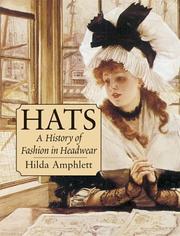
The definitive academic survey of dress from antiquity to the modern era — the essential reference for any period production and the backbone of historical research.
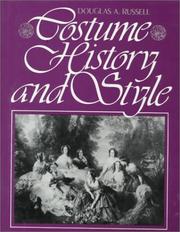
Complements Tortora by focusing on how historical silhouettes translate to theatrical use, bridging pure history with stage application.
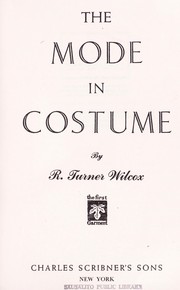
A classic illustrated reference covering centuries of dress with detailed plates — invaluable for quick visual identification of period details during active design work.
Building Costumes for Stage & Screen
ExpertMaster the practical construction skills — patterning, draping, tailoring, and shop management — needed to bring designs from sketch to finished garment.
▸ Study plan for this stage
Pace: 8–10 weeks, ~40–50 pages/day, with 2–3 days per week dedicated to hands-on construction practice
- Pattern drafting and grading techniques for stage costumes, including how to adapt commercial patterns and create custom patterns from measurements
- Draping methods for creating garments directly on the dress form, and when to use draping versus flat patternmaking
- Tailoring fundamentals: interfacing, seaming, pressing, and finishing techniques that ensure durability under stage conditions
- Fabric selection and preparation for costume construction, including shrinkage testing, grain line alignment, and marking methods
- Shop organization, workflow management, and time-budgeting for multi-piece costume builds within production schedules
- Mounting and securing costumes for performance, including attachment methods that allow quick changes and prevent damage
- Problem-solving strategies for fitting challenges, fabric limitations, and last-minute alterations in a production context
- How do you draft a basic bodice pattern from measurements, and what adjustments are necessary for a stage performer versus a street garment?
- When is draping the better choice over flat patternmaking, and what are the key steps in transferring a draped design into a usable pattern?
- What interfacing choices are appropriate for different costume fabrics and performance demands, and how do you apply them correctly?
- How should you organize a costume shop to maximize efficiency when building multiple costumes simultaneously for a production?
- What are the most reliable methods for mounting and securing costumes to performers, and how do you balance durability with quick-change requirements?
- How do you troubleshoot common fitting problems (pulling, gaping, restricted movement) in a costume that's already in construction?
- Draft a basic bodice pattern from your own measurements using the methods in Flecker, then grade it up and down by one size to understand scaling principles
- Drape a simple skirt or bodice on a dress form using muslin, then transfer the draped design into a flat pattern and construct it in fabric to compare results
- Practice interfacing techniques on sample fabric swatches: test different interfacing weights and application methods (fusible vs. sew-in) on fabrics you'll use in costumes
- Create a detailed costume construction timeline for a hypothetical 3-piece ensemble (jacket, shirt, trousers) with realistic labor hours, based on Ingham's shop management guidance
- Construct a complete simple garment (e.g., a basic shirt or A-line skirt) using proper pressing, seaming, and finishing techniques, paying attention to stage durability
- Design and execute a mounting solution for a costume piece that requires a quick change: document your attachment method, test it under movement, and refine it
Next up: This stage equips you with the hands-on technical mastery to execute any design, preparing you to move into advanced topics such as specialty techniques (armor, corsetry, historical accuracy), digital tools for pattern management, and leadership roles in larger production environments.

Bridges design and construction by teaching how garments are structured and supported — critical knowledge before tackling full builds.
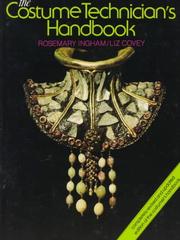
The authoritative manual on costume construction for theatre: patterning, fitting, alteration, and shop workflow — the single most comprehensive build reference in the field.
Shifts the focus to screen-specific demands — camera-conscious fabric choices, continuity, and the unique collaboration between designer and director on film and TV productions.
Discussion
Keep reading
Paths that share books, cover the same subject, or open a related topic.