Ear training is the skill that turns theory on the page into music you can actually hear and produce. Unlike most subjects, you do not read these books so much as work them, a little every day. But the order still matters, because you must hear intervals and simple rhythms before you can take dictation of a full jazz solo. This path structures the practice from foundations to transcription.
Start with a comprehensive method, then add focused drills for rhythm and singing.
The foundation method
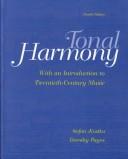
Begin with The Musician's Guide to Aural Skills by Elizabeth West Marvin, a modern, well-sequenced program that pairs listening with singing, and Ear training by Bruce Benward, a long-standing classroom standard for graded dictation. Keep Tonal Harmony by Stefan Kostka on the shelf, because understanding the harmony you are hearing accelerates everything.
Rhythm and sight-singing
Next, build the two skills that support all the rest. Rhythmic Training by Robert Starer drills the rhythmic reading that trips up most students, and for sight-singing work through A new approach to sight singing by Sol Berkowitz, Sight Singing Complete by Maureen Carr, and More Music for Sight Singing by Robert Ottman, progressively harder collections of melodies to sing at sight.
Toward real music
Finally, connect your ears to living repertoire. Harmonic Experience by W. A. Mathieu deepens your sense of how tonality feels from the inside, The chord scale theory & jazz harmony by Barrie Nettles links what you hear to jazz vocabulary, and Transcription in Music by Wes Montgomery points you toward transcribing solos, the ultimate ear-training exercise.
Read, and above all practice, in this order, and your ear will grow steadily rather than plateau. Follow the full path and do a little every day.
Follow the full reading path →
Ready to learn something deeply?
Build a reading path — free