Special-effects makeup is really a chain of physical crafts, sculpting, mold-making, casting, and application, each depending on the one before. Learn them out of order and your prosthetics will not fit or will not read on camera. A good reading order follows the actual workflow and adds the wisdom of the field's legends. As always, books teach process and principles; real skill comes from getting your hands messy, so treat these as the study companion to practice.
Start with a modern all-in-one guide, then go deep on the individual stages.
The modern overview
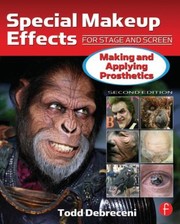
Begin with Special Makeup Effects for Stage and Screen by Todd Debreceni, the current standard that walks the whole process from lifecasting to application in one well-photographed volume. It gives you the map so the specialized books make sense.
Sculpting, molding, casting
Next, build the core physical skills in order. Sculpting for Special Effects by Charlie Johnson teaches the sculpting that every prosthetic starts from, The prop builder's molding & casting handbook by Thurston James covers the mold-making and casting that turn a sculpt into a wearable piece, and The Foam Bible by Lori Wyman addresses foam latex, the classic prosthetic material.
Learn from the legends
Finally, absorb the craft's history and voice. Grande illusions by Tom Savini shows the gore-effects work that defined a genre, and Dick Smith's Do-It-Yourself Monster Make-Up by Dick Smith, from the godfather of the field, remains a beloved primer. Star Wars: The Secrets of the Universe by Marc Sumerak offers a look at effects and creature work at the highest production level for inspiration.
Read in this order, and the workflow will feel logical rather than baffling. Follow the full path, and build test pieces at every stage.
Follow the full reading path →
Ready to learn something deeply?
Build a reading path — free