Makeup artistry is often taught as a bag of tricks, but the artists whose work lasts understand color and light first. A good reading order reflects that: theory of color and form, then technique from the masters, then the practical business of working as an artist. Books teach the eye and the principles, but skill on faces comes from practice, so treat these as the study half of your training.
Start with the science of how color and light behave, then learn how the greats apply it.
The foundations
Begin with The elements of color by Johannes Itten, the classic on color theory that underlies every good palette, and Color and light by James Gurney, which teaches how light shapes form, the exact problem makeup solves. This grounding is what separates artists who understand faces from those who only copy tutorials.
Learn from the masters
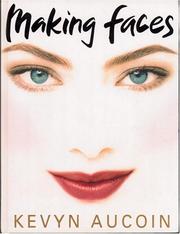
With the theory in mind, study technique. Making faces and Face Forward by Kevyn Aucoin are landmark books that reveal his transformative approach, and The New Art of Makeup, also his, extends the lessons. Bobbi Brown's Makeup Manual offers a clean, professional grounding in everyday and editorial technique, and The makeup artist handbook by Gretchen Davis covers the working knowledge you need across film, TV, and print.
Master and monetize
Finally, deepen and professionalize. Master Classes in Makeup by Martin Evening presents advanced work to study, and The Business of Makeup by Donna Mee covers the side no tutorial mentions, building a career, pricing, and working with clients.
Read in this order, you build artistry on principles rather than imitation. Follow the full path, and practice constantly on real faces, since the book is only half the training.
Follow the full reading path →
Ready to learn something deeply?
Build a reading path — free