Best Cookbooks for Cooking for One, in Order
This curriculum takes a beginner cook from the essential mindset and techniques of solo cooking all the way through confident, joyful, waste-free meal-making for one. Each stage builds on the last: first establishing the solo-cooking philosophy and basic skills, then mastering scaling and smart shopping, and finally unlocking the freezer and the art of cooking meals truly worth making for yourself.
Foundations: The Solo-Cook Mindset
BeginnerUnderstand why cooking for one is different, build basic kitchen confidence, and learn the core philosophy of scaling, portioning, and not wasting food.
▸ Study plan for this stage
Pace: 4–5 weeks, ~25–30 pages/day. Start with "Serve Yourself" (weeks 1–2), then move to relevant sections of "How to Cook Everything" (weeks 3–5).
- Solo cooking is a distinct skill: scaling recipes down, managing ingredient waste, and cooking with intention rather than habit
- The psychology of cooking for one: overcoming the mindset that cooking is only worthwhile for groups, and embracing pleasure in solo meals
- Fundamental techniques and flavor-building: how to make small portions taste vibrant and satisfying using Bittman's flexible, technique-first approach
- Smart portioning and storage: strategies for buying and prepping ingredients so nothing spoils, and understanding how to repurpose leftovers creatively
- Kitchen confidence through simplicity: learning that great solo cooking doesn't require fancy equipment or complex recipes, just clear fundamentals
- Pantry and ingredient strategy: building a personal pantry that supports quick, varied meals without waste
- The joy and economics of cooking alone: understanding both the pleasure and the practical benefits of taking solo cooking seriously
- Why does Yonan argue that cooking for one requires a different mindset than cooking for groups, and what are the main barriers he identifies?
- What are three concrete strategies from 'Serve Yourself' for scaling recipes down without losing flavor or satisfaction?
- How does Bittman's 'How to Cook Everything' approach to technique help a solo cook build confidence and adapt recipes flexibly?
- What does Yonan mean by 'cooking with intention,' and how does this philosophy reduce food waste in a one-person kitchen?
- Name at least four pantry staples or flavor-building ingredients that Yonan or Bittman recommend for solo cooking, and explain why each matters.
- How can a solo cook use Bittman's basic techniques (e.g., sautéing, roasting, braising) to create variety and prevent meal boredom?
- Read Yonan's introduction and first chapter of 'Serve Yourself'; write a one-page reflection on your current barriers to cooking for one (time, motivation, waste concerns, skill gaps).
- Choose one recipe from 'Serve Yourself' that appeals to you and cook it this week, noting how Yonan's portioning and technique advice changes your approach compared to past solo cooking attempts.
- Pick one recipe from a standard cookbook (not these books) and practice scaling it down by half or a third using Bittman's technique-based logic; cook it and evaluate the results.
- Audit your current kitchen pantry against Yonan's and Bittman's recommended staples; identify 3–5 gaps and add one new staple ingredient this week.
- Cook three different meals using only Bittman's basic techniques (sauté, roast, or braise) from 'How to Cook Everything,' varying proteins and vegetables each time to build technique muscle memory.
- Plan a week of solo meals using Yonan's philosophy: choose 2–3 core ingredients that appear in multiple meals to minimize waste, then cook and track what you actually use.
Next up: This stage establishes the mindset and fundamental skills needed to cook solo with confidence and intention; the next stage will deepen technique mastery and introduce strategies for building a personalized cooking repertoire that reflects individual taste and lifestyle.
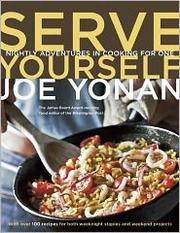
The definitive starting point for solo cooking — Yonan directly addresses the emotional and practical barriers of cooking for one and offers simple, satisfying recipes scaled to a single portion from the ground up.
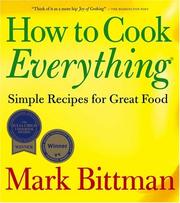
Establishes foundational cooking vocabulary, techniques, and ratios that every solo cook needs before they can confidently scale or adapt any recipe; read selectively for technique chapters.
Smart Shopping & Zero-Waste Cooking
BeginnerLearn to shop in small quantities, use every ingredient across multiple meals, and stop throwing food away — the biggest practical challenge for solo cooks.
▸ Study plan for this stage
Pace: 4-5 weeks, ~25-30 pages/day, with 2-3 days per week dedicated to hands-on cooking practice
- Seasonal cooking as the foundation for efficient small-quantity shopping and ingredient overlap
- Understanding produce seasonality and peak availability to reduce waste and cost
- Building a flexible pantry and flavor base that works across multiple dishes
- Techniques for preserving and extending the life of produce (blanching, fermenting, storing)
- Recipe architecture: how to deconstruct dishes to reuse components across multiple meals
- The 'six seasons' framework: how to cook differently for each season's produce characteristics
- Shopping by season and ingredient availability rather than by fixed recipes
- Flavor combinations and building blocks that allow one ingredient to work in multiple contexts
- What does McFadden mean by 'six seasons' and how does this framework help a solo cook reduce waste?
- How would you plan a week of meals for one person using only 3-4 seasonal vegetables, and what techniques would you use to ensure no waste?
- Describe how a single ingredient (e.g., kale, carrots, tomatoes) can appear in 4+ different dishes across a week, and what flavor profiles or techniques make this possible
- What is the relationship between understanding produce seasonality and making efficient shopping decisions for a solo household?
- How do preservation techniques like fermentation, blanching, or storage methods extend the usability of ingredients you've already purchased?
- What pantry staples and flavor bases does McFadden recommend keeping on hand to maximize flexibility with small quantities of fresh produce?
- Shop for one week using only seasonal produce available at your market; buy 3-4 vegetables max and plan 5-6 meals that reuse each ingredient in different forms (raw, cooked, pickled, etc.)
- Pick one seasonal vegetable and cook it 4 different ways in one week (e.g., roasted, in a soup, fermented, in a grain bowl); document how the flavor and texture change
- Prepare a batch of a flavor base or preserved ingredient from the book (e.g., fermented vegetables, blanched greens, herb oil) and use it across 3+ meals over 2 weeks
- Plan and execute a 'root-to-stem' or 'whole-ingredient' meal where you use every edible part of one produce item (e.g., beet greens in a salad, beet roots roasted, beet stems pickled)
- Create a personal 'seasonal shopping list' for the current season based on McFadden's framework, then track what you actually buy and cook for 2 weeks to identify patterns
- Experiment with one preservation technique from the book (fermentation, blanching and freezing, or proper storage) and compare the shelf life and usability of that ingredient versus buying it fresh each time
Next up: Mastering seasonal ingredient overlap and waste-reduction techniques prepares you to move into meal planning and batch-cooking strategies that maximize the efficiency of your small-quantity shopping.
Teaches the philosophy of cooking through ingredients sequentially and creatively, so nothing goes to waste — essential reading for anyone buying for one and needing to stretch every purchase.

Organizes cooking around seasonal vegetables in ways that naturally suggest small-batch, ingredient-forward meals, helping solo cooks build a weekly rhythm around what's fresh and available.
Scaling Down & Cooking Smart
IntermediateMaster the mechanics of scaling recipes down, adapting standard recipes for one or two, and building a repertoire of genuinely delicious solo meals.
▸ Study plan for this stage
Pace: 4–5 weeks, ~25–30 pages/day, with 2–3 cooking sessions per week
- Mathematical scaling techniques: converting standard recipes (serves 4–6) to single or double servings without compromising flavor or texture
- Ingredient substitution and pantry strategy: building a core set of versatile ingredients that work across multiple recipes to minimize waste
- Cooking methods adapted for small quantities: understanding how heat distribution, cooking times, and equipment change when scaling down
- Flavor concentration and seasoning: how to maintain depth and balance when reducing recipe volumes, including adjusting salt, acid, and aromatics proportionally
- Batch cooking and strategic storage: identifying which dishes scale well for make-ahead meals and proper storage techniques for single-person portions
- Equipment essentials for solo cooking: selecting appropriately-sized tools and cookware that make cooking for one practical and efficient
- Building a personal repertoire: developing a collection of reliable, genuinely enjoyable recipes that you'll actually cook repeatedly
- How do you mathematically scale a recipe that serves 6 down to 2 servings, and what adjustments beyond simple division are necessary for seasonings and leavening agents?
- What are the key principles from Gaffney's approach to building a functional pantry that minimizes food waste while keeping meals interesting?
- How do cooking times and methods change when you're working with smaller quantities, and what equipment does Gaffney recommend for solo cooking?
- How do you maintain flavor depth and balance in a scaled-down recipe, particularly with salt, acid, and aromatic ingredients?
- Which types of dishes are most practical to batch-cook for one person, and how should you store them to maintain quality?
- What does Gaffney identify as the hallmarks of a genuinely delicious solo meal, and how do you build your personal repertoire?
- Select 3 standard recipes from cookbooks that serve 4–6 people. Scale each down to 2 servings using Gaffney's mathematical approach, then cook one and evaluate how well the scaling worked; adjust seasoning and technique notes for future attempts.
- Audit your current pantry and create a 'core ingredients list' based on Gaffney's principles—items that appear across multiple recipes and keep well. Cook 4 different meals using primarily items from this list to test versatility.
- Cook the same recipe (e.g., a soup or braise) in two different pot sizes—one standard and one appropriately scaled for single servings. Document differences in cooking time, heat distribution, and final texture.
- Prepare a batch-cooking session: make 2–3 recipes designed to yield 4–6 portions each, portion them into single servings, and test storage methods (freezer, refrigerator) over 2 weeks. Track which dishes maintain quality best.
- Cook 5 recipes directly from 'Cook for Your Life' over 2 weeks, taking detailed notes on Gaffney's scaling approach, ingredient choices, and technique. Identify which 2–3 become part of your regular rotation.
- Create a 'solo meal repertoire' document: list 10 recipes (at least 5 from Gaffney) that you genuinely enjoy and will cook repeatedly, with your personal scaling notes, pantry requirements, and timing for each.
Next up: Mastering the mechanics of scaling and building a reliable personal repertoire of solo meals establishes the practical foundation needed to explore more specialized cooking approaches—such as seasonal cooking, dietary adaptations, or advanced flavor-building techniques—in the next stage.

Focuses on practical, nourishing meals sized for real life, reinforcing the habit of cooking with intention and care for yourself rather than treating solo meals as an afterthought.
The Freezer as a Tool
IntermediateUse the freezer strategically to batch-cook, preserve ingredients, and always have a great solo meal on hand without waste or repetition fatigue.
▸ Study plan for this stage
Pace: 4–5 weeks, ~40–50 pages/day. Start with "Cook Once, Eat All Week" (2 weeks), then move to "The Complete Cook's Country TV Show Cookbook" (2–3 weeks), focusing on freezer-friendly recipes and batch-cooking sections.
- Strategic batch-cooking: planning and executing one cooking session to yield multiple ready-to-eat meals throughout the week
- Freezer storage best practices: proper containers, labeling, organization, and shelf-life management to prevent waste and maintain quality
- Ingredient preservation techniques: freezing proteins, vegetables, sauces, and prepared components to maximize flexibility and minimize repetition
- Recipe adaptation for freezing: understanding which dishes freeze well, how to modify cooking methods, and reheating strategies
- Solo-portion meal planning: scaling recipes down and creating variety from a single batch-cooking session without monotony
- Cook's Country fundamentals: reliable, tested recipes designed for home cooks that translate well to freezer-friendly meal prep
- Time-blocking and workflow efficiency: organizing your kitchen and cooking process to batch-cook effectively in one session
- How do you plan a week of meals using batch-cooking, and what are the key steps in Cassy Joy Garcia's framework from 'Cook Once, Eat All Week'?
- What are the critical freezer storage practices (containers, labeling, temperature, shelf life) needed to preserve quality and prevent waste?
- Which types of dishes and ingredients freeze well, and which do not? How do you modify recipes for freezing?
- How do you adapt Cook's Country recipes for solo portions and freezer storage without losing flavor or texture?
- What is your workflow for a single batch-cooking session, and how do you organize your kitchen to maximize efficiency?
- How do you create meal variety throughout the week from a single batch-cooking session to avoid repetition fatigue?
- Plan and execute one complete batch-cooking session using a framework from 'Cook Once, Eat All Week': choose 2–3 recipes, prep your workspace, cook, portion, and freeze. Document your process and timing.
- Freeze 5 different prepared components (e.g., cooked grains, proteins, sauces, vegetables) from Cook's Country recipes and test reheating methods over the following week. Note quality changes and optimal reheating techniques.
- Create a freezer inventory system: label and organize 10+ frozen items with contents, date, and reheating instructions. Track what you use and what gets forgotten.
- Adapt 3 recipes from 'The Complete Cook's Country TV Show Cookbook' for freezer storage: identify which steps to modify, test freezing, and document reheating results.
- Cook a Cook's Country recipe designed for 4–6 servings, portion it for solo meals, freeze in 3 different container types, and compare thaw/reheat quality and space efficiency.
- Plan a full week of solo meals using only frozen components from your batch-cooking sessions. Eat from the freezer for 5 consecutive days and evaluate variety, satisfaction, and waste.
Next up: This stage equips you with the systems and confidence to use your freezer as a strategic tool for solo living; the next stage will build on this foundation by introducing advanced techniques like sous-vide, pressure-cooking, and specialized preservation methods to further reduce waste and expand your flavor repertoire.

Introduces the batch-cooking and component-freezing method in a structured, beginner-friendly way — perfect for solo cooks who want variety without cooking from scratch every night.

Provides rigorously tested recipes with explicit make-ahead and freezer storage notes, giving solo cooks a reliable technical reference for what freezes well and how to do it right.
Meals Worth Making for Yourself
ExpertElevate solo cooking into a genuine pleasure — develop the confidence and creativity to cook ambitious, restaurant-quality meals for one, because you are worth the effort.
▸ Study plan for this stage
Pace: 8–10 weeks, ~25–30 pages/day, with 2–3 cooking sessions per week
- Ingredient-driven cooking: selecting the best seasonal, local ingredients and letting them guide the dish rather than forcing ingredients into a predetermined recipe
- Flavor building through technique: understanding how roasting, braising, emulsifying, and other methods develop depth and complexity in simple preparations
- The philosophy of restraint: achieving elegance through simplicity and knowing when to stop rather than over-complicating a dish
- Mise en place and mise en scène: organizing your kitchen and mindset to cook with intention, presence, and pleasure even when cooking alone
- Adaptability and improvisation: using Rodgers' recipes as templates to work with what you have and what's available, rather than rigid formulas
- The restaurant kitchen mindset applied to home cooking: precision, timing, and respect for ingredients scaled to a single plate
- Building a personal flavor vocabulary: understanding how acid, salt, fat, and heat interact to create memorable, craveable dishes
- How does Judy Rodgers approach selecting ingredients, and why does she prioritize ingredient quality over recipe complexity?
- What is the significance of the Zuni Café's roasted chicken, and what cooking principles does it demonstrate that apply to solo cooking?
- How can you apply the concept of mise en place to make cooking for yourself feel more intentional and pleasurable?
- Describe how Rodgers uses acid, salt, fat, and heat to build flavor in a simple dish—give a specific example from the book
- What does Rodgers mean by 'cooking with restraint,' and how does this philosophy change the way you approach plating and seasoning?
- How would you adapt one of Rodgers' recipes for a single serving while maintaining the integrity of the dish?
- Cook Zuni Café's roasted chicken for one (or half a chicken) and document how the technique differs from standard roasting; pay attention to seasoning, timing, and how the bird looks and tastes
- Prepare a simple vegetable dish (e.g., braised greens, roasted root vegetables) using Rodgers' approach: taste as you cook, adjust acid and salt in real time, and notice how the flavor evolves
- Set up a proper mise en place for a single-serving meal—organize your ingredients, tools, and workspace as if you were in a restaurant kitchen; cook the meal and reflect on how this changed your experience
- Cook three different recipes from the book that use the same core technique (e.g., three different braised dishes or three different applications of emulsification) to internalize the method
- Create a seasonal ingredient list for your region and use it to adapt one Zuni recipe—substitute what's available and explain your choices
- Cook a multi-component meal for yourself (e.g., protein, vegetable, sauce) timing each element so everything finishes together; evaluate your pacing and presence in the kitchen
Next up: This stage grounds you in the foundational philosophy and techniques of ingredient-driven, restrained cooking; the next stage will expand your repertoire by introducing you to different cuisines and cooking traditions that share Rodgers' values of simplicity, technique, and respect for ingredients.
Returns to Adler's philosophy but now as a practical recipe collection, rewarding the reader who has built skills across the curriculum with elegant, improvisational cooking that feels like a treat.
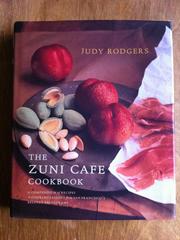
A masterclass in cooking with care and intention — its lessons on seasoning, simplicity, and respecting ingredients inspire solo cooks to treat every meal for themselves as an occasion.
Discussion
Keep reading
Paths that share books, cover the same subject, or open a related topic.